Amateur radio has long been a field rooted in tradition, with voice communication over shortwave and Morse code as the mainstays of the hobby. However, as technology rapidly advances, digital modes have emerged as a vital component of modern ham radio practices. In this article, we explore an engaging personal experience—learning digital radio modes from a seasoned fellow ham—and delve into the intricacies, technologies, and practical aspects of digital modes in amateur radio today.
- Introduction to Digital Modes in Amateur Radio
- Background: The Appeal of Digital Modes
- The Encounter: Learning Digital Modes from a Fellow Ham
- The Setting and Context
- The First Steps: Understanding the Software and Hardware Setup
- Understanding the Sound Card Interface
- Choosing the Right Software
- The Learning Process: From Basic Understanding to Active Operation
- Fundamentals of Digital Modes
- Modulation Techniques in Digital Communication
- Understanding Signal Encoding and Decoding
- Technical Aspects of Digital Modes
- Key Parameters in Digital Mode Operation
- The Role of Signal-to-Noise Ratio (SNR)
- Practical Tips for Getting Started with Digital Modes
- Common Challenges and How to Overcome Them
- The Impact of Digital Modes on Ham Radio Community
- Embracing the Digital Future of Ham Radio
- References and Further Reading
- About the Author
Introduction to Digital Modes in Amateur Radio
Digital modes refer to a variety of communication formats that encode audio or text information into digital signals. These signals are transmitted via radio frequencies and decoded by receiving equipment, allowing hams to exchange messages with clarity, efficiency, and even across vast distances that traditional modes might struggle with. Modern digital techniques include modes such as PSK31, FT8, RTTY, JS8Call, and many others, each suited to specific circumstances and user preferences.
Background: The Appeal of Digital Modes
For many amateur radio enthusiasts, digital modes open up a whole new dimension of possibilities. Unlike voice communication, digital modes can provide:
- Enhanced signal decoding under noisy conditions
- Automated and semi-automated operation
- Text messaging, contesting, and emergency communication capabilities
- Matching modern digital communication habits
This evolution reflects the broader technological shift in communication, making digital modes highly appealing for beginners and seasoned operators alike.
The Encounter: Learning Digital Modes from a Fellow Ham
The Setting and Context
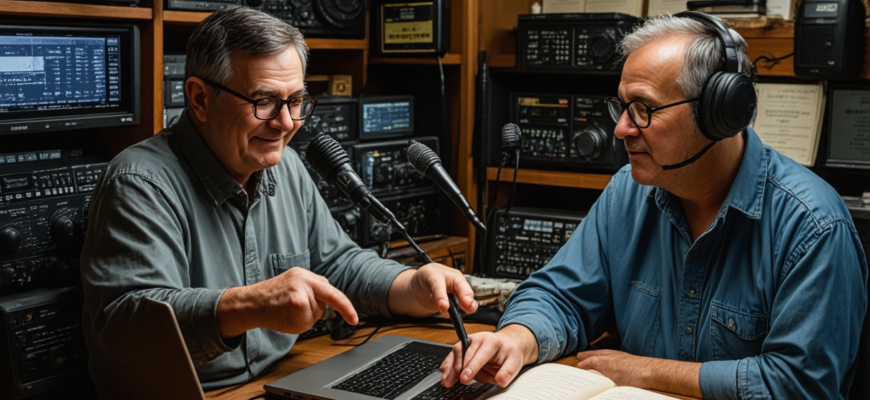
The experience of learning digital modes often begins at a local amateur radio club meeting, radio contest, or casual QSO (conversation). In this particular instance, it took place during a peaceful weekend at a quiet radio shack. The seasoned ham, known to the community simply as Alex, was demonstrating his setup and sharing insights on digital modes.
For the newcomer, this was a revelation. Observing Alex operate using a laptop, an SDR receiver, and specialized software, sparked curiosity about the technical foundations underlying the digital transmission process.
The First Steps: Understanding the Software and Hardware Setup
Alex introduced the basic setup necessary for digital modes:
- Radio Transceiver: Typically a HF, VHF, or UHF radio capable of data modes.
- Computer or Laptop: Running software for digital mode operation.
- Sound Card Interface: Connecting radio audio to the computer, often using a sound card or dedicated interface device.
- Software Suite: Programs like WSJT-X, FLdigi, Ham Radio Deluxe, or JTAlert, tailored for specific digital modes.
Understanding the Sound Card Interface
One critical component is the sound card interface, which acts as a bridge between the radio and computer. It functions by converting radio audio signals into digital data that software can interpret, and vice versa. There are various options—from simple audio cables to sophisticated sound card interfaces like SignaLink or RigExpert.
Choosing the Right Software
Depending on the mode, operators select appropriate software. For example:
- WSJT-X: Popular for weak signal modes like FT8, JT65, WSPR.
- FLdigi: Supports a wide range of modes including PSK31, RTTY, and Olivia.
- Ham Radio Deluxe: Offers a comprehensive suite for digital, CW, and voice modes.
The Learning Process: From Basic Understanding to Active Operation
Alex patiently explained digital modes’ principles, emphasizing key concepts such as modulation, encoding, and decoding processes. His step-by-step method included:
- Installing and configuring the software
- Aligning the sound card interface for clear signal transfer
- Setting up the radio parameters (frequency, mode, power)
- Understanding the digital mode’s specific parameters, like bandwidth, shift, and tone frequency
Fundamentals of Digital Modes
Modulation Techniques in Digital Communication
At the core of digital modes are various modulation techniques that encode data into radio signals. Some of the most common include:
| Mode | Type of Modulation | Common Usage | Key Features |
|---|---|---|---|
| PSK31 | Phase Shift Keying | Keyboard-to-keyboard chat, contests | Low bandwidth, real-time text |
| RTTY | Frequency Shift Keying (FSK) | Data transmission, contesting | Historically significant, reliable under poor conditions |
| FT8 | MFSK Modulation | Weak signal DXing, QSO Automation | Highly sensitive, automated exchanges |
| JS8Call | Packet-based, similar to JS8 | Text messaging and emergency communications | Structured messaging, network topology |
Understanding Signal Encoding and Decoding
At a fundamental level, digital modes encode characters, images, or signals into binary data (1s and 0s), which are then mapped onto RF signals through modulation techniques. The receiver demodulates the signal back into binary data, which software interprets as readable text or commands.
Technical Aspects of Digital Modes
Key Parameters in Digital Mode Operation
- Frequency: Specific operational bands often dedicated to particular modes.
- Bandwidth: The width of the transmitted signal impacts the ability to avoid interference.
- Bit Rate / Baud: Speed of data transfer, affecting the response time and clarity.
- Transmit Power: Usually minimal for digital modes; efficiency is key.
The Role of Signal-to-Noise Ratio (SNR)
The success of digital communication heavily depends on SNR. Modern modes like FT8 are designed to work with SNR as low as -20 dB, allowing messages to be communicated even in extremely noisy conditions. This capability significantly extends ham radio’s reach and effectiveness during challenging propagation events.
Practical Tips for Getting Started with Digital Modes
- Research and Select a Mode: Begin with user-friendly modes like PSK31 or FT8.
- Gather Necessary Hardware: Ensure you have compatible radio and sound card interface.
- Install and Configure Software: Follow official guides and community instructions carefully.
- Find Suitable Frequencies: Use online band plans and monitor activity to identify active spots.
- Practice and Experiment: Engage with local clubs, online forums, and digital mode nets.
Common Challenges and How to Overcome Them
- Audio Quality Issues: Properly set gain levels and check cable connections.
- Software Compatibility: Keep software updated and consult community forums for troubleshooting.
- Propagation and Interference: Switch frequencies or modes based on conditions.
- Licensing and Regulations: Ensure compliance with local regulations regarding digital emissions.
The Impact of Digital Modes on Ham Radio Community
Adoption of digital modes has transformed amateur radio from a purely analog hobby into a modern, tech-savvy pursuit. Digital modes facilitate contact with distant stations, enhance emergency preparedness, and promote international camaraderie through shared digital nets and digital contests. They also serve as excellent learning tools for understanding RF physics, digital signal processing, and computer interfacing.
Embracing the Digital Future of Ham Radio
The experience of learning digital modes from a fellow ham like Alex provides invaluable insight into the technical and practical aspects of modern amateur radio. Digital modes exemplify how traditional radio skills blend with contemporary digital technology, opening new horizons for communication, experimentation, and community engagement.
Whether you are a newcomer eager to expand your station’s capabilities or an experienced operator looking to modernize your approach, embracing digital modes offers numerous benefits. As the amateur radio community continues to evolve, mastering digital communication strategies will become an essential skill — ensuring the tradition persists and thrives in the digital age.
References and Further Reading
- WSPRnet — Weak Signal Propagation Reporter Network
- WSJT-X Official Site
- FLdigi Digital Modem Program
- American Radio Relay League (ARRL) Resources
- Ham Radio Deluxe Software
About the Author
This comprehensive overview aims to provide amateur radio enthusiasts with an immersive understanding of digital modes, inspired by firsthand experiences and expert insights. The journey of mastering digital communication is ongoing, with endless opportunities for experimentation, learning, and community building in the vibrant world of ham radio.
Похожие записи:
 Getting Started with Digital Modes like FT8 and PSK31: A Complete Guide for Amateur Radio Enthusiasts
  Revolutionizing Communications: The Latest Software Updates Enhancing Digital Modes in Amateur Radio
  Mastering Digital Voice Conferences: How to Participate Effectively in the Modern Amateur Radio Era
  Unforgettable QSO with a Celebrity Radio Operator: A Deep Dive into Memorable Ham Radio Experiences
  The Most Unique Antenna I Have Ever Installed: A Deep Dive into Innovative Amateur Radio Solutions
  Top Accessories to Maximize Your Performance in Digital Mode Amateur Radio Operations
  Lessons Learned from a Tough QSL Card Exchange: Enhancing Your Ham Radio Operations
  Emergency Communication Protocols for Ham Radio Operators: The Latest Updates and Best Practices
  Mastering Radio Signal Recording and Analysis: Key Strategies for Improved Ham Radio Performance
  Rugged Radios for Adventurers and Fieldwork: The Ultimate Guide to Reliable Communication
  Mastering Emergency Operations: Essential Tips for Responsible Amateur Radio Communication
  Beginner’s Guide to Operating Portable Ham Radio at Events: Mastering Communication for Event Support
  High-Gain Antennas for Long-Distance Communication: Unlocking Extended Reach in Amateur Radio
  In-Depth Analysis of the Latest Valve and Solid State Amplifiers: Which One Truly Elevates Your Radio Experience?
  Harnessing Your Smartphone as a Radio Control and Logging Device: A Comprehensive Guide for Amateur Radio Enthusiasts
  Integrating Internet-Linked Repeater Systems with Traditional Ham Gear: A Comprehensive Guide