As the leaves turn and autumn approaches, amateur radio operators around the world gear up for one of the most anticipated events of the year – the October Radio Contest Challenge. This contest offers an unparalleled opportunity for radio enthusiasts to test their skills, expand their contacts, and forge new friendships across borders. Whether you are a seasoned veteran or a newcomer eager to make your mark, understanding how to participate and maximize your experience is crucial. This comprehensive guide will walk you through the essentials of registering, preparing, and excelling in the October Radio Contest Challenge.
- What Is the October Radio Contest Challenge?
- Importance of Participation
- When Will the October Radio Contest Challenge Take Place?
- How to Register for the Contest
- Step-by-Step Registration Process
- Important Tips for a Smooth Registration
- Preparing Your Station for the Contest
- Equipment and Antennas
- Operational Tips
- Understanding the Scoring System
- Basic Scoring Rules
- Multipliers and Extra Points
- Total Score Calculation Formula
- Strategies to Maximize Your Score
- 1. Target Rare and New Entities
- 2. Optimize Operating Hours
- 3. Use Contest Logging Software Effectively
- 4. Coordinate with Other Operators
- 5. Post-Contest Analysis
- Legal and Ethical Considerations
- After the Contest: Logging, Submission, and Recognition
- Logging Your Contacts
- Submitting Your Log
- Awards and Recognition
- Additional Resources and Support
- Official Contest Website
- Amateur Radio Clubs and Forums
- Propagation Prediction Tools
- Get Ready — Register Today!
What Is the October Radio Contest Challenge?
The October Radio Contest Challenge is a competitive event held annually in October designed to motivate amateur radio operators to communicate across frequencies, bands, and borders. The contest often spans several days, inviting participants to transmit and log as many valid contacts as possible within specific rules and time frames. Key objectives include fostering international goodwill, enhancing skills, and promoting the hobby of amateur radio.
Importance of Participation
Participating in radio contests yields significant benefits for both individual operators and the amateur radio community at large. The main advantages include:
- Skill Development: Improving operating techniques and understanding propagation conditions.
- Community Building: Connecting with operators worldwide fosters a sense of global camaraderie.
- Recognition: Gaining awards, certificates, and rankings based on performance.
- Operational Experience: Testing and enhancing station capabilities and antenna setups.
When Will the October Radio Contest Challenge Take Place?
The exact dates vary each year depending on the organizing body. Typically, the contest occurs over a 24- to 48-hour period in October. It is essential to consult the official event website or governing amateur radio associations’ calendars to confirm the precise dates. Early registration ensures timely preparation and access to contest materials.
How to Register for the Contest
Step-by-Step Registration Process
Registering for the October Radio Contest Challenge is straightforward if you follow these steps:
- Visit the Official Contest Website: Locate the dedicated webpage hosting contest details and registration forms.
- Create an Account: Fill in personal details such as callsign, location, and contact information.
- Review Contest Rules: Ensure understanding of specific rules, categories, and scoring systems.
- Register for the Event: Submit your registration form, often accompanied by a registration fee (if applicable).
- Receive Confirmation: Wait for confirmation email or registration acknowledgment, which might include your unique operator ID or login credentials.
Important Tips for a Smooth Registration
- Register early to avoid last-minute technical issues.
- Double-check the accuracy of your contact details and station information.
- Read all rules and guidelines carefully to ensure full compliance.
- Prepare your station and equipment in advance to hit the ground running.
Preparing Your Station for the Contest
Equipment and Antennas
Successful participation hinges on having reliable and well-tuned equipment. Essential components include:
- Transceiver: A quality HF/VHF radio capable of operating on contest bands.
- Power Supply: Stable and sufficient power sources for extended operation.
- Antennas: Efficient antennas tailored for the contest bands, such as dipoles, yagis, or verticals.
- Logging Software: Programmed to streamline contact logging and scoring calculation.
Operational Tips
Maximizing your score involves strategic operation:
- Prioritize Band Selection: Focus on bands with the best propagation during the contest period.
- Efficient Logging: Use software that automates exchanges and minimizes errors.
- Time Management: Allocate time for breaks to maintain alertness and accuracy.
- Keep Records: Document all contacts meticulously for verification and analysis.
Understanding the Scoring System
Basic Scoring Rules
The scoring system incentivizes making meaningful contacts with diverse operators and regions. In general:
| Contact Type | Points Awarded |
|---|---|
| Same country station | 1 point |
| Different country station | 2 points |
| Unique band contact | Additional 1-3 points based on rules |
| DX (international) contact | Bonus points depending on the contest class |
Multipliers and Extra Points
Many contests include multipliers to boost overall scores:
- Zones or Countries: Each unique zone or country contributes as a multiplier.
- Contesting Categories: Differently weighted depending on modes (CW, SSB, digital).
Total Score Calculation Formula
The general formula often used is:
Total Score = (Sum of all contact points) x (Number of multipliers)
Strategies to Maximize Your Score
1. Target Rare and New Entities
Contacts with rare stations or new country entities significantly boost your points and standing in rankings. Prioritize calling CQ and responding to calls from sought-after zones.
2. Optimize Operating Hours
Participate during periods of high propagation, often during sunrise and sunset, to increase contact opportunities.
3. Use Contest Logging Software Effectively
Automation reduces errors, speeds up exchanges, and simplifies scoring. Popular options include N1MM Logger and MI9.
4. Coordinate with Other Operators
If participating as part of a multi-op station or club, coordinate to cover different bands and modes efficiently.
5. Post-Contest Analysis
Analyze logs post-event to identify areas for improvement, alternate frequency usage, and opportunities for future contests.
Legal and Ethical Considerations
Participants must adhere strictly to contest rules and amateur radio regulations, including:
- Using only authorized callsigns.
- Avoiding false or misleading information.
- Respecting spectrum etiquette and avoiding interference.
- Verifying contacts if required for final submission.
After the Contest: Logging, Submission, and Recognition
Logging Your Contacts
Accurate logging is critical. Ensure all details such as date, time, frequency, mode, callsigns, and report exchanges are correctly recorded.
Submitting Your Log
Most contests accept electronic logs through dedicated platforms or email submissions. Follow the specific instructions provided by the contest organizers.
Awards and Recognition
Participants can receive certificates, plaques, or rankings published on official websites. Achieving high scores can also qualify you for special awards or licensing recognition within the amateur radio community.
Additional Resources and Support
Official Contest Website
Always refer to the official site for the latest rules, schedule, and updates.
Amateur Radio Clubs and Forums
Joining local or online clubs can provide valuable networking, tips, and equipment discounts.
Propagation Prediction Tools
The October Radio Contest Challenge presents an excellent opportunity for amateur radio operators to showcase their skills, explore new regions, and enjoy the vibrant world of communications. Proper registration, preparation, and strategic operation are key to maximizing success and enjoyment. Whether your goal is to set new personal records, achieve recognition, or simply connect with fellow enthusiasts worldwide, this contest promises a rewarding experience. Be sure to register early, gear up appropriately, and immerse yourself in the spirit of amateur radio innovation and camaraderie. Happy contesting!
Get Ready — Register Today!
Embark on your journey into the October Radio Contest Challenge now by visiting the official contest website, completing the registration process, and beginning your preparations. With the right mindset and tools, you can turn this event into one of the most memorable moments of your amateur radio journey. Good luck and enjoy the thrill of the contest!
Похожие записи:
 Join the Virtual Contest Workshops This Weekend: Your Ultimate Guide for Amateur Radio Enthusiasts
  Announcing the Youth Radio Contest with Exciting Prizes: Inspire the Next Generation of Ham Radio Enthusiasts
  Exciting New Local Contest Series Launching Next Month for Amateur Radio Enthusiasts
  New Contest Rules Published for the Fall QSO Party: What Ham Radio Operators Need to Know
  Exciting News: Complete Results of the Recent SSB Fun Run Announced Exciting Opportunity for Amateur Radio Enthusiasts: Enter the Best Radio Setup Demonstration Contest
 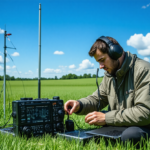 Get Ready for the Upcoming 10 Meter Contest: The Ultimate Guide for Amateur Radio Enthusiasts
 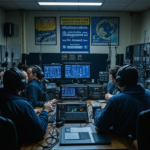 Contest Alert: Multistation Operations Now Allowed in the National Contest Contest Contests: The Best Practices Webinar Coming Soon Exciting Announcement: Major Prize Draw for the Winter Radio Contest Underway New Portable Operation Contest Rules Introduced: An In-Depth Analysis
  New Contest Logging Software Launch Event Scheduled: The Future of Amateur Radio Competition Management
 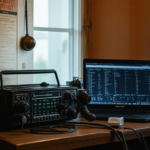 Official Announcement for the International QRP Sprint: Everything You Need to Know
 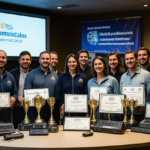 Exclusive Awards and Recognitions for the Annual Digital Communications Contest: Celebrating Excellence in Amateur Radio
  Getting Started with Digital Modes like FT8 and PSK31: A Complete Guide for Amateur Radio Enthusiasts
  Effective Tips for Organizing Successful Ham Radio Contests: A Comprehensive Guide