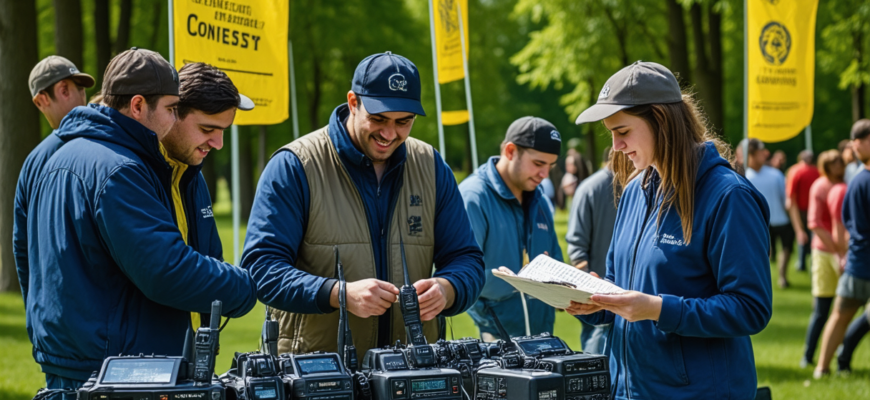
Amateur radio, also known as ham radio, continues to thrive globally thanks to passionate enthusiasts who dedicate their time to communicate, innovate, and participate in competitive events. One of the most exciting developments in the amateur radio community is the upcoming launch of a new local contest series scheduled to begin next month. This initiative promises to energize the local ham community, foster skill development, and promote camaraderie among operators. In this comprehensive article, all aspects of the new contest series will be covered—from its structure and rules to how participants can prepare and maximize their experience. Whether you’re a seasoned operator or just getting started, this guide provides the essential details to make the most of this exciting event.
- Overview of the New Contest Series
- What Is a Radio Contest?
- Objectives of the New Local Contest Series
- Detailed Structure and Rules of the Contest Series
- Frequency Bands and Modes
- Duration and Timing
- Points System and Scoring
- Categories and Trophies
- Technical and Logistical Aspects
- Logging Requirements
- Equipment Recommendations
- Operational Tips for Contest Success
- How to Prepare for the Launch
- Device Check and Calibration
- Learning Contest-specific Software
- Knowledge of Contest Zones and Call Sign Prefixes
- Sample List of Regional Prefixes:
- Community and Networking Opportunities
- Local Clubs and Online Forums
- Post-Contest Activities
- The Importance of Promoting Amateur Radio Through Contests
- Get Ready for the Exciting Challenge!
Overview of the New Contest Series
What Is a Radio Contest?
A radio contest is a competitive event where amateur radio operators attempt to establish as many contacts as possible within a set period, often with specific rules to ensure fairness and challenge. Participants exchange standardized information such as call signs, signal reports, and sometimes additional details like location or equipment used. These contests help operators hone their skills, test equipment, and connect with fellow enthusiasts worldwide.
Objectives of the New Local Contest Series
- Encourage active participation among local amateur radio amateurs.
- Improve operating skills and technical knowledge.
- Foster community engagement and networking.
- Increase awareness of amateur radio activities in the region.
- Provide a platform for friendly competition and fun.
Detailed Structure and Rules of the Contest Series
Frequency Bands and Modes
The contest series will be conducted across multiple amateur radio frequency bands, accommodating a wide range of operators and equipment. The primary bands include:
| Band | Mode | Frequency Range |
|---|---|---|
| HF | Phone, CW, Digital | 3.5 – 28 MHz |
| VHF | FM, SSB | 30 – 300 MHz |
| UHF | FM, SSB | 300 – 3000 MHz |
Participants can choose to operate in one or multiple bands/modes during the contest, depending on their equipment and preferences.
Duration and Timing
The contest series will comprise multiple events, each lasting 12 hours, scheduled monthly. The schedule is as follows:
- Launch Event: The first contest begins on the 15th of next month at 08:00 UTC and ends at 20:00 UTC.
- Subsequent Events: Similar contests scheduled on the 15th of each following month for six months.
This structure allows participants to plan ahead and participate in multiple rounds, building skills and contest experience.
Points System and Scoring
To maintain fairness and promote activity across bands, a points system will be employed:
- Each valid contact (QSO) on HF, VHF, or UHF bands earns points based on the band and mode, with higher points for more challenging conditions.
- Contacts on rare or less frequently used modes (such as digital modes) may earn bonus points.
- The total score is the sum of all contacts’ points achieved during the contest window.
**Sample Scoring Table:**
| Band & Mode | Points per QSO | Bonus for Digital Modes |
|---|---|---|
| HF Phone | 2 | +1 |
| HF CW | 3 | +1 |
| VHF/UHF FM | 1 | +0.5 |
| VHF/UHF SSB | 2 | +0.5 |
Categories and Trophies
Participants will compete in various categories to ensure fairness and accommodate different experience levels:
- Single Operator All Band: Individual performance across all bands.
- Single Operator Single Band: Focused on one band/mode.
- Multi-Operator Team: Teams operate together, sharing logs.
- Age-based Categories: Youth (under 18), Open (over 18).
Winners in each category will receive trophies, medals, and recognition in local amateur radio communities.
Technical and Logistical Aspects
Logging Requirements
Accurate logging is crucial. Participants must log all QSOs with details such as:
- Call sign of the station contacted
- Date and time (UTC)
- Frequency and mode used
- Signal report and exchanged information
Logs can be submitted manually via electronic spreadsheets or through specific logging software compatible with contest rules. Submissions must be completed within 48 hours after each contest.
Equipment Recommendations
While the contest encourages flexible participation, optimal experiences are achieved with:
- Transceivers capable of operating across multiple bands/modes
- Digital mode interfaces (if digital modes are used)
- A reliable power supply and antenna setups suitable for your operating bands
- Logging software or manual logbooks for record-keeping
Operational Tips for Contest Success
- Preparation is Key: Ensure your equipment is tested and configured before the contest begins.
- Plan Your Strategy: Decide which bands and modes to focus on based on your equipment and antenna setup.
- Stay Organized: Use standardized formats for logging QSOs to simplify submissions.
- Engage with the Community: Communicate with other operators and seek advice or collaborations.
- Review Rules: Familiarize yourself with all contest rules and scoring details to avoid disqualification.
How to Prepare for the Launch
Device Check and Calibration
Prior to the contest, ensure all equipment is functioning properly. Check antenna connections, tuning, and radio settings. Calibration of signal reports can optimize QSOs and scoring accuracy.
Learning Contest-specific Software
If using logging software, practice with it beforehand. Popular options include N1MM+, Logger32, and Winlog32. Familiarity speeds up log entry and reduces errors.
Knowledge of Contest Zones and Call Sign Prefixes
Understanding regional call sign prefixes and contest zones can give an strategic advantage by targeting specific regions for contacts, especially on larger contests. This knowledge also helps in verifying incoming QSOs.
Sample List of Regional Prefixes:
Region 1: RA, RZ, RN
Region 2: UA, UR, UY
Region 3: SP, SN, SQ
Region 4: VE, VA, VO
Community and Networking Opportunities
Local Clubs and Online Forums
Joining local amateur radio clubs can provide support, training, and camaraderie. Many clubs organize practice sessions, provide equipment advice, and foster team participation in contests.
Post-Contest Activities
After each contest, participants are encouraged to analyze their logs, review performance, and share experiences. This feedback loop helps improve skills for future events.
The Importance of Promoting Amateur Radio Through Contests
Contests are not just competitions—they serve as excellent platforms for outreach and education. Promoting the event through social media, local newspapers, and community events encourages new members to join the hobby, increasing its vibrancy and relevance.
Get Ready for the Exciting Challenge!
The upcoming local contest series offers a fantastic opportunity for amateur radio operators to showcase their skills, connect with fellow enthusiasts, and enjoy the thrill of competition. Proper preparation, understanding the rules, and engaging actively will maximize the experience and contribute to the growth of the local ham radio community. Mark your calendars, tune your radios, and prepare to participate in what promises to be an exciting and rewarding series of contests. The airwaves await your signal!
Stay tuned for further updates, detailed rules, and participation guidelines as the launch date approaches. Happy contesting!
Похожие записи:
 Exciting News: Complete Results of the Recent SSB Fun Run Announced
  Join the Virtual Contest Workshops This Weekend: Your Ultimate Guide for Amateur Radio Enthusiasts
  Join the Upcoming Online Ham Radio Lecture Series: Your Comprehensive Guide to Amateur Radio Mastery
  New Contest Rules Published for the Fall QSO Party: What Ham Radio Operators Need to Know
  Amateur Radio Emergency Services Drill Scheduled for Next Month: Preparing for Critical Communication Readiness
  New Contest Logging Software Launch Event Scheduled: The Future of Amateur Radio Competition Management
  Celebrating the Club Station Anniversary: A Special Event with Unique Sounds and Exciting Activities
  Exclusive Awards and Recognitions for the Annual Digital Communications Contest: Celebrating Excellence in Amateur Radio
  Official Announcement for the International QRP Sprint: Everything You Need to Know
  The Day I Helped Set Up a Remote Station for a Contest
  Effective Tips for Organizing Successful Ham Radio Contests: A Comprehensive Guide
  New Dxpedition Dates for the Summer Announced: What Amateur Radio Enthusiasts Need to Know
  Award Ceremony Celebrates Last Quarter’s Top Contestant: Recognizing Excellence in Amateur Radio
  Announcing the Next World Radio Conference Date: What Amateur Radio Enthusiasts Need to Know
  Getting Started with Digital Modes like FT8 and PSK31: A Complete Guide for Amateur Radio Enthusiasts
  Comprehensive Review of the Latest Mobile Radio Apps and Software for Amateur Enthusiasts