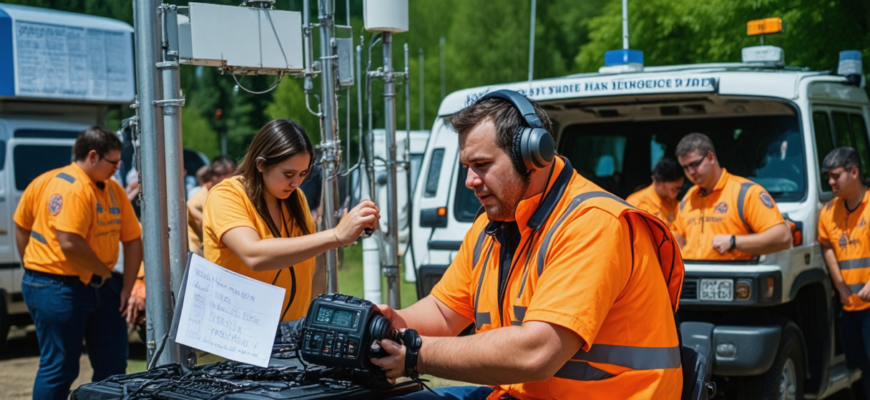
In the realm of emergency preparedness, communication is often the linchpin that determines the success of coordinated responses. Amateur Radio Emergency Services (ARES), a vital component of community safety infrastructure, plans to conduct a comprehensive drill next month. This event aims to enhance the readiness of amateur radio operators to serve their communities during crises, ensuring robust, reliable communication when conventional systems may fail. This article provides an in-depth overview of the upcoming ARES drill, its significance, planning details, procedures involved, and how amateur radio enthusiasts can participate or prepare for this crucial event.
- Understanding Amateur Radio Emergency Services (ARES)
- What Is ARES?
- The Role of ARES in Emergency Situations
- The Upcoming ARES Drill: An Overview
- Purpose of the Drill
- Date and Duration
- Involved Organizations and Partners
- Detailed Drill Scenarios and Exercises
- Scenario 1: Power Outage and Infrastructure Failure
- Scenario 2: Severe Weather Event with Signal Interference
- Scenario 3: Large-Scale Event Coordination
- Scenario 4: Disaster Recovery and Medical Support
- Key Components of the Drill
- Pre-Drill Preparations
- Execution Phase
- Post-Drill Activities
- Technical Aspects of the Exercises
- Radio Equipment and Modes
- Operating Modes
- Interference Management and Frequency Planning
- How to Participate in or Prepare for the Drill
- License and Certification Requirements
- Equipment Checklist
- Training and Skill Development
- Community Engagement
- Benefits of Participating in Emergency Radio Drills
- Post-Event Analysis and Continual Improvement
- Building Resilience Through Preparedness
- Additional Resources
- Stay Prepared: Mark Your Calendar
Understanding Amateur Radio Emergency Services (ARES)
What Is ARES?
Amateur Radio Emergency Services (ARES) is a volunteer organization composed of licensed amateur radio operators who assist their communities during emergencies. Members are trained to provide backup communication services when standard channels—cellular networks, internet, landlines—become compromised due to natural or man-made disasters. ARES operates under the auspices of the American Radio Relay League (ARRL) and similar organizations worldwide, coordinating efforts with emergency management agencies and first responders.
The Role of ARES in Emergency Situations
- Communication Backup: Providing critical communication links when existing systems are down.
- Logistics Coordination: Assisting in coordination and dissemination of information.
- Public Safety Support: Supporting first responders and emergency services.
- Community Outreach & Training: Educating the public and volunteer operators for effective crisis response.
The Upcoming ARES Drill: An Overview
Purpose of the Drill
The primary goal is to simulate real-world emergency scenarios where amateur radio operators deploy their skills to test communication networks, equipment, coordination protocols, and overall readiness. This exercise helps identify strengths and gaps in current procedures, allowing for continuous improvement in emergency response capabilities.
Date and Duration
The drill is scheduled for the first weekend of next month, spanning two days: Saturday, September 15, and Sunday, September 16, 20XX. The event commences at 0800 hours local time and concludes at 1800 hours each day, allowing for extensive coverage and scenario testing.
Involved Organizations and Partners
- Local Emergency Management Agencies
- National Weather Service
- Fire Departments and Emergency Medical Services
- Local Amateur Radio Clubs
- Community Volunteer Groups
Detailed Drill Scenarios and Exercises
Scenario 1: Power Outage and Infrastructure Failure
This scenario tests how amateur operators establish communication channels during a widespread power outage affecting urban and rural areas. Participants will deploy portable power sources, such as generators or batteries, to operate radio stations independently from grid power.
Scenario 2: Severe Weather Event with Signal Interference
A simulated hurricane or tornado causes communication disruptions, terrain obstructions, and interference. Operators will need to demonstrate effective use of different modes (HF, VHF, UHF) and techniques like repeater linking and mesh networks.
Scenario 3: Large-Scale Event Coordination
Assisting with a mock evacuation or mass gathering, operators will coordinate between various agencies, relay status updates, and provide controlled communication channels, emulating real-event logistics and safety planning.
Scenario 4: Disaster Recovery and Medical Support
Simulating a post-disaster environment where hospitals, shelters, and command centers rely on amateur radio support for medical supply requests, situational reporting, and resource allocation.
Key Components of the Drill
Pre-Drill Preparations
- Updating and verifying licensing and equipment readiness.
- Reviewing emergency communication protocols.
- Coordinating with participating agencies and volunteers.
- Testing portable setups and backup power sources.
Execution Phase
- Deployment of portable stations at designated locations.
- Communication exercises across different frequency bands.
- Real-time logging and reporting.
- Feedback collection from participants and observers.
Post-Drill Activities
- Debrief summaries and performance reviews.
- Identifying areas for improvement.
- Updating protocols and training materials.
- Publishing after-action reports.
Technical Aspects of the Exercises
Radio Equipment and Modes
| Equipment Type | Description | Purpose |
|---|---|---|
| HF Transceivers | High-frequency radios operating typically between 3–30 MHz | Long-distance communication during outages |
| VHF/UHF Radios | Very High Frequency and Ultra High Frequency radios operating between 30 MHz and 3 GHz | Line-of-sight communication; local coverage |
| Mobile and Portable Stations | Battery-powered, lightweight units | Rapid deployment at emergency sites |
| Repeaters | Stations that extend signal range, often located on high terrains or tall structures | Enhance communication reach |
Operating Modes
- SSB (Single Sideband) — For long-distance voice communication.
- FM (Frequency Modulation) — Common for local channels.
- Digital Modes — Such as Winlink, APRS, and fldigi for data transfer and mapping.
- Packet Radio — For structured data and messaging.
Interference Management and Frequency Planning
Operators will employ techniques such as frequency coordination, noise reduction, and adaptive power control to ensure clear communication despite potential interference from emergency conditions and environmental factors.
How to Participate in or Prepare for the Drill
License and Certification Requirements
All participants must possess a valid amateur radio license (Technician Class or higher). Additional certifications in Emergency Communications (CERT) or ARES training are recommended but not mandatory.
Equipment Checklist
- Portable transceiver(s) suitable for HF, VHF, or UHF bands
- Power sources: batteries, portable generators, solar panels
- Antenna systems: portable wire antennas, verticals, or dipoles
- Accessories: headsets, microphones, logging software
- Maps, frequency lists, and reference materials
Training and Skill Development
Participate in local ARES training sessions, online courses, or practice nets to hone operational skills, operating procedures, and emergency protocol familiarity.
Community Engagement
Coordination with local organizations, informing neighbors about the drill, and encouraging new operators to join foster broader community resilience.
Benefits of Participating in Emergency Radio Drills
- Hands-on experience in emergency communication operations
- Networking with other amateur radio enthusiasts and emergency personnel
- Contributing to community safety and disaster preparedness
- Enhancing technical skills and troubleshooting abilities
- Fulfilling certification and training requirements for emergency communication agencies
Post-Event Analysis and Continual Improvement
After the drill, comprehensive reviews are essential to assess operational effectiveness. Feedback from participants, observers, and partner agencies help refine procedures, update equipment needs, and plan future exercises. Continuous learning and adaptation ensure amateur radio services remain an invaluable asset during actual emergencies.
Building Resilience Through Preparedness
The scheduled amateur radio emergency services drill next month represents a significant step toward ensuring communication resilience in times of crisis. By actively participating or supporting these exercises, amateur radio operators strengthen their skills, foster community collaboration, and contribute to a nationwide network of dependable emergency communication. As natural disasters and unforeseen incidents become increasingly unpredictable, preparedness through practice remains the best safeguard for communities worldwide.
Additional Resources
- American Radio Relay League (ARRL) — Official website with guides, training, and licensing info.
- ARRL ARES — Details on the organization’s mission and local chapters.
- Federal Communications Commission (FCC) — Licensing regulations and operating procedures.
- Local amateur radio clubs and training sessions registration portals.
Stay Prepared: Mark Your Calendar
Ensure your equipment, skills, and community contacts are ready for the upcoming ARES drill. Participation, whether active or observatory, enhances overall disaster readiness and helps save lives during critical moments.
Похожие записи:
 Emergency Communication Protocols for Ham Radio Operators: The Latest Updates and Best Practices
  Mastering Emergency Operations: Essential Tips for Responsible Amateur Radio Communication
  Developing Effective Emergency Preparedness Plans with Ham Radio: A Comprehensive Guide for Amateur Radio Enthusiasts
  Beginner’s Guide to Operating Portable Ham Radio at Events: Mastering Communication for Event Support
  Mastering Your Amateur Radio Setup: Essential Guidelines for Field Day and Emergency Drills
  Top Picks for Emergency Radio Kits: Essential Gear for Every Preparedness Kit
  Rugged Radios for Adventurers and Fieldwork: The Ultimate Guide to Reliable Communication
  How Radio Saved a Friend in Need: A Remarkable Story of Amateur Radio’s Power
  The Day I Assisted in a Search and Rescue Operation: An Amateur Radio Operator’s Perspective
  The Time I Learned Digital Modes From a Fellow Ham: A Deep Dive into Modern Ham Radio Communication
  High-Gain Antennas for Long-Distance Communication: Unlocking Extended Reach in Amateur Radio
  New Regulations Affecting Amateur Radio Licensing and Operation: What You Need to Know
  Join the Virtual Contest Workshops This Weekend: Your Ultimate Guide for Amateur Radio Enthusiasts
  Official Announcement for the International QRP Sprint: Everything You Need to Know
  How a Lost Radio Helped Reconnect a Community: The Power of Amateur Radio
  New Dxpedition Dates for the Summer Announced: What Amateur Radio Enthusiasts Need to Know