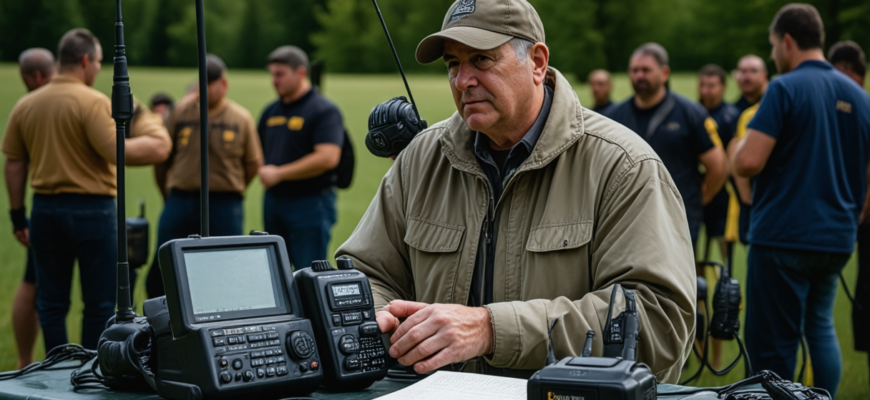
In times of crisis, reliable communication becomes a lifeline. Natural disasters, power outages, or other emergencies can disable conventional communication channels, leaving communities isolated and unresponsive. Amateur radio, commonly known as ham radio, has long been recognized as a vital tool for emergency preparedness and disaster response. This article provides an in-depth look at how to develop effective emergency preparedness plans utilizing ham radio, ensuring readiness and resilience when it matters most.
- Understanding the Importance of Emergency Preparedness with Ham Radio
- The Role of Ham Radio in Disaster Situations
- Advantages of Using Ham Radio for Emergency Preparedness
- Foundation of an Emergency Preparedness Plan with Ham Radio
- Key Components of an Effective Plan
- Establishing Clear Objectives
- Step-by-Step Development of a Ham Radio Emergency Plan
- 1. Conduct a Community Risk Assessment
- 2. Assemble Your Team and Resources
- 3. Define Communication Protocols and Frequencies
- Sample Message Format (Making It Concise)
- 4. Implement Training and Regular Drills
- 5. Coordinate with Emergency Services and Community Organizations
- Advanced Techniques to Enhance Emergency Communications
- Digital Modes and Their Benefits
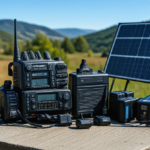
- Using Solar Power and Secondary Energy Sources
- Incorporating Mobile and Portable Stations
- Legal and Licensing Considerations
- Sample Emergency Preparedness Checklist for Ham Radio Operators
- Case Studies: Successful Implementation of Ham Radio Emergency Plans
- Hurricane Katrina (2005)
- California Wildfires (2017–2020)
- Building Resilience Through Preparedness and Ham Radio
- Additional Resources
- Final Thoughts
Understanding the Importance of Emergency Preparedness with Ham Radio
The Role of Ham Radio in Disaster Situations
Ham radios serve as a resilient communication platform that can operate independently of traditional infrastructure like internet, cellular networks, or landlines. During emergencies, when standard communication methods fail, ham radio operators can establish links across vast distances, facilitating coordination among emergency services, local authorities, and affected communities.
Historically, ham radio operators have played crucial roles during events such as hurricanes, earthquakes, and wildfires. Their ability to quickly set up portable stations and relay critical information makes them indispensable in emergency management scenarios.
Advantages of Using Ham Radio for Emergency Preparedness
- Autonomous Operation: Independent of power grids and communication networks.
- Extended Range: Capable of reaching distant locations using various modes and frequencies.
- Resilience: Functionality often remains operational during infrastructure failures.
- Community Involvement: Builds a network of trained volunteers ready to assist during crises.
- Flexibility: Multiple modes (voice, digital, Morse code) accommodate different needs and conditions.
Foundation of an Emergency Preparedness Plan with Ham Radio
Key Components of an Effective Plan
Developing a comprehensive emergency plan involves several core elements that ensure responsiveness and coordination:
- Assessment of Risks and Needs — Identifying potential hazards and community requirements.
- Resource Inventory — Cataloging available equipment, supplies, and personnel.
- Communication Protocols — Establishing procedures, frequencies, and message formats.
- Training and Drills — Conducting regular exercises to maintain readiness.
- Partnerships and Coordination — Collaborating with local authorities and emergency services.
Establishing Clear Objectives
Effective emergency plans must have specific, measurable, achievable, relevant, and time-bound (SMART) goals. Examples include:
- Ensuring 100% communication coverage within the target area during a specified emergency.
- Training at least 20 volunteers annually in emergency communication protocols.
- Creating a network that can relay critical information within 15 minutes of an incident.
Step-by-Step Development of a Ham Radio Emergency Plan
1. Conduct a Community Risk Assessment
Start by analyzing the vulnerability of the community. Consider natural hazards like floods, earthquakes, tornadoes, or wildfires, as well as man-made threats such as industrial accidents or power outages. Map out areas with limited or no cellular coverage to identify potential communication gaps that ham radio can fill.
| Hazard Type | Likely Impact | Communication Challenges |
|---|---|---|
| Flooding | Displacement of residents, infrastructure damage | Cellular networks may be disrupted; roads blocked |
| Earthquake | Structural damage, fires, casualties | Power outages, communication breakdowns |
| Wildfire | Evacuations, property loss | Overloaded networks, smoke interference |
| Power Outages | Disruption of all electronic communication | Cell towers offline, internet inaccessible |
2. Assemble Your Team and Resources
Identify individuals who will operate ham radios during emergencies. Ensure they are licensed, trained, and familiar with emergency protocols. Also, inventory equipment such as:
- Transceivers operating on emergency frequencies
- Power sources (generators, batteries, solar panels)
- Antennae suitable for portable and fixed stations
- Mobile and portable radios
- Communication notebooks and message forms
3. Define Communication Protocols and Frequencies
Establish standard operating procedures for message handling, including brevity codes and predefined message formats. Select primary and backup frequencies for different scenarios and ensure all operators have access to relevant frequency lists.
Sample communication hierarchy:
- Local Station: To coordinate immediate neighborhood response.
- Regional Net: To connect with nearby ham repeaters or simplex frequencies.
- National or International Nets: For broader coordination during large-scale events.
Sample Message Format (Making It Concise)
Message of type, location, and priority are succinctly conveyed:
Traffic Accident - Location: Main St & 3rd Ave - Severity: Major - Need EMS assistance
4. Implement Training and Regular Drills
Consistent training ensures that every team member understands their roles and communication procedures. Conduct simulated emergency drills mimicking real disaster scenarios to identify weaknesses and improve response times.
5. Coordinate with Emergency Services and Community Organizations
Establish partnerships with local authorities, emergency management agencies, hospitals, and community groups. Share your plan, provide training, and coordinate communication channels to ensure a seamless response during actual emergencies.
Advanced Techniques to Enhance Emergency Communications
Digital Modes and Their Benefits
Digital communication modes such as Winlink, VARA, and JS8Call offer advantages like error correction, automation, and ability to send detailed messages. They are particularly useful for:
- Sending reports with attachments (photos, documents)
- Automated status messages
- Long-distance data exchange
Setting up digital stations requires compatible hardware and software, along with practice to operate effectively under stressful conditions.
Using Solar Power and Secondary Energy Sources
To ensure station operation even during prolonged outages, incorporate sustainable energy solutions such as solar panels with battery storage. This not only enhances reliability but also promotes environmentally friendly practices.
Incorporating Mobile and Portable Stations
Equip mobile units that can be deployed rapidly to disaster zones, facilitating communication from different locations. Portable handheld transceivers with long battery life are invaluable for foot patrols and field operators.
Legal and Licensing Considerations
Ensure all operators hold a valid amateur radio license as per local regulations. Maintain compliance with frequencies, transmission power limits, and operational protocols. During emergencies, licensed operators may use emergency power and frequencies beyond normal restrictions, but it is vital to adhere to legal standards to avoid interference and ensure proper authorization.
Sample Emergency Preparedness Checklist for Ham Radio Operators
| Item | Description | Status |
|---|---|---|
| License up-to-date | All operators hold current licenses | Yes / No |
| Equipment checked and functional | Radios, antennas, power sources | Yes / No |
| Frequencies documented | Primary, backup, emergency channels listed | Yes / No |
| Communication plan shared | Members aware of protocols and procedures | Yes / No |
| Emergency contacts compiled | Local authorities, hospitals, emergency services | Yes / No |
| Training and drills scheduled | Regular practice sessions planned | Yes / No |
Case Studies: Successful Implementation of Ham Radio Emergency Plans
Hurricane Katrina (2005)
Amateur radio operators played a decisive role in restoring communication in flooded and devastated regions. Their efforts included setting up mobile stations and relaying information vital for rescue and relief operations when conventional systems failed.
California Wildfires (2017–2020)
Ham radio networks provided critical coordination between firefighting teams and evacuees. The use of digital modes enabled detailed reporting, and portable stations facilitated rapid deployment in remote areas.
Building Resilience Through Preparedness and Ham Radio
Developing robust emergency preparedness plans incorporating ham radio operational protocols is essential for resilient communities. By understanding risks, training volunteers, establishing clear procedures, and fostering partnerships, amateur radio enthusiasts can significantly enhance local emergency response capabilities. Continuous improvement through drills, technology adoption, and community engagement ensures that when disasters strike, communications remain persistent, clear, and effective, ultimately saving lives and reducing suffering.
Additional Resources
- American Radio Relay League (ARRL) – Guidance on licensing, training, and emergency communication resources
- RadioReference – Frequency databases and coordination tools
- Ham Community – Forums and peer support for amateur radio operators
- Local amateur radio clubs and training sessions
Final Thoughts
Effective emergency preparedness hinges upon meticulous planning, community involvement, and mastery of communication tools. Ham radio stands out as a resilient, adaptable, and vital resource capable of bridging gaps when conventional channels fail. By investing effort into training, equipment, and strategic planning, amateur radio operators can become crucial first responders, helping to safeguard lives and property during times of crisis.
Похожие записи:
 How to Build Your Own Homemade QRP Transceiver: A Comprehensive Guide for Amateur Radio Enthusiasts
  Effective Tips for Organizing Successful Ham Radio Contests: A Comprehensive Guide
  Emergency Communication Protocols for Ham Radio Operators: The Latest Updates and Best Practices
  Effective Troubleshooting Guide for Common Radio Hardware Issues in Amateur Radio
  Comprehensive Review of the Latest Transceiver Models on the Market: Innovations and Performance for Amateur Radio Enthusiasts
  New Regulations Affecting Amateur Radio Licensing and Operation: What You Need to Know
  Integrating Internet-Linked Repeater Systems with Traditional Ham Gear: A Comprehensive Guide
  Advances in Battery Technology for Portable Ham Radio Use: Powering the Future of Amateur Radio
  Ultimate Guide: Best Practices for Setting Up a Remote Radio Station Accessible Worldwide
  Using APRS for Real-Time Location Tracking and Messaging
  Enhancing CW Skills with Cutting-Edge Training Software: Your Path to Radio Success
  Innovative Antenna Designs for Enhanced HF Performance
  Последние достижения в области цифровых средств связи в любительском радио: инновации и будущее