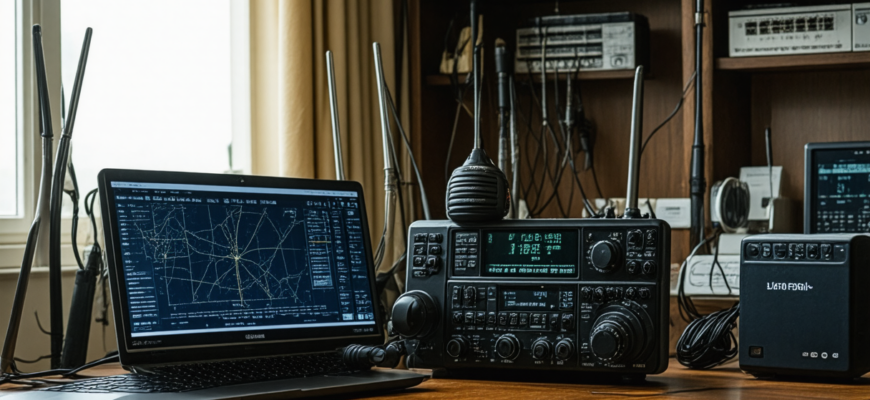
Amateur radio, or ham radio, has long been celebrated for its versatility, community, and technical challenge. With technological advancements, integrating internet-linked repeater systems with traditional ham radio equipment has emerged as a pivotal development, expanding the capabilities of amateur operators worldwide. This guide aims to delve deep into the principles, methods, and benefits of integrating these advanced systems, ensuring readers gain a thorough understanding of how to enhance their radio setups with internet connectivity.
- Introduction to Internet-Linked Repeater Systems
- What Are Internet-Linked Repeater Systems?
- The Evolution of Repeater Technology
- Fundamental Components of Internet-Linked Repeater Integration
- Hardware Components
- Software Components
- Steps for Integrating Internet-Linked Repeater Systems with Ham Gear
- 1. Assessing Compatibility and Requirements
- 2. Choosing the Right System Architecture
- 3. Installing and Connecting Network Interface Devices
- 4. Configuring Digital Modes and Software
- 5. Establishing Network Links and Testing
- Technical Considerations and Best Practices
- Ensuring Signal Quality and Reliability
- Security and Access Control
- Maintaining System Compatibility
- Popular Internet-Linked Repeater Protocols and Platforms
- EchoLink
- BrandMeister
- D-STAR
- System Fusion
- Advantages of Integrating Internet-Linked Repeater Systems
- Expanded Coverage and Connectivity
- Enhanced Communication Capabilities
- Resilience and Reliability
- Community Building and Collaboration
- Challenges and Limitations
- Dependence on Internet Infrastructure
- Security Concerns
- Cost and Complexity
- Future Trends and Innovations
- Integration with IoT and Remote Sensing
- Advanced Digital Protocols
- Artificial Intelligence and Automation
- Summary and Best Practices
- Top Tips:
Introduction to Internet-Linked Repeater Systems
What Are Internet-Linked Repeater Systems?
Internet-linked repeater systems are communication networks where traditional radio repeaters are connected via the internet, allowing for wider coverage and seamless communication across great distances. Unlike conventional repeaters that rely solely on radio frequency (RF) links, these systems leverage internet infrastructure to link multiple repeaters, creating a virtual network that spans cities, countries, or even continents.
The Evolution of Repeater Technology
Traditionally, radio repeaters served as relays in local areas, facilitating communication over limited distances. However, with the proliferation of high-speed internet and digital communication protocols, it became feasible to interconnect multiple repeaters globally, forming integrated systems that support not only voice but also data, GPS, and multimedia transmissions.
Fundamental Components of Internet-Linked Repeater Integration
Hardware Components
- Traditional Ham Radio Transceivers: The core device for transmission and reception.
- Digital Repeaters: Devices capable of digital modes and internet connectivity.
- Network Interface Devices: Such as Network Interface Modules (NIMs) or digital interface boards that connect radio hardware to internet networks.
- Computers or Servers: For managing the network, control, and digital modes, often running specialized software.
- Internet Connectivity: Reliable broadband connections via Ethernet, Wi-Fi, or LTE.
Software Components
- Control Software: For managing repeater functions, linked nodes, and digital modes (e.g., VARA, EchoLink, BrandMeister).
- Networking Protocols: Such as D-STAR, DMR, System Fusion, or proprietary protocols tailored for internet-linked systems.
- Configuration Tools: To set up, monitor, and optimize the network topology and performance.
Steps for Integrating Internet-Linked Repeater Systems with Ham Gear
1. Assessing Compatibility and Requirements
Before integration, it’s essential to evaluate existing hardware and ascertain if they support digital modes and internet connectivity. Compatibility checks include ensuring the transceivers can operate in digital modes and that repeaters support external interfaces or digital cards.
2. Choosing the Right System Architecture
Depending on the objectives, an operator can select among various architectures:
- Full digital systems using D-STAR, DMR, or System Fusion.
- Hybrid systems combining analog and digital capabilities.
- Multi-mode systems that support multiple digital protocols.
3. Installing and Connecting Network Interface Devices
This step involves connecting the transceiver to a network interface—such as a sound card interface, digital interface, or a specialized hub. The interface may connect via USB, Ethernet, or other ports, bridging the radio hardware with the network.
4. Configuring Digital Modes and Software
Settings such as frequency, offset, ID, and protocol parameters are configured through control software. Proper network configuration ensures seamless routing, linking, and control of linked repeaters.
5. Establishing Network Links and Testing
Once hardware and software are configured, test links by transmitting signals through the network, ensuring clear audio, minimal latency, and stable connections. Proper testing often involves collaborating with other operators in the linked network.
Technical Considerations and Best Practices
Ensuring Signal Quality and Reliability
Given the reliance on internet infrastructure, maintaining a stable and high-quality network connection is critical. Use wired Ethernet connections where possible, invest in quality routers, and prioritize bandwidth to minimize lag and jitter.
Security and Access Control
Networks are vulnerable to unauthorized access. Implement firewalls, strong passwords, and encryption where supported. Regularly update firmware and software to patch security vulnerabilities.
Maintaining System Compatibility
Ensure that all hardware components support the chosen digital protocols and that firmware is updated regularly. Compatibility across different brands and models enhances network flexibility and robustness.
Popular Internet-Linked Repeater Protocols and Platforms
EchoLink
A widely used system allowing licensed amateurs to connect via internet to local repeaters or operate remotely using VoIP technology. It integrates seamlessly with traditional repeaters equipped with appropriate hardware.
BrandMeister
An open-source digital network supporting DMR repeaters globally, allowing dynamic linking and talk groups transmitted over internet-connected hardware.
D-STAR
Digital Voice and Data system with the capability to connect repeaters over IP networks, enabling global communication with digital interoperability features.
System Fusion
Yaesu’s digital protocol supporting internet linking with integrated voice and data modes, favoring ease of use and flexibility, compatible with hybrid digital-analog setups.
Advantages of Integrating Internet-Linked Repeater Systems
Expanded Coverage and Connectivity
Operators can communicate across vast distances without relying solely on RF range, opening possibilities for connecting regional, national, and international networks.
Enhanced Communication Capabilities
Includes features such as remote operation, digital modes, multimedia sharing, and GPS data transmission, significantly enriching the amateur radio experience.
Resilience and Reliability
Internet linking provides redundancy paths, ensuring communication resilience even if local RF links experience interference or failure.
Community Building and Collaboration
Global linked networks foster amateur collaboration, knowledge exchange, and emergency communication support.
Challenges and Limitations
Dependence on Internet Infrastructure
Internet disruptions, outages, or bandwidth limitations can affect the stability of linked systems.
Security Concerns
Unsecured networks may be vulnerable to hacking, unauthorized access, or malicious interference. Proper cybersecurity measures are essential.
Cost and Complexity
Initial setup involves investment in hardware, software, and configuration effort, potentially intimidating for newcomers.
Future Trends and Innovations
Integration with IoT and Remote Sensing
The combination of amateur radio with IoT devices and remote sensors will enhance data collection, monitoring, and emergency response capabilities.
Advanced Digital Protocols
Developments in digital voice, encryption, and data rates will improve network efficiency, security, and feature set.
Artificial Intelligence and Automation
AI-powered system management and autonomous linking will streamline operation, monitoring, and troubleshooting processes.
Summary and Best Practices
Integrating internet-linked repeater systems with traditional ham gear opens new horizons for amateur radio operators, but requires careful planning, technical knowledge, and security awareness. Proper hardware selection, software configuration, and network management are vital to maximize benefits while mitigating challenges.
Top Tips:
- Always use high-quality, compatible hardware and keep firmware updated.
- Prioritize secure and reliable internet connections, preferring wired connections over wireless.
- Regularly monitor network performance and security settings.
- Participate in local and online ham radio communities to learn best practices and share experiences.
- Stay informed about emerging digital protocols and network platforms to expand capabilities.
The seamless integration of internet-linked repeater systems with traditional ham radio equipment heralds a new era of communication for amateur radio enthusiasts. By leveraging digital protocols, high-speed internet, and innovative software, operators can significantly extend their reach, enhance functionality, and foster a global community. Success in this endeavor depends on thorough understanding, proper hardware and software deployment, and ongoing maintenance, ensuring reliable and secure communication networks for years to come.
Похожие записи:
 Emergency Communication Protocols for Ham Radio Operators: The Latest Updates and Best Practices
  Ultimate Guide: Best Practices for Setting Up a Remote Radio Station Accessible Worldwide
  How to Build Your Own Homemade QRP Transceiver: A Comprehensive Guide for Amateur Radio Enthusiasts
  Effective Troubleshooting Guide for Common Radio Hardware Issues in Amateur Radio
  New Regulations Affecting Amateur Radio Licensing and Operation: What You Need to Know
  Innovative Antenna Designs for Enhanced HF Performance
  Advances in Battery Technology for Portable Ham Radio Use: Powering the Future of Amateur Radio
  Последние достижения в области цифровых средств связи в любительском радио: инновации и будущее