Amateur radio, also known as ham radio, is more than just a hobby—it’s a vibrant community of enthusiasts who love exploring communication technology, making new friends across the globe, and engaging in unique technical challenges. Sharing this passion not only helps grow the community but also enhances personal knowledge and skills. Whether you’re a seasoned operator or a new entrant eager to introduce others to this fascinating world, there are numerous simple and effective ways to spread the joy of amateur radio. In this comprehensive guide, we’ll explore practical methods that make sharing your hobby accessible, engaging, and inspiring.
- Understanding the Importance of Promoting Amateur Radio
- Effective Strategies to Share Your Passion for Amateur Radio
- 1. Host Local Workshops and Demonstrations
- 2. Use Digital Platforms to Share Knowledge
- 3. Engage in Public Events and Community Activities
- 4. Encourage Youth Engagement
- 5. Share Your Personal Experiences and Success Stories
- Tools and Resources to Facilitate Sharing
- The Power of Education and Certification
- Fostering a Culture of Sharing and Inclusion
- Measuring Success and Sustaining Engagement
- Additional Resources
Understanding the Importance of Promoting Amateur Radio
Before diving into specific strategies, it’s essential to recognize why promoting amateur radio is vital:
- Community Growth: Expanding the number of active operators ensures the sustainability of the hobby and keeps the tradition alive.
- Technical Advancement: Sharing knowledge fosters innovation and development within the amateur radio community.
- Public Safety: Well-informed amateur radio operators can play crucial roles during emergencies, natural disasters, and community events.
- Personal Enrichment: Introducing others brings new perspectives, skills, and camaraderie, enriching the experience for everyone involved.
Effective Strategies to Share Your Passion for Amateur Radio
1. Host Local Workshops and Demonstrations
Organizing local events is one of the most direct ways to introduce people to amateur radio. These workshops can include hands-on activities, equipment demonstrations, and basic operating tutorials. Here are some tips to make these workshops successful:
- Choose Accessible Venues: Community centers, schools, or libraries provide excellent spaces that are welcoming and easy to access.
- Plan Engaging Content: Include practical demonstrations like setting up a simple station, making a contact, or decoding Morse code.
- Invite Experts: Collaboration with experienced operators can enrich the event and boost credibility.
- Provide Educational Materials: Hand out guides, brochures, or quick-start kits for beginners.
Running a series of workshops can gradually build a local enthusiast community and encourage sustained interest.
2. Use Digital Platforms to Share Knowledge
In today’s digital age, online platforms are powerful tools to showcase the hobby and connect with a broad audience. Here are some ways to leverage these tools effectively:
- Start a Blog or Website: Share stories, technical insights, and tutorials that can attract both novices and experienced hams.
- Harness Social Media: Platforms like Facebook, Instagram, and Twitter allow quick sharing of updates, event notices, and interesting radio activities.
- Create YouTube Content: Video tutorials, unboxing, antenna builds, and logbook sessions help demystify complex topics and reach visual learners.
- Participate in Forums and Communities: Engage in discussions on Reddit, QRZ, or local amateur radio forums to answer questions and inspire newcomers.
3. Engage in Public Events and Community Activities
Participating in or organizing community events is an excellent way to showcase amateur radio’s relevance and usefulness. Some ideas include:
- Field Days and Emergency drills: Demonstrate how amateur radio operators contribute during disasters and emergencies.
- Public Safety Events: Support marathons, festivals, or parades by providing communication services, showcasing teamwork, and promoting the hobby.
- Open House Days: Invite the public to visit radio stations, see equipment firsthand, and ask questions.
These activities highlight the practical and social value of amateur radio, inspiring public interest and participation.
4. Encourage Youth Engagement
Introducing young people to amateur radio helps secure the longevity of the hobby. Tailored approaches include:
- School Outreach Programs: Conduct presentations or after-school clubs focused on radio and electronics fundamentals.
- Junior RadioContests and Competitions: Organize or support contests aimed at younger participants with simplified rules and fun prizes.
- Mentorship Opportunities: Connect experienced operators with youth so they can guide them through licensing and radio operation.
By making the hobby accessible and engaging for youth, you can spark long-term interest and passion.
5. Share Your Personal Experiences and Success Stories
People are naturally attracted to stories that evoke curiosity and emotion. Sharing personal anecdotes about memorable contacts, technical projects, or community service enhances the appeal of amateur radio. Some ways to do this include:
- Writing Articles and Blog Posts: Document your experiences, challenges, and achievements in a compelling way.
- Presentations and Talks: Offer to speak at clubs, libraries, or special interest groups about your journey in amateur radio.
- Documenting Projects: Create photo and video logs of antenna builds, station setups, or field operations.
Tools and Resources to Facilitate Sharing
To maximize outreach efforts, utilize the right tools and resources:
| Tool/Resource | Description | Best Use Case |
|---|---|---|
| Social Media Platforms | Facebook, Instagram, Twitter, TikTok | Sharing quick updates, engaging posts, event promotion |
| YouTube Channel | Video content platform | Technical tutorials, station tours, event coverage |
| Amateur Radio Forums | Online communities such as QRZ, Reddit | Discussion, Q&A, technical help |
| Blogging Platforms | WordPress, Blogger | In-depth articles, tutorials, stories |
| Local Clubs and Groups | Ham radio clubs, amateur radio societies | Networking, organizing events, mentorship |
The Power of Education and Certification
Encouraging newcomers to pursue licensing and certification can significantly boost confidence and credibility in operating amateur radio. Providing information about licensing processes, preparation resources, and local exam sessions helps demystify the entry barrier. Many amateurs find value in co-hosting study groups or offering informal mentorship to guide newcomers through licensing steps.
Fostering a Culture of Sharing and Inclusion
An essential aspect of promoting amateur radio is building an inclusive environment where everyone feels welcome. This involves:
- Respecting Diversity: Embrace cultural, gender, and age diversity within the community.
- Promoting Accessibility: Use accessible language and assistive technologies for those with disabilities.
- Encouraging Questions and Curiosity: Create a non-judgmental space for beginners to learn and experiment.
Measuring Success and Sustaining Engagement
Tracking the impact of outreach efforts is crucial for long-term growth. Metrics include:
- Number of new licenses issued
- Participation in events and clubs
- Online engagement levels
- Feedback from newcomers
Regularly reviewing these indicators enables organizers to refine their strategies and keep the momentum going.
Sharing your passion for amateur radio is an enriching endeavor that benefits both the individual and the broader community. By hosting local workshops, leveraging digital media, participating in community activities, engaging youth, and sharing personal stories, amateur radio enthusiasts can inspire new generations and strengthen the fabric of this unique hobby. The key lies in making the hobby accessible, engaging, and inclusive. With consistent effort and creativity, the outreach can be both rewarding and impactful, ensuring that amateur radio continues to thrive well into the future.
Additional Resources
- American Radio Relay League (ARRL) — Official support and educational resources
- International Amateur Radio Union (IARU) — Global amateur radio initiatives
- QRP Quest — Projects and ideas for low-power operation
- Ham Radio School — Licensing and technical courses
Похожие записи:
 Simple Ways to Improve Your Radio’s Audio Quality: Expert Tips for Better Sound
  Celebrating a Milestone with My Radio Club: A Journey of Achievement and Community Spirit
  Unlocking the World of Ham Radio: How to Participate in Local Ham Radio Clubs and Events A Community Picnic Full of Radio Stories: Celebrating the Spirit of Amateur Radio Sharing the Joy of a Rare Award Win: Celebrating Achievements in Amateur Radio
  Regional Ham Radio Meet Announced for Early November: Everything You Need to Know
 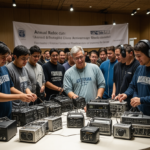 Celebrate with Us at the Annual Radio Club Anniversary Event
 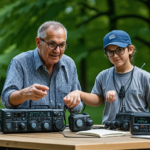 How to Mentor New Ham Radio Operators and Expand the Community
  Commemorating a Personal Radio Milestone: Celebrating Your Achievements in Amateur Radio
  Unforgettable QSO with a Celebrity Radio Operator: A Deep Dive into Memorable Ham Radio Experiences Special Event Station Celebrates Local Heritage Announced: A Unique Opportunity for Amateur Radio Enthusiasts
  Unlocking the Power of Connection: The Benefits of Joining Amateur Radio Contesting Communities
  Sharing My Experience at a National Ham Convention: Insights, Tips, and Highlights
  Join the Virtual Contest Workshops This Weekend: Your Ultimate Guide for Amateur Radio Enthusiasts
  Memories of a Radio Swap Meet Day: A Nostalgic Journey into the World of Ham Radio
  Legendary Operators Who Inspired Me: The Unsung Heroes of Amateur Radio