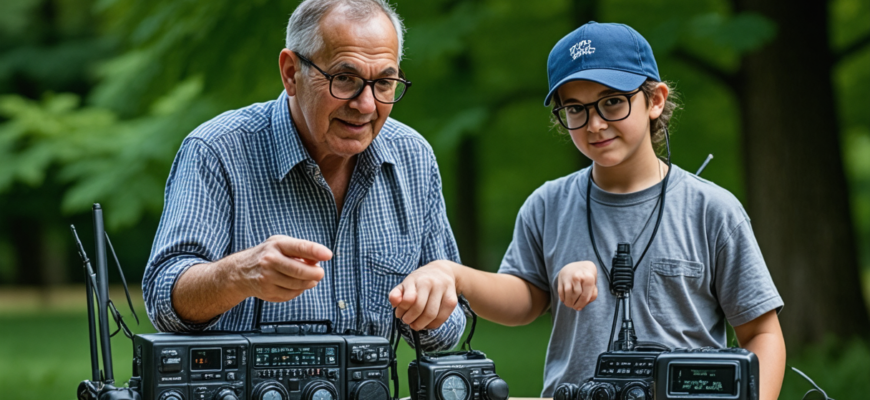
Amateur radio, also known as ham radio, is a fascinating hobby that fosters communication, technical skills, and a sense of global community. As the number of licensed operators fluctuates, mentoring newcomers becomes vital for sustaining and growing this tradition. Effective mentorship not only helps beginners develop their skills but also invigorates the community, ensuring its longevity and relevance. This comprehensive guide explores strategies, best practices, and innovative ideas for mentoring new ham radio enthusiasts and expanding the amateur radio community worldwide.
- Understanding the Importance of Mentoring in Amateur Radio
- The Role of Mentorship in Building a Strong Ham Radio Community
- Benefits for Mentors and Mentees
- Foundations of Effective Mentoring
- 1. Setting Clear Goals and Expectations
- 2. Building a Personalized Learning Plan
- 3. Providing Hands-On Experience
- 4. Encouraging Continuing Education
- Strategies for Mentoring New Operators Effectively
- 1. Active Listening and Personal Engagement
- 2. Using Modern Communication Tools
- 3. Promoting Participation in Community Events
- 4. Emphasizing Safety and Ethical Practices
- Building a Supportive Infrastructure for Mentoring
- 1. Establishing Mentorship Programs within Clubs and Organizations
- 2. Creating Online Resources and Guides
- 3. Recognizing and Celebrating Mentorship Successes
- Innovative Ideas to Expand the Ham Radio Community
- 1. Engaging Youth and Educational Institutions
- 2. Promoting Digital and Social Media Campaigns
- 3. Hosting Themed Events and Contests
- 4. Encouraging Diversity and Inclusion
- Measuring Mentorship Success and Community Growth
- Metrics and Feedback
- Tracking Engagement and Outreach
- Cultivating the Future of Amateur Radio
- Table: Key Steps for Mentoring Success
- Formulas for Radio Signal Strength and Propagation
- 1. Free-space Path Loss (FSPL)
- 2. Antenna Gain
- Final Thoughts
Understanding the Importance of Mentoring in Amateur Radio
The Role of Mentorship in Building a Strong Ham Radio Community
Mentorship serves as the cornerstone of a vibrant and resilient amateur radio community. Experienced operators possess a wealth of technical knowledge, operational expertise, and the social skills necessary to guide newcomers through their initial steps. By sharing insights, troubleshooting tips, and operational practices, mentors help new operators gain confidence and competence.
Furthermore, mentorship fosters a sense of belonging. It encourages newcomers to participate actively, thereby strengthening the community fabric. Well-established networks of mentorship often lead to increased innovation, a broader skill set, and a deeper appreciation of the hobby’s technical and social aspects.
Benefits for Mentors and Mentees
- For mentors: Reinforcing foundational knowledge, developing leadership skills, and giving back to the community.
- For mentees: Accelerated learning curve, practical experience, and confidence in operating radio equipment safely and effectively.
Foundations of Effective Mentoring
1. Setting Clear Goals and Expectations
Successful mentorship begins with clarity. Mentees should understand what they can expect to learn and achieve, such as understanding radio operating procedures, maintaining equipment, or participating in contests and emergency preparedness. Mentors should discuss these goals upfront and review progress periodically.
2. Building a Personalized Learning Plan
Every aspiring ham radio operator comes with a unique background and interests. Developing a tailored learning plan helps address individual needs, whether focusing on technical skills, contesting, digital modes, or emergency communication. Incorporating practical exercises, such as setting up antennas or operating on specific bands, keeps the learning process engaging.
3. Providing Hands-On Experience
Practical experience is irreplaceable. Mentors should facilitate opportunities for mentees to operate radios under supervision, participate in field days, or conduct local tests. Such involvement solidifies theoretical knowledge and builds operational confidence.
4. Encouraging Continuing Education
Ham radio is a lifelong learning hobby. Mentors can recommend courses, webinars, and literature, including the ARRL Handbook, online courses, and technical manuals. Encouraging participation in amateur radio clubs and online forums broadens exposure and collaboration opportunities.
Strategies for Mentoring New Operators Effectively
1. Active Listening and Personal Engagement
Understanding the motivations, interests, and concerns of mentees creates a supportive environment. Active listening allows mentors to tailor guidance effectively, building trust and rapport.
2. Using Modern Communication Tools
Leverage social media, messaging apps, and virtual meeting platforms to communicate easily and flexibly. Hosting webinars, Q&A sessions, and virtual radio meets can connect mentors and mentees regardless of geographic location.
3. Promoting Participation in Community Events
Encourage newcomers to attend local ham radio club meetings, field days, and contests. These events provide practical experience, networking opportunities, and motivation for ongoing involvement.
4. Emphasizing Safety and Ethical Practices
Mentors should instill a strong sense of safety, respecting regulations, and practicing good operating ethics. This foundation prevents accidents and promotes a positive reputation for amateur radio.
Building a Supportive Infrastructure for Mentoring
1. Establishing Mentorship Programs within Clubs and Organizations
Formal programs can designate veteran members as mentors, creating structured pathways for mentorship. Whether through scheduled one-on-one sessions or group workshops, organized programs ensure consistency and inclusivity.
2. Creating Online Resources and Guides
Developing centralized repositories of tutorials, troubleshooting guides, and forums fosters independent learning and supplement hands-on mentorship.
3. Recognizing and Celebrating Mentorship Successes
Acknowledging mentors’ contributions encourages continued participation and inspires others to become mentors themselves.
Innovative Ideas to Expand the Ham Radio Community
1. Engaging Youth and Educational Institutions
Partnering with schools and youth clubs introduces young people to the hobby. Organized youth programs, including competitions and demonstrations, make amateur radio appealing and accessible.
2. Promoting Digital and Social Media Campaigns
Utilize platforms like YouTube, Instagram, and Facebook to showcase exciting radio activities, share success stories, and conduct live Q&A sessions. These channels reach broader audiences, especially digital natives.
3. Hosting Themed Events and Contests
- Examples: Special event stations, emergency preparedness drills, or contest challenges tailored to attract diverse groups.
- Impact: Increased engagement, practical experience, and community building.
4. Encouraging Diversity and Inclusion
Active efforts to include women, minorities, and persons with disabilities enhance community richness. Outreach initiatives, accessible facilities, and inclusive language play a crucial role.
Measuring Mentorship Success and Community Growth
Metrics and Feedback
Regularly assess the effectiveness of mentoring programs through surveys, participation rates, and skill assessments. Gathering feedback helps refine strategies and demonstrates the program’s impact.
Tracking Engagement and Outreach
Monitor new memberships, event attendance, and online activity levels. Growth indicates effective outreach and mentorship success.
Cultivating the Future of Amateur Radio
Mentoring new ham radio operators is pivotal to preserving and expanding this unique hobby. Through personalized guidance, community engagement, innovative outreach, and a steadfast commitment to education, hobbyists and organizations can inspire a new generation of enthusiasts. As the community grows, so does the potential for technological innovation, emergency preparedness, and global communication. Effective mentorship is not just about passing on technical skills but also about fostering a shared passion, building lifelong friendships, and ensuring that amateur radio remains a vibrant and vital part of modern life.
Table: Key Steps for Mentoring Success
| Step | Description | Outcome |
|---|---|---|
| Define Goals | Establish clear objectives for the mentorship program. | Focused learning paths. |
| Develop Personal Plans | Create tailored educational plans for each mentee. | Increased engagement and effectiveness. |
| Provide Practical Experience | Organize hands-on activities, field days, and operating sessions. | Enhanced operational confidence. |
| Encourage Continued Learning | Recommend courses, literature, and online resources. | Long-term skill development. |
| Measure Progress | Collect feedback and assess skill acquisition. | Program refinement and success tracking. |
Formulas for Radio Signal Strength and Propagation
Understanding radio signal propagation can help mentored operators optimize their station setup and operating practices. Here are two essential formulas:
1. Free-space Path Loss (FSPL)
Calculates signal loss over distance in an unobstructed environment:
FSPL(dB) = 20 * log10(d) + 20 * log10(f) - 27.55
where:
– d = distance in meters
– f = frequency in MHz
2. Antenna Gain
Expressed in decibels (dBi), indicating how much an antenna amplifies the signal compared to an isotropic radiator:
Gain (dBi) = 10 * log10(Power output by antenna / Power radiated equally in all directions)
Applying these formulas helps operators understand signal behavior, optimize their station setup, and troubleshoot issues effectively during mentorship sessions.
Final Thoughts
Mentorship in amateur radio is a continuous, rewarding process that sustains the hobby’s vitality. It bridges generations, sparks innovation, and fosters lifelong friendships rooted in a shared passion for communication. By leveraging community resources, embracing modern technology, and emphasizing inclusivity, the amateur radio community can cultivate a thriving ecosystem of enthusiasts eager to explore, learn, and connect across the globe.
Похожие записи:
 Unlocking the Power of Connection: The Benefits of Joining Amateur Radio Contesting Communities
  Emergency Communication Protocols for Ham Radio Operators: The Latest Updates and Best Practices
  New Regulations Affecting Amateur Radio Licensing and Operation: What You Need to Know
  Mastering Digital Voice Conferences: How to Participate Effectively in the Modern Amateur Radio Era
  Mastering Regulatory Changes: A Comprehensive Guide for Amateur Radio Enthusiasts
  Enhancing CW Skills with Cutting-Edge Training Software: Your Path to Radio Success
  Building a Portable Ham Radio Station for Outdoor Expeditions: The Ultimate Guide
  Effective Propagation Analysis Techniques Throughout the Year: Maximizing Ham Radio Performance
  Integrating Software-Defined Radio into Your Daily Operations: A Comprehensive Guide for Amateur Radio Enthusiasts
  Effective Troubleshooting Guide for Common Radio Hardware Issues in Amateur Radio
  Effective Tips for Organizing Successful Ham Radio Contests: A Comprehensive Guide
  Building a Simple, Low-Cost Antenna Tuner at Home: A Comprehensive Guide for Amateur Radio Enthusiasts
  How to Build Your Own Homemade QRP Transceiver: A Comprehensive Guide for Amateur Radio Enthusiasts
  Developing Effective Emergency Preparedness Plans with Ham Radio: A Comprehensive Guide for Amateur Radio Enthusiasts
  Revolutionizing Communications: The Latest Software Updates Enhancing Digital Modes in Amateur Radio
  Comprehensive Review of the Latest Transceiver Models on the Market: Innovations and Performance for Amateur Radio Enthusiasts