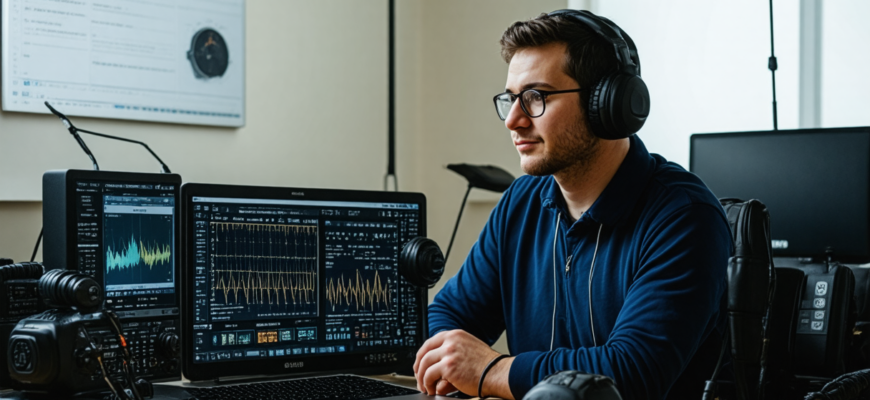
In recent years, the field of amateur radio has experienced a significant transformation, thanks to the advent of software-defined radio (SDR) technology. This innovation has humbled traditional hardware-based radio systems and opened new horizons for hobbyists and professionals alike. For amateur radio enthusiasts, incorporating SDR into daily operations is no longer an option but a necessity to stay ahead in this evolving landscape. In this comprehensive guide, readers will explore what SDR is, its advantages, practical applications, integration techniques, and expert tips to maximize its potential.
- Understanding Software-Defined Radio (SDR)
- What is SDR?
- How Does SDR Differ from Traditional Radios?
- The Advantages of Incorporating SDR into Amateur Radio Operations
- Enhanced Versatility and Functionality
- Cost Savings and Compact Design
- Ease of Upgrades and Customization
- Advanced Signal Processing Capabilities
- Remote Operation and Integrations
- Practical Applications of SDR in Daily Amateur Radio Operations
- Contesting and DXing
- Digital Mode Operations
- Emergency Communications
- Experimental and Research Projects
- Key Parameters and Features to Consider When Choosing an SDR
- Popular SDR Platforms for Amateur Radio Enthusiasts
- RTL-SDR
- HackRF One
- SDRplay
- UPcon and other high-end SDRs
- Integrating SDR into Your Daily Workflows
- Step 1: Selecting the Right Hardware
- Step 2: Installing and Configuring Software
- Step 3: Connecting and Testing
- Step 4: Exploring Advanced Features
- Step 5: Keeping Software Updated
- Expert Tips to Maximize Your SDR Experience
- Future Trends and Innovations in SDR for Amateur Radio
Understanding Software-Defined Radio (SDR)
What is SDR?
Software-defined radio (SDR) is a radio communication system where many traditional hardware components—such as mixers, filters, amplifiers, modulators/demodulators—are implemented through software algorithms on a computer or embedded system instead of being wired hardware. This approach allows for highly flexible, upgradable, and multifunctional radio solutions that can adapt to various frequency bands, modulation schemes, and protocols simply by updating software.
How Does SDR Differ from Traditional Radios?
Traditional radios rely heavily on analog hardware, fixed-function circuits, and physical components designed for specific frequency ranges or protocols. In contrast, SDR employs digital signal processing (DSP) techniques within a computer or embedded platform. The key differences include:
- Flexibility: SDR can handle multiple frequency bands and protocols without changing hardware.
- Upgradability: Software updates expand capabilities without physical modifications.
- Cost Efficiency: Combining multiple functions into a single device reduces costs.
- Advanced Features: Enables complex processing like adaptive filtering, digital noise reduction, and cryptography.
The Advantages of Incorporating SDR into Amateur Radio Operations
Enhanced Versatility and Functionality
SDR allows amateurs to operate across a broad spectrum of frequencies and modes—such as AM, FM, SSB, digital modes like FT8, PSK31, RTTY, and more—using a single device. The adaptability of software means switching between modes and bands is often just a matter of a few clicks or commands.
Cost Savings and Compact Design
Traditional radios that support multiple bands and features tend to be expensive and bulky. SDR consolidates multiple functionalities into a single hardware platform, often smaller and more portable, reducing both initial investment and space requirements.
Ease of Upgrades and Customization
With SDR, amateurs can continually enhance their systems by installing new software versions, adding modules, or developing custom features tailored to specific interests or projects—whether it’s DXing, contesting, or experimental communication modes.
Advanced Signal Processing Capabilities
- Digital filtering for cleaner signals
- Automatic gain control (AGC) adjustments
- Real-time spectrum analysis
- Cognitive radio features for dynamic spectrum access
Remote Operation and Integrations
Many SDR systems support remote control over the internet or local networks, enabling operators to manage stations from anywhere—useful for field operations, contests, or remote QSOs.
Practical Applications of SDR in Daily Amateur Radio Operations
Contesting and DXing
SDR provides real-time spectrum display, making it easier to spot active stations across bands. Automated logging, noise reduction, and band analysis tools help maximize contact opportunities and improve scoring during contests.
Digital Mode Operations
Most digital modes are designed with SDR compatibility in mind. Using SDR, amateurs can decode multiple digital signals simultaneously, manage bandwidth efficiently, and troubleshoot digital links more effectively.
Emergency Communications
In crisis situations, flexible and multifrequency capabilities of SDR can be invaluable—allowing operators to adapt quickly, select optimal frequencies, and utilize new protocols or encryption methods if necessary.
Experimental and Research Projects
SDR opens doors to advanced experiments such as spectrum sensing, propagation studies, new mode testing, and unique signal analysis, fostering innovation within the amateur radio community.
Key Parameters and Features to Consider When Choosing an SDR
| Parameter | Description | Why It Matters |
|---|---|---|
| Frequency Range | The spectrum of frequencies the SDR can process. | Ensures coverage of your desired bands, from HF to VHF/UHF. |
| Sample Rate | The speed at which the analog signal is digitized. | Affects the maximum bandwidth and signal fidelity. |
| Input/Output Options | Type of connections (USB, LAN, Ethernet, SD card). | Compatibility with your existing equipment and data handling preferences. |
| Software Compatibility | Supported operating systems and applications. | Ensures ease of use and integration into existing workflows. |
| Processing Power | Hardware specifications necessary for real-time processing. | Impacts performance and stability during complex operations. |
| Size and Portability | Physical dimensions and weight. | Important for mobile or field applications. |
| Price | Cost of the SDR device and accessories. | Budget considerations for hobbyists. |
Popular SDR Platforms for Amateur Radio Enthusiasts
RTL-SDR
One of the most affordable and accessible SDR options, RTL-SDR devices are based on inexpensive DVB-T TV tuners repurposed for radio reception. They cover a broad frequency range and are suitable for beginners and hobbyists interested in basic spectrum analysis and listening.
HackRF One
A versatile full-duplex SDR platform supporting frequencies from 1 MHz to 6 GHz. Suitable for more advanced experiments, signal generation, and complex projects.
SDRplay
Offering high-performance software-defined radios, SDRplay devices serve both beginner and expert levels, supporting multiple bands and modes with excellent software support and wide bandwidths.
UPcon and other high-end SDRs
Professionally designed SDRs providing high dynamic range, extensive frequency coverage, and enhanced processing capabilities for serious hobbyists, researchers, and contesters.
Integrating SDR into Your Daily Workflows
Step 1: Selecting the Right Hardware
Define your primary goals—whether listening, digital modes, or experimental work. Based on these objectives, select an SDR device with appropriate frequency coverage, bandwidth, and processing capabilities.
Step 2: Installing and Configuring Software
Most SDRs are compatible with open-source or proprietary software such as Gqrx, SDR#, CubicSDR, or HDSDR. Follow installation instructions, set up drivers, and calibrate your device for optimal performance.
Step 3: Connecting and Testing
Connect your SDR to the antenna and computer, then verify signal reception, spectrum display, and ability to demodulate various modes. Use built-in tools to fine-tune settings and ensure stability.
Step 4: Exploring Advanced Features
Experiment with digital filters, noise reduction, and spectrum analysis tools. Configure remote access if necessary for multi-location operation or collaboration.
Step 5: Keeping Software Updated
Regularly update firmware and software to benefit from improvements, bug fixes, and new features introduced by developers and community contributions.
Expert Tips to Maximize Your SDR Experience
- Invest in quality antennas: Proper antennas significantly improve reception quality, especially for weak signals.
- Use filtering: Employ bandpass or notch filters to reduce interference and improve selectivity.
- Leverage community resources: Join online forums, social media groups, and local clubs to exchange configurations, software tweaks, and troubleshooting advice.
- Experiment with virtual antennas: Software-defined antennas or beam steering algorithms can enhance directional capabilities without physical rotators.
- Record and analyze signals: For research or troubleshooting, recording spectrum snapshots for later review can be invaluable.
Future Trends and Innovations in SDR for Amateur Radio
The domain of SDR continues to grow rapidly, with ongoing innovations promising new capabilities:
- Artificial Intelligence and Machine Learning: Automated signal classification, noise suppression, and adaptive algorithms are becoming mainstream.
- Enhanced Mobile SDRs: Compact, powerful SDRs tailored for portable operations and fieldwork.
- Integration with IoT: Connecting SDRs with Internet of Things (IoT) ecosystems for remote management and data sharing.
- Open-Source Ecosystems: Expanding communities contribute to software and hardware designs, fostering innovation.
Incorporating software-defined radio into daily amateur radio operations marks a significant leap toward greater flexibility, functionality, and innovation. By understanding the core principles, benefits, and practical applications, hobbyists can unlock new possibilities and elevate their station capabilities. Whether for casual listening, digital mode operations, or pioneering research, SDR stands as an indispensable tool for modern amateur radio enthusiasts. Investing time in choosing the right equipment, learning its features, and engaging with the community will ensure a rewarding experience and long-term success in the ever-evolving world of radio communications.
Embrace the future of amateur radio—integrate SDR into your routine and discover the full potential of your station!
Похожие записи:
 Integrating Internet-Linked Repeater Systems with Traditional Ham Gear: A Comprehensive Guide
  Comprehensive Review of the Latest Transceiver Models on the Market: Innovations and Performance for Amateur Radio Enthusiasts
  How to Build Your Own Homemade QRP Transceiver: A Comprehensive Guide for Amateur Radio Enthusiasts
  Latest Developments in Spectrum Licensing and Frequency Allocations: A Comprehensive Overview for Amateur Radio Enthusiasts
  Developing Effective Emergency Preparedness Plans with Ham Radio: A Comprehensive Guide for Amateur Radio Enthusiasts
  Effective Tips for Organizing Successful Ham Radio Contests: A Comprehensive Guide
  Enhancing CW Skills with Cutting-Edge Training Software: Your Path to Radio Success
  Effective Troubleshooting Guide for Common Radio Hardware Issues in Amateur Radio
  Mastering Digital Voice Conferences: How to Participate Effectively in the Modern Amateur Radio Era
  Ultimate Guide: Best Practices for Setting Up a Remote Radio Station Accessible Worldwide
  New Regulations Affecting Amateur Radio Licensing and Operation: What You Need to Know
  Building a Portable Ham Radio Station for Outdoor Expeditions: The Ultimate Guide
  Emergency Communication Protocols for Ham Radio Operators: The Latest Updates and Best Practices
  Advances in Battery Technology for Portable Ham Radio Use: Powering the Future of Amateur Radio
  Innovative Antenna Designs for Enhanced HF Performance
  Using APRS for Real-Time Location Tracking and Messaging