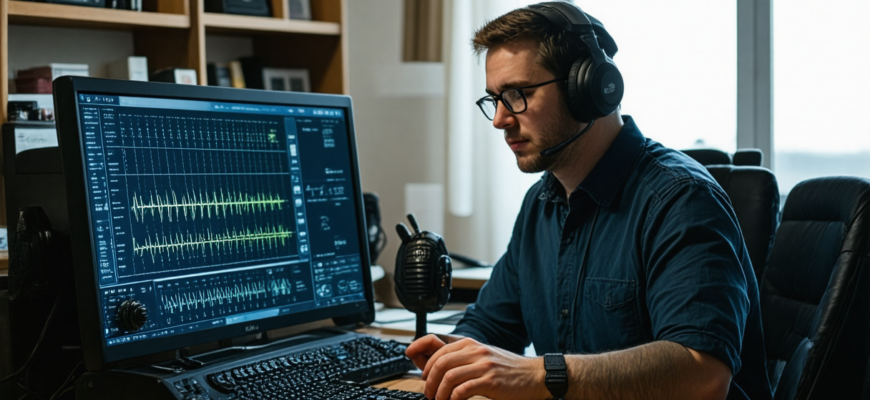
In the world of amateur radio, Morse code, commonly known as CW (Continuous Wave), remains a vital skill even in the digital age. While many enthusiasts embrace modern communication methods, mastering CW offers unique advantages: efficient signal transmission, low power consumption, and a deep connection to the roots of radio communication. As technology evolves, so do training tools. Today’s software solutions provide personalized, immersive, and effective methods to learn and perfect CW skills. This comprehensive guide explores how new training software can transform your approach to Morse code, offering step-by-step insights, practical tips, and a detailed analysis of available tools.
- The Importance of Mastering CW in Amateur Radio
- Key Benefits of Mastering CW
- Challenges in Learning Morse Code
- The Evolution of CW Training: From Traditional to Digital Solutions
- Traditional Training Methods
- The Advent of Digital Training Software
- How New CW Training Software Works
- Core Components of Effective CW Software
- The Mathematical Foundation: The Farnsworth Method
- Top Features to Look for in Modern CW Training Software
- Popular CW Training Software Options
- 1. CW TrainerPro
- 2. Morse Code Ninja
- 3. G4FON Morse Code Tutor
- 4. MorseTrek
- Implementing a Practice Routine Using Modern Software
- Step-by-Step Guide
- Additional Tips for Fast and Accurate Morse Code Skill Development
- The Future of CW Training Technology
- Embracing Modern Software for CW Mastery
- Summary Table: Comparing Top CW Training Software
- Final Thoughts
The Importance of Mastering CW in Amateur Radio
Although Amateur Radio has diversified significantly with digital modes like FT8, PSK31, and digital voice, Morse code remains an essential skill for many operators. The significance of CW is rooted in its simplicity and reliability. During adverse conditions or electromagnetic disturbances, CW can often pierce through noise more effectively than voice or digital modes. Additionally, proficiency in Morse code opens access to a global community of dedicated enthusiasts and historic contests, fostering camaraderie and technical expertise.
Key Benefits of Mastering CW
- Enhanced signal comprehension during noisy conditions
- Access to exclusive contests and awards
- Improved listening skills and auditory discrimination
- Deepen understanding of radio wave propagation
- Legacy preservation and respect for amateur radio history
Challenges in Learning Morse Code
Despite its advantages, many newcomers find learning CW daunting. Common challenges include:
- Memorizing characters and their timing
- Developing speed and accuracy concurrently
- Maintaining motivation during slow progress
- Adapting to different transmission speeds and styles
Overcoming these hurdles requires consistent practice, effective resources, and innovative training methods. Traditional methods, such as books and manual drills, have served generations well, but modern software introduces interactive features that significantly enhance the learning experience.
The Evolution of CW Training: From Traditional to Digital Solutions
Traditional Training Methods
Historically, CW training involved:
- Paper-based copy drills
- Amber or tape-based practice keys
- Listening to recorded Morse signals
- Slow speed copying exercises
While effective, these methods can be monotonous and less adaptable to individual learning paces.
The Advent of Digital Training Software
Modern software solutions harness the power of computers, smartphones, and tablets to deliver dynamic, engaging, and customizable training. Features often include:
- Adjustable speeds and difficulty levels
- Real-time feedback and progress tracking
- Gamified learning modules
- Simulated QSOs (QSO = radio contact) with artificial intelligence
- Multilingual support and accessibility features
How New CW Training Software Works
Core Components of Effective CW Software
Advanced training applications integrate several core elements to optimize learning:
| Component | Description |
|---|---|
| Interactive Character Practice | Encourages recognition of individual Morse symbols through exercises and quizzes. |
| Speed Adjustment | Allows users to set their current skill level, gradually increasing as proficiency improves. |
| Auditory Drills | Focuses on listening comprehension, a critical skill in CW operations. |
| Visual Aids | Displays characters, timing diagrams, and rhythm cues to reinforce learning. |
| Progress Monitoring | Provides detailed statistics to motivate users and identify areas needing improvement. |
| Simulated Communication | Creates authentic QSO scenarios for practical application of skills. |
The Mathematical Foundation: The Farnsworth Method
One popular technique incorporated into software is based on the Farnsworth method, which involves practicing at high speeds but with extended character spacing. The softening of timing helps learners grasp rhythm and recognize patterns quickly. The core formula for Farnsworth timing can be summarized as:
T_total = T_char + T_spacing
where T_char is the duration of a character, and T_spacing is the space between characters. By varying T_spacing, the software gradually trains the user at higher speeds while maintaining clarity.
Top Features to Look for in Modern CW Training Software
Selecting an effective training tool requires understanding which features foster growth. Here are the most impactful:
- Adaptive Difficulty: Automatically adjusts speed and complexity based on user performance.
- Customized Practice Sessions: Allows tailoring exercises for specific skills, e.g., copying messages, decoding signals, or participating in simulated QSOs.
- Gamification: Incorporates badges, levels, and rewards to sustain motivation.
- Multi-Modal Learning: Combines audio, visual, and kinesthetic elements for comprehensive development.
- Mobile Compatibility: Enables learning on-the-go via smartphones and tablets.
- Offline Functionality: Provides access to training materials without internet dependency.
Popular CW Training Software Options
1. CW TrainerPro
A highly versatile application that adapts to all skill levels, offering real-time feedback and extensive customizable settings. Features include:
- Progressive speed presets from 5 WPM to 50+ WPM
- Dictation mode for copying entire messages
- Weekly quizzes to reinforce memory
2. Morse Code Ninja
Designed with gamification at its core, Morse Code Ninja turns CW learning into an engaging challenge. Key features include:
- Levels and achievements system
- Mini-games focused on recognition and decoding
- Sound and visual clues for multisensory learning
3. G4FON Morse Code Tutor
An open-source program that remains popular among beginners due to its simplicity and efficiency. It offers:
- Adaptable speed settings
- Various training modes, including listening and decoding
- Progress tracking with detailed logs
4. MorseTrek
An immersive software that simulates real radio conditions by generating authentic signal patterns, including noise and interference, to prepare users for actual operation. Features include:
- Realistic signal scenarios
- Customizable difficulty levels
- Interactive QSO simulations
Implementing a Practice Routine Using Modern Software
Step-by-Step Guide
- Assessment: Start with a test to determine your current speed and accuracy.
- Set Goals: Define clear objectives—e.g., achieve 20 WPM consistently within three months.
- Weekly Schedule: Dedicate at least 15-30 minutes daily or every other day to practice.
- Diverse Exercises: Incorporate a balance of listening, copying, and simulated QSO sessions.
- Track Progress: Regularly review software reports to monitor improvement.
- Adjust Difficulty: Gradually increase speed and complexity as proficiency grows.
- Practical Application: Participate in local contests or online CW nets to test skills in real-world scenarios.
Additional Tips for Fast and Accurate Morse Code Skill Development
- Consistent Practice: Regular exposure is crucial to internalize patterns and rhythms.
- Focus on Rhythms: Recognize common prosigns and common words to develop contextual understanding.
- Use Quality Equipment: Good speakers and sound cards improve listening clarity.
- Join Community Groups: Engaging with fellow learners offers motivation and practical tips.
- Leverage Multiple Resources: Combine software training with traditional methods for comprehensive learning.
The Future of CW Training Technology
Advancements in artificial intelligence and machine learning promise even more sophisticated training tools. Future developments may include:
- Personalized learning pathways that adapt dynamically to user performance
- Real-time feedback on subtle recognition errors
- Virtual reality environments simulating radio shack conditions
- Integration with SDR (Software Defined Radio) for real-world practice
Embracing Modern Software for CW Mastery
Learning Morse code remains an invaluable asset for amateur radio operators. With the advent of cutting-edge training software, the journey to proficiency becomes more engaging, efficient, and tailored to individual needs. Whether aiming for casual hobbyist communication or serious contesting, effective practice routines supported by modern tools can dramatically shorten learning curves and deepen understanding. Embracing these technological solutions ensures that Morse code continues to thrive as a vital and vibrant aspect of amateur radio heritage.
Summary Table: Comparing Top CW Training Software
| Software | Best For | Main Features | Price |
|---|---|---|---|
| CW TrainerPro | All levels, advanced practice | Progressive speeds, QSOs simulation, analytics | Paid, subscription-based |
| Morse Code Ninja | Gamified learning, motivation | Levels, achievements, mini-games | Freemium |
| G4FON Morse Code Tutor | Beginners, cost-effective | Basic training modes, logs | Free |
| MorseTrek | Realistic signal training | Authentic scenarios, noise simulation | Paid |
Final Thoughts
Modern training software is revolutionizing how amateur radio enthusiasts learn and master Morse code. By combining technology, science, and engaging design, these tools remove much of the frustration traditionally associated with CW learning. Consistent practice with these digital aids ensures operators not only become proficient but also enjoy the process, fostering a lifelong appreciation for Morse code’s legacy and future potential in radio communication.
Похожие записи:
 Emergency Communication Protocols for Ham Radio Operators: The Latest Updates and Best Practices
  New Regulations Affecting Amateur Radio Licensing and Operation: What You Need to Know
  Effective Troubleshooting Guide for Common Radio Hardware Issues in Amateur Radio
  Comprehensive Review of the Latest Transceiver Models on the Market: Innovations and Performance for Amateur Radio Enthusiasts
  Effective Tips for Organizing Successful Ham Radio Contests: A Comprehensive Guide
  Ultimate Guide: Best Practices for Setting Up a Remote Radio Station Accessible Worldwide
  How to Build Your Own Homemade QRP Transceiver: A Comprehensive Guide for Amateur Radio Enthusiasts
  Advances in Battery Technology for Portable Ham Radio Use: Powering the Future of Amateur Radio
  Using APRS for Real-Time Location Tracking and Messaging
  Integrating Internet-Linked Repeater Systems with Traditional Ham Gear: A Comprehensive Guide
  Innovative Antenna Designs for Enhanced HF Performance
  Последние достижения в области цифровых средств связи в любительском радио: инновации и будущее