
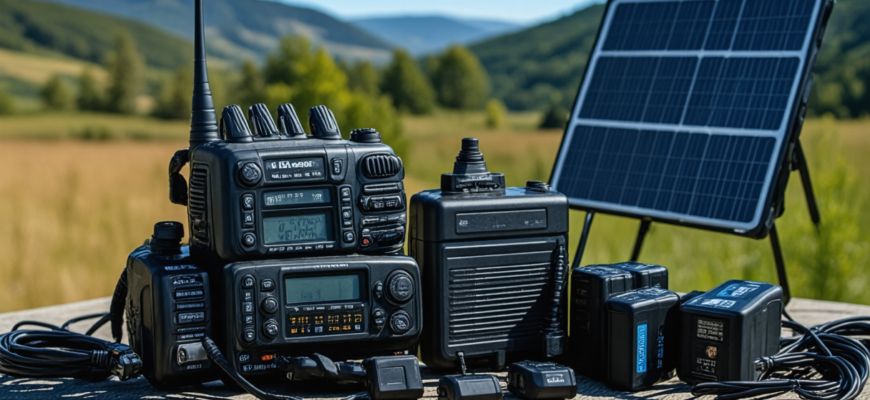
In the world of amateur radio, portability and reliable power sources are cornerstones for effective and spontaneous communication. As technology continues to evolve, so do the batteries that power portable ham radios. Recent breakthroughs have radically transformed the landscape, offering longer operating times, faster charging, and lighter, more durable designs. This comprehensive exploration delves into the latest advances in battery technology tailored for portable amateur radio applications, equipping enthusiasts and operators with the knowledge to optimize their gear for any situation.
- Why Battery Technology Matters for Ham Radio Enthusiasts
- Historical Perspective: From Lead-Acid to Lithium-Ion
- Current State-of-the-Art Battery Technologies for Portable Ham Radios
- 1. Lithium Polymer (LiPo) Batteries
- 2. Lithium Iron Phosphate (LiFePO4) Batteries
- 3. Solid-State Batteries
- Technological Innovations Fuelling the Advancements
- 1. Enhanced Electrolytes
- 2. Battery Management Systems (BMS)
- 3. Fast Charging Technologies
- Battery Capacity and Performance Metrics
- Practical Considerations for Selecting Batteries for Portable Ham Radio Operations
- 1. Power Needs and Usage Scenarios
- 2. Environmental Conditions
- 3. Size and Weight Constraints
- 4. Safety and Compliance
- Emerging Trends and Future Prospects in Battery Technologies for Ham Radio
- 1. Wireless Charging and Fast Recharge
- 2. Development of Ultra-Light Batteries
- 3. Sustainability and Recycling
- How to Maintain and Maximize Battery Life for Ham Radio Use
- Embracing the Future of Portable Power in Amateur Radio
- References and Further Reading
Why Battery Technology Matters for Ham Radio Enthusiasts
Portable ham radio operators often find themselves in remote areas with limited access to power grids. The key to successful field operations, emergency communications, and outdoor adventures hinges significantly on the quality and efficiency of the batteries used. Traditional battery sources, such as lead-acid or standard NiMH packs, have served well but come with limitations—heavy weight, limited capacity, long recharge times, and environmental concerns. The ongoing evolution of battery technology mitigates these issues, fostering innovations that enhance portability, longevity, and performance.
Historical Perspective: From Lead-Acid to Lithium-Ion
Battery development for portable radio applications has a storied history:
- Lead-Acid Batteries: Heavy and bulky, suitable mainly for stationary use and emergency backup.
- Nickel-Cadmium (NiCd): Slightly lighter but suffering from memory effect and environmental concerns.
- Nickel-Metal Hydride (NiMH): Improved capacity and reduced toxicity, yet still rather heavy for portable applications.
- Lithium-Ion (Li-ion): The current standard—lightweight, high energy density, and fast recharge capabilities.
Current State-of-the-Art Battery Technologies for Portable Ham Radios
1. Lithium Polymer (LiPo) Batteries
LiPo batteries have become the preferred choice among amateur radio operators due to their high energy density and flexible form factors. They are lightweight and capable of delivering high current loads necessary for transmitting power-hungry radios. Advances include solid polymer electrolytes, which enhance safety and durability, making them suitable for rugged outdoor environments.
2. Lithium Iron Phosphate (LiFePO4) Batteries
LiFePO4 batteries offer a longer cycle life and greater thermal stability compared to traditional Li-ion variants. They are less prone to overheating and thermal runaway, making them a safer choice for field operations. Although slightly heavier, their longevity—up to 2000 charge cycles—presents a compelling advantage.
3. Solid-State Batteries
Emerging technology in the battery industry, solid-state batteries promise even higher energy densities, faster charging times, and improved safety profiles. Though still in developmental stages, prototypes showcase promising performance metrics that could revolutionize portable ham radio power sources in the near future.
Technological Innovations Fuelling the Advancements
1. Enhanced Electrolytes
Innovations such as gelled electrolytes and solid electrolytes improve energy density and safety. These developments reduce the risk of leakage and thermal runaway, critical for portable applications exposed to varying environmental conditions.
2. Battery Management Systems (BMS)
Modern batteries increasingly incorporate sophisticated BMS to monitor charge cycles, prevent overcharging and over-discharging, balance cell voltage, and optimize performance. This leads to longer battery lifespan and safer operation during long-term field use.
3. Fast Charging Technologies
New charging algorithms and higher current capabilities allow rapid recharge, which is vital during operations where downtime must be minimized. Technologies such as USB Power Delivery and proprietary fast-charging modules are becoming commonplace in portable ham radio batteries.
Battery Capacity and Performance Metrics
To evaluate batteries for portable ham radio use, consider the following key specifications:
| Parameter | Description |
|---|---|
| Capacity (mAh or Ah) | The total charge the battery can store. Higher capacity translates to longer operation times. |
| Voltage (V) | The nominal voltage. Radio equipment typically operates between 7.2V to 14V depending on the device. |
| Discharge Rate (C rating) | The rate at which a battery can safely discharge without damage. Higher C ratings support higher current draw, essential for transmission. |
| Cycle Life | Number of charge/discharge cycles before capacity drops below 80% of original. Longer cycle life reduces long-term costs. |
| Weight | Crucial for portable operations; lighter batteries are preferable but must balance with capacity and safety. |
Practical Considerations for Selecting Batteries for Portable Ham Radio Operations
1. Power Needs and Usage Scenarios
Assess the typical duration and power requirements of operations. For example, emergency field days may require batteries with high capacity and fast recharge, whereas short field tests may prioritize light weight and compactness.
2. Environmental Conditions
Rugged environments demand batteries with high thermal stability and resistance to vibration and moisture. Lithium Iron Phosphate batteries excel in these environments, offering safety even under extreme conditions.
3. Size and Weight Constraints
Portability is key; choosing batteries that provide optimal capacity-to-weight ratios enhances mobility. Modular battery packs allow for scalable configurations tailored to specific missions.
4. Safety and Compliance
Always select batteries with built-in safety features such as protection circuits, thermal fuses, and certifications like UN38.3, ensuring safe transport and usage in various settings.
Emerging Trends and Future Prospects in Battery Technologies for Ham Radio
1. Wireless Charging and Fast Recharge
Integrating wireless charging pads compatible with portable batteries could streamline recharging processes, especially in remote locations. Additionally, advances in fast-charging units will further reduce downtime during extended field operations.
2. Development of Ultra-Light Batteries
Research into nanomaterials and solid-state electrolytes promises batteries that are not only safer but also significantly lighter, enabling longer operation times with less burden.
3. Sustainability and Recycling
Environmental considerations are leading to development of recyclable battery chemistries. Lithium-ion batteries with minimal toxic components are becoming more prevalent, aligning with eco-friendly practices among amateur radio operators.
How to Maintain and Maximize Battery Life for Ham Radio Use
- Proper Charging: Avoid overcharging and deep discharges; use recommended chargers and BMS features.
- Storage: Store batteries in cool, dry environments; avoid prolonged exposure to high temperatures.
- Regular Testing: Periodically check capacity and internal resistance to anticipate replacements.
- Balancing Cells: Ensure multi-cell packs are balanced to maximize lifespan and performance.
Embracing the Future of Portable Power in Amateur Radio
The landscape of battery technology for portable ham radio use is rapidly advancing, driven by innovations that prioritize safety, longevity, weight reduction, and environmental sustainability. Lithium-based chemistries, especially Lithium Iron Phosphate and emerging solid-state batteries, are setting new standards for mobile power sources. Coupled with intelligent management systems and rapid charging technologies, these batteries empower amateur radio operators to push the boundaries of field operation, emergency preparedness, and outdoor exploration.
As the industry continues to innovate, enthusiasts should stay informed about the latest developments and carefully select batteries that match their specific needs. The future promises even more exciting breakthroughs, making portable ham radio operations more efficient, safer, and enjoyable.
References and Further Reading
- Battery University – Comprehensive resource on battery technologies.
- Amateur Radio Resources – Latest trends and tips for operators.
- Solid-State Battery Developments – Deep dive into emerging battery innovations.
- International Advanced Research in batteries – Research projects and future prospects.
By understanding and leveraging the latest advances in battery technology, amateur radio operators can ensure reliable, efficient, and portable power sources that elevate their field operations and emergency preparedness. Embracing these innovations paves the way for a more connected and resilient amateur radio community.
Похожие записи:
 Effective Troubleshooting Guide for Common Radio Hardware Issues in Amateur Radio
  New Regulations Affecting Amateur Radio Licensing and Operation: What You Need to Know
  Emergency Communication Protocols for Ham Radio Operators: The Latest Updates and Best Practices
  Innovative Antenna Designs for Enhanced HF Performance
  Ultimate Guide: Best Practices for Setting Up a Remote Radio Station Accessible Worldwide
  Последние достижения в области цифровых средств связи в любительском радио: инновации и будущее