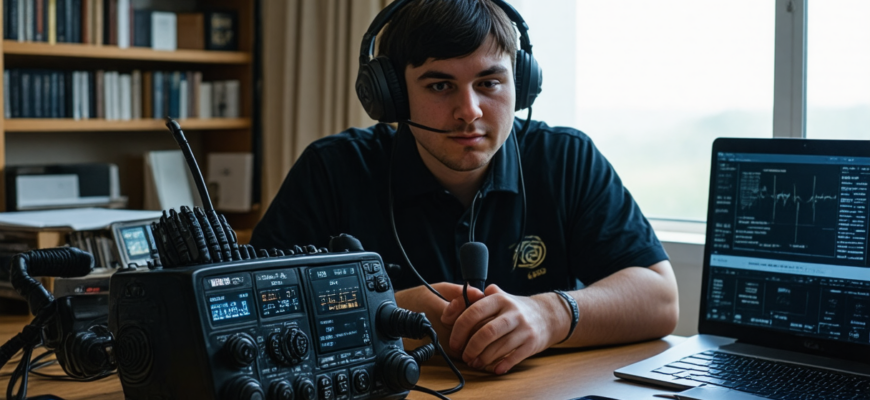
In today’s interconnected world, digital voice conferences have revolutionized how amateur radio enthusiasts communicate across distances. Gone are the days of relying solely on analog modes; now, digital platforms offer crystal-clear audio, innovative features, and global reach, making participation more engaging and efficient. However, effective engagement in these digital voice conferences requires more than just pressing the transmit button. It entails understanding the technology, etiquette, and strategies that maximize your contribution and improve the overall experience for everyone involved. This comprehensive guide explores the essential aspects of meaningful participation in digital voice conferences for amateur radio operators, whether beginners or seasoned veterans.
- Understanding Digital Voice Conferencing in Amateur Radio
- What Are Digital Voice Conferences?
- The Rise of Digital Modes in Amateur Radio
- Core Principles of Effective Participation in Digital Voice Conferences
- 1. Technical Preparation and Knowledge
- 2. Protocols and Etiquette in Digital Communications
- 3. Effective Use of Digital Conference Features
- Strategies to Maximize Your Engagement
- 1. Preparation and Knowledge Sharing
- 2. Active Listening and Observation
- 3. Contributing Meaningfully
- 4. Managing Your Audio and Connection Quality
- Common Challenges and How to Overcome Them
- 1. Latency and Audio Lag
- 2. Signal Interference and Bad Audio
- 3. Managing Large or Multiple Conference Groups
- Enhancing Your Skills and Knowledge
- 1. Participate Regularly
- 2. Join Specialized Groups or Clubs
- 3. Continuous Learning and Training
- Useful Tools and Resources
Understanding Digital Voice Conferencing in Amateur Radio
What Are Digital Voice Conferences?
Digital voice conferences are real-time communication sessions conducted over digital radio systems, allowing multiple participants to exchange messages through a shared channel. Unlike traditional analog simplex or repeater operations, digital platforms facilitate high-quality, noise-free audio, better signal encryption, and often additional features like text chat, packet data sharing, and remote control functionalities. They are typically conducted via specific digital modes such as DMR, D-STAR, Yaesu System Fusion (C4FM), or using software-based digital voice over IP (VoIP) systems like EchoLink or IRLP.
The Rise of Digital Modes in Amateur Radio
The transition to digital has been driven by several benefits:
- Superior Audio Quality: Digital signals are less susceptible to static and interference, delivering clearer sound.
- Efficient Spectrum Use: Digital modes enable multiple channels to coexist over the same frequency band.
- Additional Data Capabilities: Sent alongside audio, text messages, GPS data, and telemetry can be shared seamlessly.
- Enhanced Privacy and Security: Digital encryption can secure communication channels.
Core Principles of Effective Participation in Digital Voice Conferences
1. Technical Preparation and Knowledge
Before engaging in digital voice conferences, a solid understanding of the technical infrastructure is vital:
- Equipment Setup: Ensure your radio, digital interface, and associated software are correctly configured. This includes firmware updates, calibration, and correct frequency settings.
- Understanding Digital Modes: Familiarize yourself with the specific digital mode used (e.g., DMR, D-STAR, C4FM, or VoIP-based systems). Know the protocol for connecting, transmitting, and disconnecting.
- Testing Your System: Conduct test transmissions to verify audio clarity, proper encoding, and connectivity.
2. Protocols and Etiquette in Digital Communications
Effective participation demands adherence to established radio etiquette to promote respectful and constructive conversations:
- Identify Clearly: Always state your call sign before speaking, adhering to legal requirements and common etiquette.
- Use Clear Speech: Speak slowly and clearly to accommodate digital audio compression and potential latency.
- Respect the Turn-Taking: Wait for pauses and avoid overlapping transmissions, especially on shared channels.
- Be Concise: Keep messages brief and relevant to maximize the flow of information.
- Avoid Personal Conversations: Focus on topics of interest to the group or community while maintaining professionalism.
3. Effective Use of Digital Conference Features
Modern digital platforms typically come with features that enhance communication. Learning to leverage these features can significantly improve your participation:
- Push-to-Talk (PTT): Use PTT responsibly; avoid accidental transmissions or holding the button too long.
- Text Messaging: Use chat features for sharing URLs, photos, or quick information without interrupting the main conversation.
- Sonograms and Signal Data: Pay attention to signal strength and quality indicators to assess connection status.
- Private Messaging and Group Calls: Use private channels for sensitive or specific discussions without disrupting the main conference.
Strategies to Maximize Your Engagement
1. Preparation and Knowledge Sharing
Being well-prepared for the conference increases your contribution’s value:
- Research the topics likely to be discussed.
- Prepare questions or comments in advance.
- Familiarize yourself with the audience and their interests.
- Have reference materials, call signs, or logs handy for quick sharing.
2. Active Listening and Observation
Effective participation isn’t just about speaking; listening plays a crucial role:
- Pay attention to ongoing discussions.
- Note the key points and context before jumping in.
- Use the digital platform’s features to signal your intention to speak.
3. Contributing Meaningfully
To make your contributions valuable:
- Ensure your message adds relevance or value.
- Stay on-topic; avoid side conversations unless appropriate.
- Use appropriate technical language and clarity.
- Share practical information, experiences, or insights that benefit others.
4. Managing Your Audio and Connection Quality
Stable and clear audio is essential for effective communication:
- Use Good Equipment: Invest in a quality microphone, headset, or speaker for clearer audio.
- Optimize Your Environment: Minimize background noise and echo.
- Check Your Network: Ensure a stable internet or radio connection to prevent lag or dropouts.
- Adjust Audio Settings: Tweak volume and compression settings for optimal clarity.
Common Challenges and How to Overcome Them
1. Latency and Audio Lag
Digital systems may introduce slight delays, causing speech overlaps or awkward gaps. To mitigate this:
- Pause briefly after speaking to allow others to respond.
- Use the “push-to-talk” feature responsibly, avoiding holding it down unnecessarily.
2. Signal Interference and Bad Audio
Interference can distort the audio. Solutions include:
- Check and improve your antenna or connection quality.
- Switch to a less congested frequency or time slot if possible.
- Update your firmware and software regularly.
3. Managing Large or Multiple Conference Groups
When many participants are involved:
- Use “raise hand” features if available to indicate your desire to speak.
- Follow the moderator’s instructions regarding speaking turns.
- Be patient, and only speak when acknowledged.
Enhancing Your Skills and Knowledge
1. Participate Regularly
The best way to improve is consistent participation. Engage in various conferences, listen to experienced operators, and learn from their practices.
2. Join Specialized Groups or Clubs
Many amateur radio communities organize digital voice conferences focused on specific interests like emergency communications, DXing, or technical discussions.
3. Continuous Learning and Training
Attend webinars, online courses, or workshops on digital modes, radio technology, and communication etiquette to stay current and improve proficiency.
Useful Tools and Resources
| Resource | Description |
|---|---|
| Digital Mode Software | Programs like BrandMeister, Zello, Dante, or VoIP clients for managing digital communication. |
| Online Forums and Communities | QRZ.com, eHam.net, and dedicated digital radio forums for discussion, troubleshooting, and tips. |
| Emergency Communication Guides | ARRL and IARU provide guidelines for effective digital operation during emergencies. |
| Operating Manuals | Manufacturer manuals and user guides for radios and digital interfaces. |
Engaging effectively in digital voice conferences is a vital skill for amateur radio enthusiasts wanting to maximize their communication capabilities. It involves technical know-how, adherence to etiquette, active listening, and respectful contribution. With proper preparation, continuous learning, and thoughtful participation, operators can enjoy richer, clearer, and more productive conversations, ultimately enhancing the amateur radio community as a whole. Embracing the digital age not only broadens reach but also fosters stronger connections among radio amateurs worldwide, paving the way for a more vibrant and resilient communication network.
Похожие записи:
 Comprehensive Review of the Latest Transceiver Models on the Market: Innovations and Performance for Amateur Radio Enthusiasts
  Latest Developments in Spectrum Licensing and Frequency Allocations: A Comprehensive Overview for Amateur Radio Enthusiasts
  New Regulations Affecting Amateur Radio Licensing and Operation: What You Need to Know
  Integrating Internet-Linked Repeater Systems with Traditional Ham Gear: A Comprehensive Guide
  Effective Troubleshooting Guide for Common Radio Hardware Issues in Amateur Radio
  How to Build Your Own Homemade QRP Transceiver: A Comprehensive Guide for Amateur Radio Enthusiasts
  Developing Effective Emergency Preparedness Plans with Ham Radio: A Comprehensive Guide for Amateur Radio Enthusiasts
  Effective Tips for Organizing Successful Ham Radio Contests: A Comprehensive Guide
  Emergency Communication Protocols for Ham Radio Operators: The Latest Updates and Best Practices
  Advances in Battery Technology for Portable Ham Radio Use: Powering the Future of Amateur Radio
  Enhancing CW Skills with Cutting-Edge Training Software: Your Path to Radio Success
  Building a Portable Ham Radio Station for Outdoor Expeditions: The Ultimate Guide
  Ultimate Guide: Best Practices for Setting Up a Remote Radio Station Accessible Worldwide
  Using APRS for Real-Time Location Tracking and Messaging
  Innovative Antenna Designs for Enhanced HF Performance
  Последние достижения в области цифровых средств связи в любительском радио: инновации и будущее