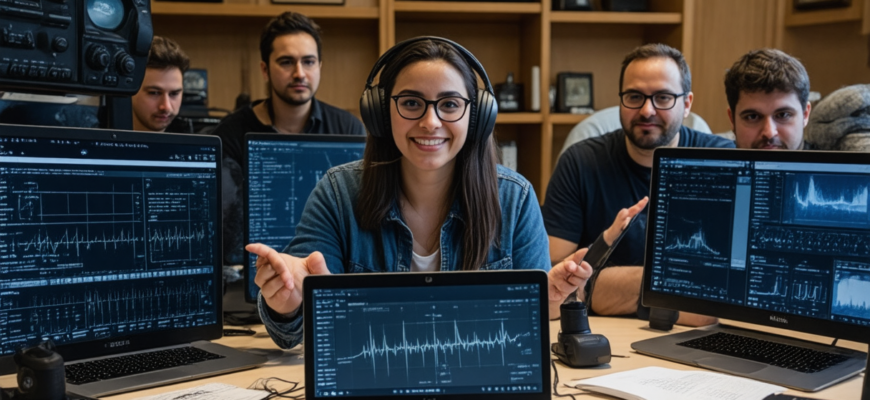
For amateur radio enthusiasts around the globe, this weekend presents an exciting opportunity to enhance skills, connect with fellow operators, and immerse oneself in the vibrant world of radio contests. With the rise of digital platforms and virtual events, participating in online contest workshops has become more accessible than ever. Whether you’re a seasoned veteran or a newcomer eager to learn, this comprehensive guide will walk you through everything you need to know about joining the virtual contest workshops scheduled for this weekend.
- Understanding Virtual Contest Workshops in Amateur Radio
- What Are Virtual Contest Workshops?
- Why Are They Important?
- Benefits of Participating in the Weekend Virtual Workshops
- Flexible Learning Environment
- Cost-Effective Participation
- Interactive and Hands-On Experience
- Key Topics Covered in the Virtual Contest Workshops
- 1. Contest Rules and Regulations
- 2. Station Setup and Optimization
- 3. Operating Strategies
- 4. Log Management and Software Tools
- 5. Post-Contest Data Analysis
- Upcoming Virtual Contest Workshops: Schedule and Registration
- Workshop Schedule Overview
- How to Register
- Preparing for the Virtual Contest Workshops
- Equipment Checklist
- Pre-Workshop Study Recommendations
- Post-Workshop Activities to Maximize Benefits
- Apply Learned Techniques
- Connect with the Community
- Continuous Learning
- Additional Resources for Amateur Radio Contesting
- Recommended Software and Tools
- Key Reading Materials
- Embrace the Digital Era of Amateur Radio Contests
Understanding Virtual Contest Workshops in Amateur Radio
What Are Virtual Contest Workshops?
Virtual contest workshops are online seminars and interactive sessions designed to educate and prepare amateur radio operators for participating effectively in radio contests. These workshops cover technical aspects, contest strategies, legal considerations, and hands-on tips to improve performance during competitive operations. Since these are held online, they offer flexibility, allowing enthusiasts from different regions and time zones to partake without physical travel.
Why Are They Important?
- Skill Development: Gain new techniques for efficient station operation, logging, and score optimization.
- Community Building: Connect with a global network of radio amateurs sharing similar interests.
- Stay Updated: Learn about the latest contest rules, technologies, and best practices.
- Practical Experience: Participate in mock contests and scenario-based trainings to hone real-world skills.
Benefits of Participating in the Weekend Virtual Workshops
Flexible Learning Environment
Online workshops eliminate geographical boundaries, allowing participants to join from anywhere with an internet connection. This flexibility ensures that even busy amateurs can fit learning into their schedules, often with recordings available for later review.
Cost-Effective Participation
Compared to physical seminars, virtual workshops are generally more affordable or free, removing expenses related to travel, accommodation, and venue costs.
Interactive and Hands-On Experience
The best workshops incorporate live Q&A sessions, breakout rooms for group exercises, and demonstrations with actual radio equipment setups, making the experience engaging and practical.
Key Topics Covered in the Virtual Contest Workshops
1. Contest Rules and Regulations
Understanding specific contest rules is crucial for compliance and maximizing scores. Workshops delve into the rules for major contests like CQ Worldwide, ARRL DX, and others, highlighting penalties for violations and strategies for legal compliance.
2. Station Setup and Optimization
Learn optimal station configurations, antenna choices, and equipment maintenance to ensure peak performance during contests. Topics include:
- Choosing the right antennas for different bands
- Effective RF grounding and shielding techniques
- Using noise reduction tools and filters
3. Operating Strategies
Effective contest operation hinges on efficient exchange management and time management. Workshops teach techniques such as:
- Pile-up management
- Calling CQ effectively
- Dealing with contest-specific exchange formats
4. Log Management and Software Tools
Modern contest logging software plays a pivotal role in scoring and data management. Training covers:
- Popular logging programs (e.g., N1MM+, WriteLog)
- Automating data entry and submission
- Using databases and macros to streamline contacts
5. Post-Contest Data Analysis
After the contest, analyzing logs helps identify areas for improvement. Workshops guide on:
- Using score analysis tools
- Performing error checks
- Documenting lessons learned for future events
Upcoming Virtual Contest Workshops: Schedule and Registration
Workshop Schedule Overview
| Date | Time (UTC) | Topic | Target Audience | Registration Link |
|---|---|---|---|---|
| Saturday, October 21 | 14:00 – 17:00 | Contest Rules Deep Dive & Compliance | Beginners and Intermediate Operators | |
| Sunday, October 22 | 10:00 – 13:00 | Station Setup & Technical Optimization | All levels, especially station managers | |
| Sunday, October 22 | 15:00 – 18:00 | Effective Operating & Log Management | Experienced operators |
Note: It is recommended to register in advance to secure a spot and receive joining instructions. Many workshops are free, though some may require a nominal fee for premium content or certification.
How to Register
- Visit the official workshop registration page.
- Fill in your contact information and select the sessions you wish to attend.
- Complete any payment process if applicable.
- Receive confirmation and login details via email.
Preparing for the Virtual Contest Workshops
Equipment Checklist
- Reliable computer or tablet with internet access
- Headphones or speakers for clear audio
- Microphone for active participation
- Pen and notebook for taking notes
- Optional: Radio equipment or software for demonstrations
Pre-Workshop Study Recommendations
- Review recent contest rules from major organizations
- Familiarize yourself with basic radio operation principles
- Explore popular contest logging software options
- Join online amateur radio forums and groups for discussions
Post-Workshop Activities to Maximize Benefits
Apply Learned Techniques
Implement the strategies and tips acquired during the workshops during upcoming contests. Practice station operation, logging, and handling pile-ups more effectively.
Connect with the Community
Join online forums, social media groups, and local clubs to continue discussions and share experiences. Many workshops facilitate follow-up networking opportunities.
Continuous Learning
Attend future workshops, participate in online webinars, and subscribe to amateur radio blogs and magazines for ongoing education.
Additional Resources for Amateur Radio Contesting
Recommended Software and Tools
- N1MM+ Logger: A widely used contest logging program.
- Logbook of The World (LoTW): Certification and log sharing platform.
- WSJT-X: For weak signal modes like FT8.
Key Reading Materials
- ARRL Contesting Manual
- QRZ.com Contest Corner
- Contest University Website
Embrace the Digital Era of Amateur Radio Contests
The shift towards virtual workshops signals an exciting evolution in how amateur radio enthusiasts prepare for and participate in contests. These online sessions provide invaluable knowledge, foster global connections, and help operators sharpen their skills in a flexible and cost-effective environment. With scheduled workshops this weekend, amateurs worldwide have the perfect opportunity to elevate their contest game, expand their understanding, and join a vibrant community dedicated to radio excellence.
Whether you aim to improve your score, learn new technical skills, or simply enjoy the camaraderie of contesting, participating in virtual workshops is a step forward in your amateur radio journey. Prepare your equipment, mark your calendar, and get ready to join a global virtual community of passionate radio operators this weekend.
Похожие записи:
 The Day I Helped Set Up a Remote Station for a Contest
  Portable Antenna Analyzers for Precise Tuning: The Ultimate Guide for Amateur Radio Enthusiasts
  Mastering Multiple Frequency Programming: The Ultimate Guide for Amateur Radio Enthusiasts
  Top Microphone and Speaker Combos for Clear Audio: The Ultimate Guide for Amateur Radio Enthusiasts
  Top Weather-Resistant Microphones for Outdoor Use: The Ultimate Guide for Amateur Radio Enthusiasts
  Ultimate Guide to Staying Organized with Your Radio Accessories: Tips for Amateur Radio Enthusiasts
  Ultimate Guide: Tips to Extend Your Radio’s Battery Life for Amateur Radio Enthusiasts
  Ultimate Guide: Best Practices for Setting Up a Remote Radio Station Accessible Worldwide
  Effective Tips for Organizing Successful Ham Radio Contests: A Comprehensive Guide
  Mastering Regulatory Changes: A Comprehensive Guide for Amateur Radio Enthusiasts
  Getting Started with Digital Modes like FT8 and PSK31: A Complete Guide for Amateur Radio Enthusiasts
  Ultimate Guide to Upgrading Your Amateur Radio Station with New Gear: Top Tips and Strategies
  Harnessing Your Smartphone as a Radio Control and Logging Device: A Comprehensive Guide for Amateur Radio Enthusiasts
  Integrating Software-Defined Radio into Your Daily Operations: A Comprehensive Guide for Amateur Radio Enthusiasts
  Ultimate Guide: Tips for Setting Up Your Home Radio Station
  Unlocking the Power of Connection: The Benefits of Joining Amateur Radio Contesting Communities