
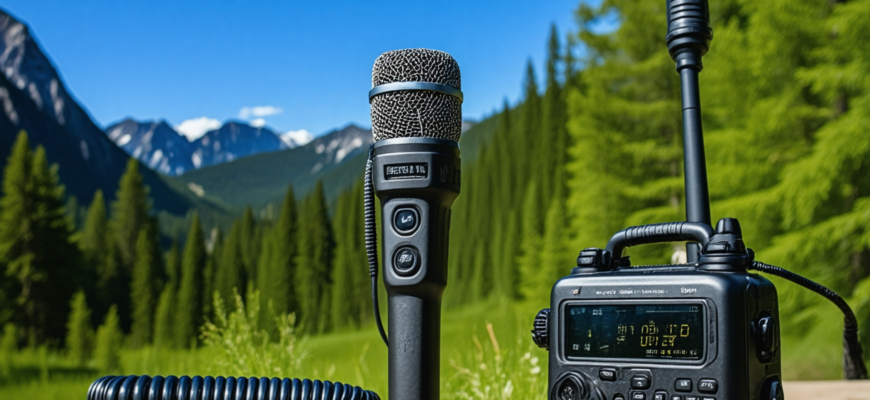
For amateur radio operators, outdoor communication often presents unique challenges. Weather conditions such as rain, snow, humidity, and dust can impair the performance of standard microphones, leading to disrupted transmissions or damaged equipment. Consequently, selecting a weather-resistant microphone specifically designed for outdoor use becomes essential. This comprehensive guide explores the best options on the market, detailing their features, specifications, and suitability for various outdoor conditions, ensuring optimal voice clarity and durability for every radio enthusiast.
- Why is Weather Resistance Important for Outdoor Microphones?
- Types of Weather-Resistant Microphones for Outdoor Use
- 1. Dynamic Microphones
- 2. Condenser Microphones
- 3. Lavalier Microphones
- Key Features to Look for in Weather-Resistant Microphones
- Top Weather-Resistant Microphones for Outdoor Use
- 1. Shure SM58
- 2. Heil Sound PR-40
- 3. Rode Microphones NTG Series
- 4. Sennheiser e935
- 5. Electro-Voice RE50B
- Additional Equipment Enhancements for Outdoor Microphones
- Windshields and Pop Filters
- Protective Cases and Mounts
- Use of Weatherproof Cables
- Formulas and Calculations for Signal Quality in Outdoor Conditions
- Signal-to-Noise Ratio (SNR)
- Effective RF Shielding
- Maintenance and Care Tips for Outdoor Microphones
- Choosing the Best Weather-Resistant Microphone for Your Outdoor Radio Operations
Why is Weather Resistance Important for Outdoor Microphones?
Operating in outdoor environments introduces multiple environmental hazards that can compromise microphone functionality. These include:
- Moisture: Rain, snow, humidity, or splashes can cause corrosion or short circuits.
- Dust and debris: Wind-blown dust, sand, or dirt particles can clog diaphragms or internal components.
- Temperature Variations: Extreme cold or heat can affect electrical components and microphone sensitivity.
- Mechanical shocks: accidental drops or knocks during outdoor activities.
Microphones with weather-resistant features help mitigate these risks, ensuring reliable performance and longer lifespan, critical for maintaining consistent communication during field operations, amateur radio expeditions, or emergency preparedness scenarios.
Types of Weather-Resistant Microphones for Outdoor Use
1. Dynamic Microphones
Ideal for outdoor use due to their rugged design and durability. They feature moving coil diaphragms that are less sensitive to moisture and dust, making them suitable for rough conditions. They generally provide excellent feedback rejection and are less prone to damage from environmental factors.
2. Condenser Microphones
While typically more sensitive and capable of capturing high-fidelity audio, condenser microphones are more susceptible to moisture. However, specially designed weather-resistant condensers with sealed electronics and protective casings are available for outdoor applications.
3. Lavalier Microphones
Small, clip-on microphones that are often used in broadcasting and field operations. When designed with weatherproof coatings, they can be effective for outdoor radio work, especially when discreet or portable recording is needed.
Key Features to Look for in Weather-Resistant Microphones
| Feature | Description |
|---|---|
| IP Rating | International Protection rating indicating dust and water resistance (e.g., IP67, IP68). The higher the number, the better the resistance. |
| Rugged Build | Solid casing materials such as metal or reinforced plastics ensure durability against impacts and environmental stress. |
| Waterproof Coating | Special coatings that protect internal components from moisture intrusion. |
| Shock Mounts | Reduce mechanical vibrations and shocks during outdoor handling or transport. |
| Wind Protection | Includes foam or fur windshields to minimize wind noise during outdoor recordings or transmissions. |
Top Weather-Resistant Microphones for Outdoor Use
1. Shure SM58
The Shure SM58 is a legendary dynamic microphone known for its durability and reliability in live and outdoor settings. Its cardioid polar pattern helps minimize background noise, making it suitable for outdoor radio communications. Although not fully waterproof, its rugged construction and resistance to moisture make it a preferred choice for field use.
2. Heil Sound PR-40
This large-diaphragm dynamic microphone offers excellent longevity and resistance to environmental factors. It features a robust build and is suitable for outdoor field reporting and amateur radio operations that demand high speech clarity under challenging conditions.
3. Rode Microphones NTG Series
The Rode NTG series includes shotgun microphones designed with weather resistance in mind. Featuring rugged metal bodies and weatherproof coatings, these microphones are ideal for outdoor audio capture, especially for video or transmission where directional sound pickup is necessary.
4. Sennheiser e935
Sennheiser’s e935 is a handheld dynamic microphone designed for live outdoor performances and communications. Its rugged construction, resistance to moisture, and high feedback rejection makes it a prime choice for amateur radio operators operating in adverse weather.
5. Electro-Voice RE50B
This omnidirectional dynamic microphone is built with a weatherized design, featuring a heavy-duty casing, internal windscreen, and moisture resistance. Perfect for outdoor interviews, field reports, and mobile broadcasting.
Additional Equipment Enhancements for Outdoor Microphones
Windshields and Pop Filters
Windshields made from foam or fur are critical in outdoor environments to reduce wind noise and protect the microphone capsule. Proper wind protection enhances audio clarity significantly during high-wind conditions or outdoor windy environments.
Protective Cases and Mounts
Using shock-absorbing cases and durable mounts can safeguard microphones from physical shocks and vibrations. Ensuring secure mounting during outdoor activities minimizes the risk of damage.
Use of Weatherproof Cables
High-quality, weatherproof cables prevent moisture ingress and reduce noise and signal loss. Upgrading to cables with UV and water resistance is essential for prolonged outdoor use.
Formulas and Calculations for Signal Quality in Outdoor Conditions
Signal-to-Noise Ratio (SNR)
One key parameter in assessing microphone quality, especially in outdoor settings, is the Signal-to-Noise Ratio (SNR). It indicates how much the desired audio signal exceeds background noise, impacting clarity.
SNR (dB) = 20 log (A_signal / A_noise)
Where:
- A_signal = amplitude of the desired audio signal.
- A_noise = amplitude of ambient noise.
Effective RF Shielding
In radio environments, microphones should be shielded against electromagnetic interference (EMI). The shielding effectiveness (SE) can be estimated by:
SE (dB) = 20 log (E_unshielded / E_shielded)
Where E_unshielded and E_shielded are the electric field strengths before and after shielding, respectively.
Maintenance and Care Tips for Outdoor Microphones
- Regular Cleaning: Remove dust and debris regularly using soft, dry cloths or compressed air.
- Airing Out: Allow the microphone to dry in a warm, ventilated area after exposure to moisture.
- Proper Storage: Store in waterproof cases when not in use, especially during adverse weather forecasts.
- Periodic Inspection: Check seals, connectors, and housings for damage or wear and replace if necessary.
- Calibration: Periodically test and calibrate the microphone to ensure optimal performance.
Choosing the Best Weather-Resistant Microphone for Your Outdoor Radio Operations
The right microphone can dramatically enhance the quality and reliability of outdoor radio communications. While many microphones offer some degree of weather resistance, dedicated models with high IP ratings, rugged construction, and effective wind protection provide the most dependable performance in challenging environments. By understanding the specific needs of outdoor usage—such as resistance to moisture, dust, and mechanical shocks—amateur radio enthusiasts can select the most suitable equipment to ensure their broadcasts are clear, consistent, and professional.
Investing in high-quality, weather-resistant microphones not only safeguards your equipment but also ensures seamless operation during these outdoor adventures. Whether on a mountain summit, in a forest, or during emergency field operations, the right microphone becomes a critical tool for effective and durable communication.
Похожие записи:
 Top Microphone and Speaker Combos for Clear Audio: The Ultimate Guide for Amateur Radio Enthusiasts
  Building a Portable Ham Radio Station for Outdoor Expeditions: The Ultimate Guide
  Rugged Radios for Adventurers and Fieldwork: The Ultimate Guide to Reliable Communication
  Top 10 Portable Ham Radios for On-the-Go Enthusiasts
  Ultimate Guide: Best Practices for Maintaining and Extending the Lifespan of Your Radio Equipment
  Ultimate Guide to Lightning Protection Gear for Your Radio Setup
  Top-Rated HF Transceivers for Experienced Operators: The Ultimate Guide
  How to Build Your Own Homemade QRP Transceiver: A Comprehensive Guide for Amateur Radio Enthusiasts
  Top Accessories to Maximize Your Performance in Digital Mode Amateur Radio Operations
  Top Choices for Budget-Friendly Amateur Radio Equipment: A Comprehensive Guide for Hobbyists
  Integrating Software-Defined Radio into Your Daily Operations: A Comprehensive Guide for Amateur Radio Enthusiasts
  Building a Simple, Low-Cost Antenna Tuner at Home: A Comprehensive Guide for Amateur Radio Enthusiasts
  Wireless Hotspot and Networking Devices for Remote Stations: Enhancing Connectivity for Amateur Radio Enthusiasts
  Comprehensive Review of the Latest Transceiver Models on the Market: Innovations and Performance for Amateur Radio Enthusiasts
  Top Picks for Emergency Radio Kits: Essential Gear for Every Preparedness Kit
  Ultimate Guide: Best Practices for Setting Up a Remote Radio Station Accessible Worldwide