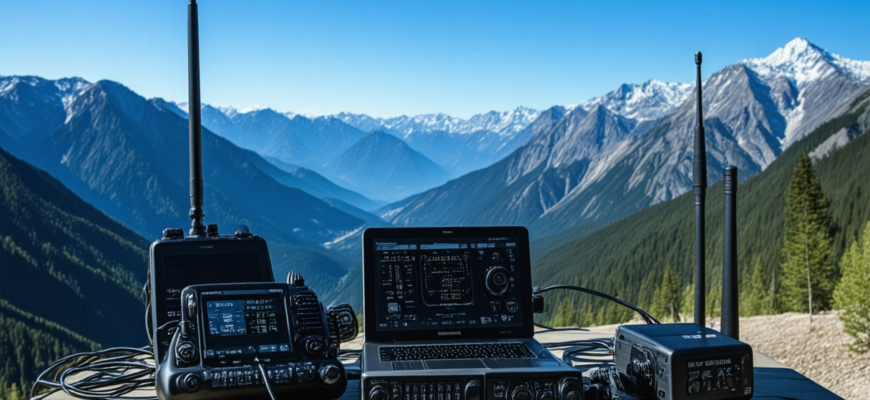
In the evolving landscape of amateur radio, reliable and flexible communication links are essential, especially for remote stations operating in challenging environments. The integration of wireless hotspots and advanced networking devices has revolutionized how radio enthusiasts establish and maintain communication links, enabling expanded coverage, improved data exchange, and increased operational resilience. This comprehensive guide explores the key technologies, device options, implementation strategies, and best practices for setting up effective wireless networking solutions for remote amateur radio stations.
- Understanding the Role of Wireless Hotspots and Networking Devices in Amateur Radio
- The Benefits of Wireless Networking in Remote Radio Operations
- Key Components and Technologies for Wireless Networking in Amateur Radio
- Wireless Access Points (WAPs)
- Wireless Routers
- Repeaters and Range Extenders
- Antennas and RF Components
- Supporting Technologies
- Designing a Wireless Network for Remote Radio Stations
- Step 1: Assessing the Environment and Requirements
- Step 2: Selecting Suitable Hardware
- Step 3: Network Topology Design
- Step 4: Implementation and Optimization
- Practical Use Cases of Wireless Devices in Amateur Radio
- 1. Digital Mode Operations
- 2. Remote Station Control
- 3. Emergency and Disaster Recovery
- 4. Community Networking
- Security Considerations for Wireless Networking in Amateur Radio
- Future Trends in Wireless Networking for Amateur Radio
- 1. Wi-Fi 6 (802.11ax)
- 2. Mesh Network Technologies
- 3. Integration with Satellite Systems
- 4. Power Solutions and Renewable Technologies
- Summary: Best Practices for Deploying Wireless Networking Devices at Remote Audio Stations
Understanding the Role of Wireless Hotspots and Networking Devices in Amateur Radio
Amateur radio operators, or hams, traditionally relied on RF (radio frequency) communication for their operations. However, with technological advances, the use of internet-based networking tools has become increasingly common. Wireless hotspots and networking devices serve as bridges, connecting remote radio stations to the broader global network or creating local communication networks that extend operational range and reliability.
The Benefits of Wireless Networking in Remote Radio Operations
- Expanded Coverage: Wireless access points and hotspots can extend communication reach beyond line-of-sight limitations.
- Higher Data Throughput: Modern devices support high-speed data transmission, facilitating the exchange of digital modes and multimedia content.
- Enhanced Stability and Resilience: Redundant networks and multiple access points improve reliability, especially in environments prone to interference.
- Remote Management: Network devices often include remote configuration and monitoring capabilities, vital for distant stations.
- Integration of Digital Protocols: Support for protocols such as VoIP, D-STAR, and System Fusion enables multifaceted communication options.
Key Components and Technologies for Wireless Networking in Amateur Radio
Implementing wireless connectivity at remote stations involves selecting appropriate hardware and understanding underlying technology principles. The core components include wireless access points, routers, repeaters, antennas, and supporting network infrastructure. Below is an outline of essential technologies and their functions.
Wireless Access Points (WAPs)
Wireless access points serve as central hubs, broadcasting Wi-Fi signals within a designated area. They can connect multiple devices, provide network segmentation, and support advanced security features. For remote stations, portable or fixed WAPs with ruggedized enclosures are recommended.
Wireless Routers
Routers combine routing functions with wireless access point capabilities. They allow for creating localized networks, managing traffic, and integrating wired and wireless devices. Modern routers support multiple SSIDs, VPNs, and advanced security protocols suitable for amateur radio applications.
Repeaters and Range Extenders
To extend coverage beyond initial range, repeaters or range extenders amplify wireless signals. They are especially useful where terrain or obstacles hinder direct communication between stations and core networks.
Antennas and RF Components
- Directional Antennas: Focus signal strength in specific directions, ideal for point-to-point links.
- Omnidirectional Antennas: Provide broad coverage in all directions, suitable for broadcast coverage within a local area.
- High-Gain Antennas: Increase effective range and signal quality.
Supporting Technologies
- VPN (Virtual Private Network): Ensures secure remote access.
- Power over Ethernet (PoE): Simplifies device deployment by providing power through network cables.
- Mesh Networking: Offers resilient network topologies where multiple devices connect dynamically.
Designing a Wireless Network for Remote Radio Stations
Creating an effective wireless network involves careful planning, considering environmental factors, operational requirements, and future scalability. The process encompasses network topology design, hardware selection, and deployment strategies.
Step 1: Assessing the Environment and Requirements
- Site Survey: Conduct a thorough analysis of the terrain, obstacles, and interference sources.
- Coverage Areas: Define zones requiring network access or radio connectivity.
- Bandwidth Needs: Determine data throughput requirements based on digital modes, streaming, or remote control operations.
- Power Sources: Identify power availability for hardware, considering solar options if necessary.
Step 2: Selecting Suitable Hardware
Choose devices based on environmental durability, performance specifications, and compatibility with existing systems. For example:
| Device Type | Recommended Features | Examples |
|---|---|---|
| Wireless Access Point | Outdoor rated, dual-band, supports multiple SSIDs, supports PoE | Ubiquiti NanoStation, MikroTik outdoor access points |
| Router | VPN support, firmware upgradeability, multiple LAN ports | Arkady RUTX, OpenWRT-compatible routers |
| Antennas | Directional or omnidirectional, high gain, weatherproof | Yagi antennas, sector antennas |
Step 3: Network Topology Design
Define the physical and logical layout, considering:
- Point-to-point links for connecting distant stations
- Star topology with central access points
- Mesh networks for redundancy and resilience
Step 4: Implementation and Optimization
Set up devices according to the planned topology, configure security settings, and perform signal tests. Optimization involves adjusting antenna orientation, channel selection, and power output to minimize interference and maximize coverage.
Practical Use Cases of Wireless Devices in Amateur Radio
1. Digital Mode Operations
Digital modes like FT8, PSK31, or D-STAR require stable, high-speed data links. Wireless hotspots facilitate seamless digital communication, especially in remote areas lacking wired infrastructure.
2. Remote Station Control
Remote station operators often use VPNs and secure Wi-Fi networks to access their equipment, monitor performance, and make adjustments, all from a distance.
3. Emergency and Disaster Recovery
Wireless networking plays a crucial role in emergency situations, providing resilient communication channels when traditional infrastructure is compromised.
4. Community Networking
Amateurs frequently create local networks (Li-Fi, mesh Wi-Fi) for club activities, ragchews, and shared digital resources.
Security Considerations for Wireless Networking in Amateur Radio
Securing wireless networks is crucial to prevent unauthorized access, interference, and malicious attacks. Best practices include:
- Strong Encryption: Use WPA3 or at least WPA2 encryption protocols.
- Complex Passwords: Set robust, unique passwords for network access points.
- Network Segmentation: Isolate critical operational networks from guest networks.
- Firmware Updates: Regularly update device firmware to patch vulnerabilities.
- Monitoring: Use network management tools to detect anomalies and unauthorized devices.
Future Trends in Wireless Networking for Amateur Radio
The emerging landscape promises several technological advancements that will further empower amateur radio operators:
1. Wi-Fi 6 (802.11ax)
Offering higher throughput, better performance in crowded environments, and enhanced efficiency, Wi-Fi 6 will benefit digital modes and multimedia streaming.
2. Mesh Network Technologies
Widely adopted in commercial applications, mesh networks provide scalable, self-healing configurations vital for large remote station networks.
3. Integration with Satellite Systems
New satellite internet services enable remote stations to achieve near-global connectivity, working in tandem with wireless ground networks.
4. Power Solutions and Renewable Technologies
Advances in low-power hardware and solar-powered units will make operating remote stations more sustainable and autonomous.
Summary: Best Practices for Deploying Wireless Networking Devices at Remote Audio Stations
Combining the insights above, here are consolidated best practices for achieving robust, secure, and efficient wireless networks tailored for amateur radio remote stations:
- Conduct comprehensive site assessments before deployment.
- Select weatherproof, high-performance hardware suited for outdoor environments.
- Design network topology with redundancy and scalability in mind.
- Implement strong security measures, including encryption and access controls.
- Optimize antenna placement and orientation for maximum coverage and minimal interference.
- Regularly monitor, update, and maintain network devices.
- Leverage advanced technologies like mesh networking and satellite links where applicable.
The integration of wireless hotspots and networking devices has opened new horizons for amateur radio operators working with remote stations. By leveraging modern hardware, thoughtful design, and security best practices, enthusiasts can ensure reliable, high-speed, and secure connectivity across challenging terrains and distant locations. As technology continues to evolve, the possibilities for remote operation, digital modes, and emergency communication will expand, making wireless networking an indispensable component of contemporary amateur radio activities.
Похожие записи:
 Ultimate Guide: Best Practices for Setting Up a Remote Radio Station Accessible Worldwide
  Mastering DXing: Expert Tips for Contacting Rare Amateur Radio Stations
  The Future of Amateur Radio with Emerging Technologies
  Integrating Software-Defined Radio into Your Daily Operations: A Comprehensive Guide for Amateur Radio Enthusiasts
  Revolutionizing Communications: The Latest Software Updates Enhancing Digital Modes in Amateur Radio
  Developing Effective Emergency Preparedness Plans with Ham Radio: A Comprehensive Guide for Amateur Radio Enthusiasts
  Integrating Internet-Linked Repeater Systems with Traditional Ham Gear: A Comprehensive Guide
  Latest Developments in Spectrum Licensing and Frequency Allocations: A Comprehensive Overview for Amateur Radio Enthusiasts
  Comprehensive Review of the Latest Transceiver Models on the Market: Innovations and Performance for Amateur Radio Enthusiasts
  Mastering Regulatory Changes: A Comprehensive Guide for Amateur Radio Enthusiasts
  Enhancing CW Skills with Cutting-Edge Training Software: Your Path to Radio Success
  Unlocking the Power of Connection: The Benefits of Joining Amateur Radio Contesting Communities
  Building a Simple, Low-Cost Antenna Tuner at Home: A Comprehensive Guide for Amateur Radio Enthusiasts
  Top Picks for Emergency Radio Kits: Essential Gear for Every Preparedness Kit
  Top Choices for Budget-Friendly Amateur Radio Equipment: A Comprehensive Guide for Hobbyists
  High-Gain Antennas for Long-Distance Communication: Unlocking Extended Reach in Amateur Radio