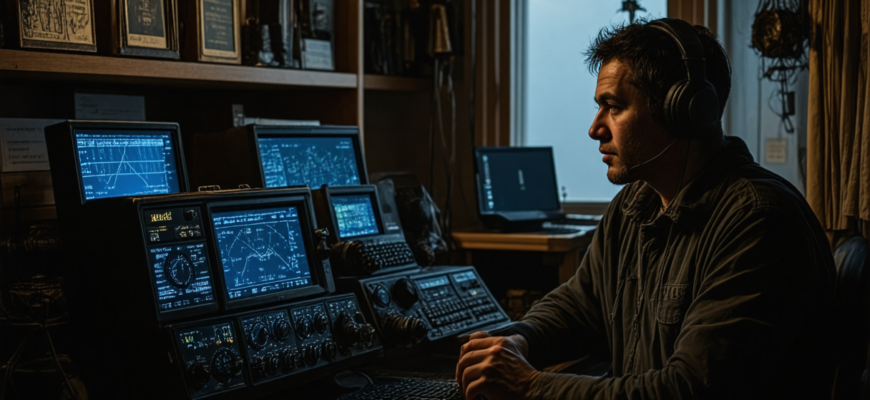
DXing — the art and science of making long-distance radio contacts — is a compelling pursuit within the amateur radio community. For many operators, the pinnacle of DXing is successfully establishing communication with rare or elusive stations. Whether it’s a special event station, a rare DX entity, or a station operating in challenging conditions, effective strategies can significantly enhance your chances of a successful contact.
This comprehensive guide delves into proven techniques, equipment tips, propagation understanding, and operating strategies designed to optimize your efforts when working rare stations. By mastering these aspects, amateur radio operators can enjoy increased success rates, contribute to global communication networks, and deepen their appreciation of radio propagation phenomena.
- Understanding the Challenge of Working Rare Stations
- Technical Preparation and Equipment Optimization
- Choosing the Right Equipment
- Antenna Considerations
- Optimizing Your Station for DXing
- Understanding Radio Propagation for Effective DXing
- The Fundamentals of Propagation
- Utilizing Propagation Forecasts
- Band Selection Based on Propagation
- Effective Operating Strategies for Contacting Rare Stations
- Research and Planning
- Spotting, Listening, and Log Preparation
- Making Effective Calls
- Logging and Post-Contact Procedures
- Special Techniques and Tips for Working Rare Stations
- Using Digital Modes
- Participating in Contest Events and Special Calls
- Leveraging Social Media and Online Communities
- Enhancing Success Through Patience and Persistence
- Becoming a Successful DXer
Understanding the Challenge of Working Rare Stations
Before exploring practical tips, it’s vital to understand what makes rare station work both challenging and rewarding. Rare stations are often characterized by:
- Limited or infrequent transmission windows.
- Exceptional geographical, technical, or operational conditions.
- High competition among multiple operators vying for the same station.
- Special event or commemorative stations operating under strict licensing or abbreviated schedules.
Overcoming these challenges requires strategic planning, technical proficiency, and patience. The following sections outline how to approach these obstacles effectively.
Technical Preparation and Equipment Optimization
Choosing the Right Equipment
Successful DXing begins with reliable equipment tailored to the operating conditions. Key components include:
- Transceiver: A high-quality transceiver with good sensitivity and low noise figure enhances reception and transmission quality.
- Antennas: Directional antennas such as Yagi or Beam antennas provide better gain and control, critical for targeting distant stations.
- Receiver Accessories: Items like antenna tuners, preamplifiers, and filters reduce noise and improve signal clarity.
Antenna Considerations
The antenna setup directly influences your ability to pick up weak signals from rare stations. Consider:
- Using high-gain directional antennas to focus on the station’s location.
- Adjusting antenna orientation based on propagation conditions and station location.
- Implementing multi-band antennas to operate across various frequency ranges effectively.
Optimizing Your Station for DXing
Maximize your station’s performance by:
- Ensuring all connections are secure and free of corrosion.
- Using quality cables and connectors to minimize signal loss.
- Implementing RF grounding to reduce interference and improve SWR (Standing Wave Ratio).
- Running regular maintenance and calibration of radio gear.
Understanding Radio Propagation for Effective DXing
The Fundamentals of Propagation
Radio wave propagation is the key to reaching distant, rare stations. Factors influencing propagation include:
- Frequency Range: Lower HF bands (80m, 40m, 20m) typically provide longer-distance contacts.
- Solar Activity: Sunspots and solar flux levels dramatically affect ionospheric conditions.
- Time of Day: Propagation windows vary; for example, evening and nighttime often favor certain bands.
- Seasonal Variations: Seasons influence the ionosphere differently, creating optimal periods for DXing.
Utilizing Propagation Forecasts
Tools like VOACAP, Sunspot Index, and real-time propagation reports assist operators in predicting the best times and bands for contacting rare DX stations.
Band Selection Based on Propagation
| Band | Typical Propagation Conditions | Best Time to Use |
|---|---|---|
| 80m | Good for regional and some long-distance contacts at night | Evenings, nighttime, and early mornings |
| 40m | Long-distance contacts during daytime and sunset | Daytime and early evening |
| 20m | Excellent for DX during daytime; solar maximum enhances openings | Midday to late afternoon |
| 15m & 10m | Very effective during peak solar activity | Daytime during high solar flux periods |
Effective Operating Strategies for Contacting Rare Stations
Research and Planning
Advance preparation increases success rate. Before attempting a contact, gather:
- Station information: Callsign, operator details, operating hours.
- Propagation conditions: Forecasts and past experience.
- Current band activity: Monitor spotting networks and online DX clusters.
- Equipment readiness: Ensure gear and antennas are tuned and functioning properly.
Spotting, Listening, and Log Preparation
Active engagement with spotting networks such as ClubLog, DX Summit, or WhatsApp groups allows operators to know when rare stations are active and where they are transmitting. Listening carefully before calling ensures that:
- You respond to the correct station on the correct frequency.
- You identify specific details or signals that confirm you are working the intended station.
Making Effective Calls
When attempting to contact a rare station:
- Listen first: Confirm the station’s operating frequency and ongoing QSOs.
- Use a succinct call sign: Follow standard CQ or contest calling procedures.
- Provide necessary information: Transmit your callsign clearly, possibly along with report and location if requested.
- Be patient and persistent: Wait for a reply, avoid unnecessary repetitions, and follow the station’s communications style.
Logging and Post-Contact Procedures
Accurate logging is crucial, especially for rare DX contacts that may be part of awards or confirmations. Ensure your log contains:
- Dates and times (UTC).
- Frequency and mode used.
- Both stations’ callsigns and signal reports.
- Additional information such as grid locator or station name if applicable.
Following up with QSL cards, electronic confirmations, or LoTW entries sustains the hobby and encourages continued efforts.
Special Techniques and Tips for Working Rare Stations
Using Digital Modes
Digital communication modes like FT8, RTTY, or PSK31 offer higher sensitivity and decode weak signals better than traditional voice modes. Many rare stations operate digital modes to maximize contact opportunities. Tips include:
- Ensure proper sound card configuration and software setup.
- Use scripting or automation to monitor bands and modes.
- Be patient; digital modes often require precise setup and timing.
Participating in Contest Events and Special Calls
Contests often feature rare or special event stations. Participating increases opportunities for contacts with elusive operators. Remember:
- Review contest rules and multiplier stations.
- Coordinate with teams or clusters for optimized contacts.
- Use logging software compatible with contest logs.
Leveraging Social Media and Online Communities
Joining online forums, Facebook groups, and Twitter communities provides real-time updates on rare station activations. Active participation helps:
- Receive timely alerts about station activity.
- Share best practices and ask for advice.
- Coordinate skeds with other operators.
Enhancing Success Through Patience and Persistence
Working rare stations sometimes requires multiple attempts over different days and times. Maintain a positive attitude, record all attempts, and analyze what strategies yield the best results. Remember that conditions on the radio spectrum are ever-changing, and patience often results in the ultimate success.
Becoming a Successful DXer
Mastering DXing and working rare stations involves a blend of technical skills, strategic planning, understanding propagation, and persistent operation. Employing the right equipment, staying informed about current propagation conditions, engaging actively with the amateur radio community, and practicing patience are the cornerstones of success. Over time, these efforts not only expand one’s DX record but also deepen the appreciation of the global radio communication harmony.
By applying these expert tips, amateur radio enthusiasts can significantly increase their chances of catching elusive signals, contributing meaningfully to the worldwide amateur radio community, and enjoying one of the most rewarding aspects of the hobby — making contact with the rare and the extraordinary across the globe.
Похожие записи:
 Effective Tips for Organizing Successful Ham Radio Contests: A Comprehensive Guide
  Mastering Regulatory Changes: A Comprehensive Guide for Amateur Radio Enthusiasts
  Mastering Digital Voice Conferences: How to Participate Effectively in the Modern Amateur Radio Era
  Effective Propagation Analysis Techniques Throughout the Year: Maximizing Ham Radio Performance
  Unlocking the Power of Connection: The Benefits of Joining Amateur Radio Contesting Communities
  Integrating Software-Defined Radio into Your Daily Operations: A Comprehensive Guide for Amateur Radio Enthusiasts
  Developing Effective Emergency Preparedness Plans with Ham Radio: A Comprehensive Guide for Amateur Radio Enthusiasts
  New Regulations Affecting Amateur Radio Licensing and Operation: What You Need to Know
  Ultimate Guide: Best Practices for Setting Up a Remote Radio Station Accessible Worldwide
  Revolutionizing Communications: The Latest Software Updates Enhancing Digital Modes in Amateur Radio
  Building a Portable Ham Radio Station for Outdoor Expeditions: The Ultimate Guide
  Latest Developments in Spectrum Licensing and Frequency Allocations: A Comprehensive Overview for Amateur Radio Enthusiasts
  Effective Troubleshooting Guide for Common Radio Hardware Issues in Amateur Radio
  How to Mentor New Ham Radio Operators and Expand the Community
  Comprehensive Review of the Latest Transceiver Models on the Market: Innovations and Performance for Amateur Radio Enthusiasts
  The Future of Amateur Radio with Emerging Technologies