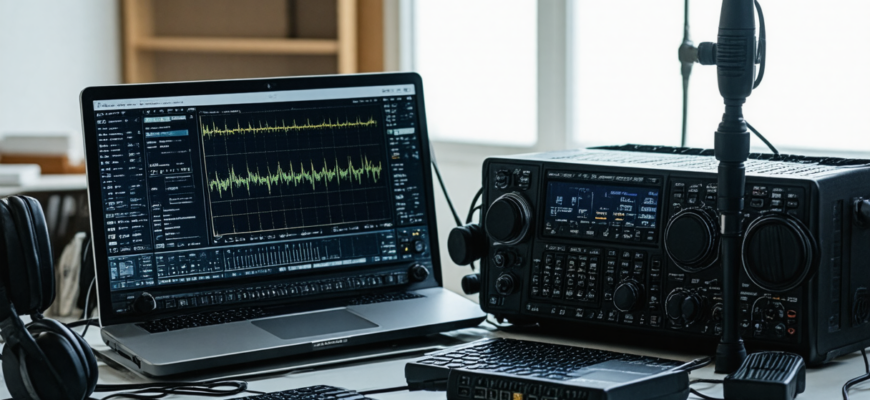
Amateur radio has evolved significantly over the decades, especially with the advent of digital modes that allow for clearer communication, increased data transfer, and more versatile operating capabilities. As technology advances, so does the need for specialized accessories that can enhance digital mode operations, making them more efficient, stable, and enjoyable. Whether you are a seasoned operator or a newcomer exploring digital communications, the right tools can dramatically improve your experience. This comprehensive guide explores the best accessories to elevate your digital amateur radio setup.
- Understanding Digital Modes in Amateur Radio
- Essential Accessories for Digital Mode Operations
- 1. Quality Audio Interface / Sound Card Interface
- 2. VPN and Network Accessories
- 3. Antennas Designed for Digital Frequencies
- 4. Power Supply and Battery Solutions
- 5. Software Tools and Digital Mode Programs
- Additional Accessories for Enhanced Digital Operation
- 6. Headsets and Microphones
- 7. External GPS Modules
- 8. Adjustable Microphone Preamplifiers
- 9. Portable Operating Kits
- Practical Tips for Optimizing Digital Mode Setup
- Comparison Table of Recommended Accessories
Understanding Digital Modes in Amateur Radio
Digital modes refer to communication methods that transmit voice, data, or a combination of both using digital encoding techniques. They offer numerous advantages over traditional analog communication, including improved signal clarity, encryption options, and efficient use of bandwidth. Popular digital modes include FT8, FT4, PSK31, JT65, and DMR, each serving different purposes and requiring specific equipment and accessories for optimal operation.
Essential Accessories for Digital Mode Operations
Enhancing digital mode performance involves a combination of hardware, software, and connection accessories. Below is a detailed breakdown of the key accessories that can significantly improve your digital amateur radio experience.
1. Quality Audio Interface / Sound Card Interface
One of the most critical components of digital operation is the audio interface. Unlike traditional radios that have built-in audio handling, digital modes require a dedicated interface to convert your radio’s audio signals into data that your computer can process. High-quality sound card interfaces reduce noise, improve audio fidelity, and ensure synchronization between the radio and computer.
Popular models include:
- Signalink USB Interface
- RigBlaster Series
- Other custom-built or specialized sound card adapters
2. VPN and Network Accessories
Many digital modes rely on internet or network connectivity, especially for digital voice protocols like DMR or digital repeaters. Accessories such as portable Wi-Fi routers, Ethernet splitters, and network extenders can bolster connectivity stability.
Use cases:
- Ensuring uninterrupted data streams during digital voice communication
- Extending range for remote operation
3. Antennas Designed for Digital Frequencies
Appropriate antenna selection is crucial. Digital signals often operate on specific bands such as 2 meters, 70 centimeters, or UHF frequencies. Using the right antenna enhances signal quality and reduces noise.
Types include:
- Vertical monopoles for VHF/UHF
- Dipole antennas for portable use
- Directional Yagi antennas for longer distances
4. Power Supply and Battery Solutions
Reliable power sources are vital, especially during portable or field operations. Quality DC power supplies, waterproof batteries, and portable power banks ensure sustained operation without interruptions.
5. Software Tools and Digital Mode Programs
While not physical accessories, software is integral to digital mode operation. Popular programs like WSJT-X, Ham Radio Deluxe, andLOG4OM facilitate digital mode decoding, encoding, logging, and management. Upgrading your computer hardware and peripherals, such as dedicated external drives or SSDs, can also improve performance.
Additional Accessories for Enhanced Digital Operation
6. Headsets and Microphones
Clear audio communication is essential, especially in noisy environments or when working with weak signals. High-quality headsets with noise-canceling microphones improve clarity and reduce background noise, making digital modes more effective.
7. External GPS Modules
Some modes and logging software benefit from GPS data for accurate location tracking, time-stamping, and mode operation. External GPS receivers can provide precise positional information, especially in portable field operations.
8. Adjustable Microphone Preamplifiers
These accessories allow finer control over microphone input levels, ensuring clean digital voice transmission without distortion.
9. Portable Operating Kits
For field operations, portable kits including lightweight antennas, batteries, and compact radios with digital capabilities are invaluable. They facilitate quick setup and reliable performance away from fixed stations.
Practical Tips for Optimizing Digital Mode Setup
- Ensure Proper Grounding: Minimize noise interference through effective grounding and shielding of cables.
- Use Quality Cables and Connectors: Invest in shielded, low-loss coaxial cables to maintain signal integrity.
- Configure Software Settings Correctly: Fine-tune encoding settings, baud rates, and audio levels to match your hardware capabilities.
- Regularly Update Firmware and Drivers: Keep your device firmware and sound card drivers up to date to fix bugs and improve compatibility.
- Implement Noise Reduction Techniques: Employ filters and software noise reduction tools to clean signals, especially in urban environments.
Comparison Table of Recommended Accessories
| Accessory Type | Recommended Models | Best For |
|---|---|---|
| Audio Interface | Signalink USB, RigBlaster | High-fidelity digital mode operation |
| Antennas | Hamstick, dual-band dipoles, Yagi | Extended range and signal clarity |
| Power Supplies | MFJ Power Supplies, portable batteries | Reliable power during portable operations |
| Headsets | Sennheiser, Koss, or industry-specific radio headsets | Clear voice communication |
| Software | WSJT-X,Logger32, Ham Radio Deluxe | Digital mode decoding and logging |
Optimizing digital mode operations in amateur radio is a multifaceted process that combines the right hardware, software, and setup techniques. Investing in quality accessories such as audio interfaces, antennas, power supplies, and communication peripherals dramatically enhances performance, reliability, and overall user experience. As digital communication continues to grow within amateur radio communities worldwide, staying informed about the latest accessories and best practices ensures operators can fully exploit the potential of modern digital modes and enjoy seamless, high-quality transmissions.
Whether operating from a fixed station or in the field, selecting the appropriate accessories tailored to your specific needs will facilitate efficient communication, improved signal quality, and greater operational success. Continually explore new tools and technologies to adapt to the ever-evolving landscape of amateur digital radio, making every transmission clear, stable, and enjoyable.
Похожие записи:
 Mastering Digital Voice Conferences: How to Participate Effectively in the Modern Amateur Radio Era
  Integrating Software-Defined Radio into Your Daily Operations: A Comprehensive Guide for Amateur Radio Enthusiasts
  Revolutionizing Communications: The Latest Software Updates Enhancing Digital Modes in Amateur Radio
  Comprehensive Review of the Latest Transceiver Models on the Market: Innovations and Performance for Amateur Radio Enthusiasts
  Top Choices for Budget-Friendly Amateur Radio Equipment: A Comprehensive Guide for Hobbyists
  Effective Propagation Analysis Techniques Throughout the Year: Maximizing Ham Radio Performance
  Build Your Own Portable Solar Power Setup for Radio Operations: A Comprehensive Guide
  Innovative Antenna Designs for Enhanced HF Performance
  Top-Rated HF Transceivers for Experienced Operators: The Ultimate Guide
  Top Microphone and Speaker Combos for Clear Audio: The Ultimate Guide for Amateur Radio Enthusiasts
  Top 10 Portable Ham Radios for On-the-Go Enthusiasts
  Wireless Hotspot and Networking Devices for Remote Stations: Enhancing Connectivity for Amateur Radio Enthusiasts
  In-Depth Analysis of the Latest Valve and Solid State Amplifiers: Which One Truly Elevates Your Radio Experience?
  High-Gain Antennas for Long-Distance Communication: Unlocking Extended Reach in Amateur Radio
  Comprehensive Review of Radio Programming Software for Beginners
  The Future of Amateur Radio with Emerging Technologies