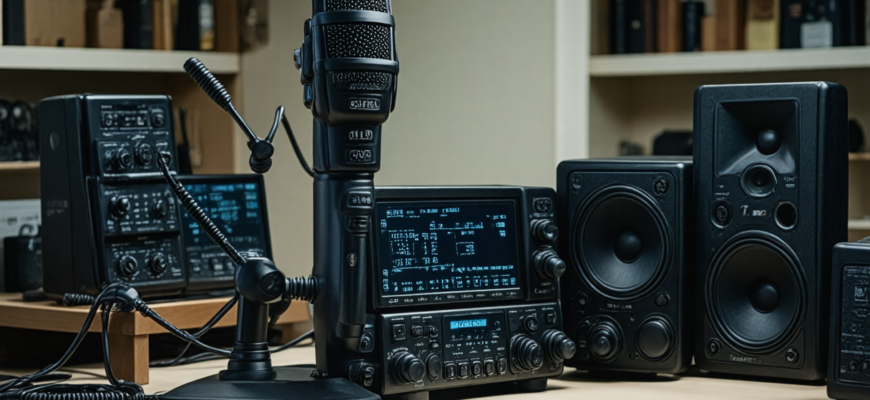
Effective communication is the cornerstone of successful amateur radio operation. Whether you’re a seasoned veteran or a newcomer to the world of ham radio, achieving crystal-clear audio transmission and reception is fundamental. The right combination of microphone and speaker can significantly enhance your listening and speaking experience, ensuring your voice is heard loud and clear across the airwaves.
Amateur radio operators rely heavily on quality audio equipment to connect with distant stations, participate in contests, or simply enjoy hobby-related conversations. With a vast array of microphones and speakers available on the market, selecting the optimal pair can seem overwhelming. This comprehensive guide explores the top microphone and speaker combinations tailored specifically for amateur radio enthusiasts aiming for superior audio clarity and reliability.
- Understanding the Importance of Quality Audio Equipment
- Key Features to Consider When Choosing Microphones and Speakers
- Microphone Features
- Speaker Features
- Top Microphone and Speaker Combos for Amateur Radio
- 1. Heil Sound Gold Series Microphone + Heil Sound Speakers
- Overview
- Key Features
- Advantages
- 2. Rode Procaster + Kali Audio LP-6 Monitors
- Overview
- Key Features
- Advantages
- 3. Shure SM58 + Behringer B2031P Studio Monitors
- Overview
- Key Features
- Advantages
- 4. Audio-Technica AT9901 Microphone + Mackie MR824 Speakers
- Overview
- Key Features
- Advantages
- How to Optimize Your Microphone and Speaker Setup
- Additional Considerations
- Compatibility with Radios
- Power Supply and Connectivity
- Durability and Portability
- Cost Breakdown and Investment Tips
- Additional Resources
- Disclaimer
Understanding the Importance of Quality Audio Equipment
In amateur radio, audio quality is affected by both hardware and environmental factors. However, investing in high-quality microphones and speakers plays a pivotal role in:
- Reducing background noise and static distortions
- Enhancing voice intelligibility and richness
- Ensuring consistent audio output under various conditions
- Improving overall communication effectiveness
Let’s delve into the key features to consider when choosing equipment for optimal performance.
Key Features to Consider When Choosing Microphones and Speakers
Microphone Features
- Type of Microphone: Dynamic, condenser, or electret—each has advantages depending on usage scenarios.
- Frequency Response: A wide range (typically 100 Hz to 10 kHz) captures speech accurately.
- Polar Pattern: Cardioid microphones focus on the speaker’s voice, minimizing background noise.
- Build Quality: Durable casings resist wear and environmental influences.
Speaker Features
- Power Output: Speakers with sufficient wattage ensure clear audio delivery without distortion.
- Impedance Compatibility: Ensuring impedance matches your radio output facilitates optimal sound quality.
- Frequency Response: Should complement microphone frequency ranges for balanced audio.
- Portability: Compact, lightweight models are advantageous for mobile setups.
Top Microphone and Speaker Combos for Amateur Radio
Based on performance, reliability, and user feedback, the following combinations are considered exemplary:
1. Heil Sound Gold Series Microphone + Heil Sound Speakers
Overview
Heil Sound is renowned in the amateur radio community for producing professional-grade microphones and accessories. Their Gold Series microphones, such as the Heil PR 40 and PR 781, are highly favored for their dynamic sound and durability.
Key Features
- Microphone: Heil PR 40 – Dynamic cardioid with broad frequency response (40 Hz – 18 kHz), low noise, and robust construction.
- Speakers: Heil Sound SP-1 or SP-2 models—compact, high-efficiency speakers with excellent fidelity.
Advantages
- Exceptional voice clarity with minimized background noise
- Built-in windscreen and shock mount to reduce plosives and vibrations
- Seamless integration with various radio models
2. Rode Procaster + Kali Audio LP-6 Monitors
Overview
The Rode Procaster condenser microphone offers broadcast-quality sound, making it ideal for station operators seeking professional clarity. Paired with Kali Audio’s LP-6 studio monitors, this combo ensures high-fidelity audio output for monitoring and transmitting.
Key Features
- Microphone: Rode Procaster – Dynamic, cardioid, with a frequency response of 75 Hz – 18 kHz, designed to reject ambient noise.
- Speakers: Kali Audio LP-6—studio-grade monitors with accurate sound reproduction and adjustable settings.
Advantages
- Perfect for detailed audio analysis and transmission
- High SPL handling for various audio levels
- Extended durability and consistent performance
3. Shure SM58 + Behringer B2031P Studio Monitors
Overview
The Shure SM58 is a legendary dynamic microphone widely adopted in live sound and radio applications, known for its durability and clear vocal reproduction. When paired with Behringer’s B2031P monitors, it provides excellent audio clarity suitable for amateur operations.
Key Features
- Microphone: Shure SM58 – Cardioid, tailored vocal response (50 Hz – 15 kHz), rugged construction.
- Speakers: Behringer B2031P—bi-amped studio monitors with flat frequency response for accurate playback.
Advantages
- Reliable performance at an affordable price
- Excellent for live and station use
- Easy for beginners to set up and operate
4. Audio-Technica AT9901 Microphone + Mackie MR824 Speakers
Overview
The Audio-Technica AT9901 is an electret dynamic hand-held microphone offering excellent sound quality and ease of use. Coupled with Mackie’s MR824 powered studio monitors, this combination delivers dependable, clear audio for amateur radio operators.
Key Features
- Microphone: Audio-Technica AT9901 – Electret dynamic, cardioid pattern, rugged design.
- Speakers: Mackie MR824—high-resolution studio monitors with multiple input options.
Advantages
- Outstanding for portable stations and mobile setups
- High power and clarity for both transmission and monitoring
- Professional-grade features at accessible prices
How to Optimize Your Microphone and Speaker Setup
Even with the finest equipment, effectiveness depends on proper setup and usage. Here are practical tips:
- Positioning: Place the microphone at the optimal distance (about 2-4 inches from speaker’s mouth) and angle it to minimize plosive sounds.
- Soundproofing: Use foam panels or shields to reduce ambient noise and echo.
- Gain and Volume Settings: Adjust gain levels to avoid distortion; keep speakers at a level that does not cause feedback or ear fatigue.
- Equalization: Use parametric equalizers if available, to fine-tune audio frequencies for clarity.
Additional Considerations
Compatibility with Radios
Ensure that your microphone wiring and output impedance match your radio’s input specifications. Most amateur radios support standard 3.5mm, RCA, or XLR connections.
Power Supply and Connectivity
Some microphones require phantom power, while others are passive. Confirm your setup supports the necessary power source.
Durability and Portability
If operating in field conditions or mobile stations, prioritize lightweight and rugged equipment.
Cost Breakdown and Investment Tips
| Category | Estimated Cost (USD) | Notes |
|---|---|---|
| High-End Microphone + Speaker | $500 – $1000 | Best for serious hobbyists seeking top-quality audio |
| Mid-Range Combo | $200 – $500 | Optimal for most amateur setups |
| Budget-Friendly Options | $50 – $200 | Suitable for beginners or limited budgets |
Achieving crystal-clear audio in amateur radio operation fundamentally depends on selecting the right microphone and speaker combinations. The choices outlined above reflect a balance of quality, durability, and value, suited for different experience levels and budgets. Carefully considering your specific needs, environmental conditions, and compatibility will help in making an informed decision. Ultimately, investing in high-quality audio equipment elevates the communication experience, making every transmission clear, professional, and enjoyable.
Additional Resources
- Amateur Radio Equipment Reviews
- American Radio Relay League (ARRL)
- QRZ – Forums and Equipment Discussion
Disclaimer
This article provides general recommendations based on industry standards and user feedback. Specific setups should be tailored to individual station requirements and environment. Always consult your radio manufacturer’s documentation before integrating new equipment.
Похожие записи:
 Top-Rated HF Transceivers for Experienced Operators: The Ultimate Guide
  Top Choices for Budget-Friendly Amateur Radio Equipment: A Comprehensive Guide for Hobbyists
  How to Build Your Own Homemade QRP Transceiver: A Comprehensive Guide for Amateur Radio Enthusiasts
  Integrating Software-Defined Radio into Your Daily Operations: A Comprehensive Guide for Amateur Radio Enthusiasts
  Ultimate Guide to Lightning Protection Gear for Your Radio Setup
  Comprehensive Review of the Latest Transceiver Models on the Market: Innovations and Performance for Amateur Radio Enthusiasts
  Ultimate Guide: Best Practices for Setting Up a Remote Radio Station Accessible Worldwide
  Developing Effective Emergency Preparedness Plans with Ham Radio: A Comprehensive Guide for Amateur Radio Enthusiasts
  Building a Portable Ham Radio Station for Outdoor Expeditions: The Ultimate Guide
  Mastering Digital Voice Conferences: How to Participate Effectively in the Modern Amateur Radio Era
  Building a Simple, Low-Cost Antenna Tuner at Home: A Comprehensive Guide for Amateur Radio Enthusiasts
  In-Depth Analysis of the Latest Valve and Solid State Amplifiers: Which One Truly Elevates Your Radio Experience?
  Mastering Regulatory Changes: A Comprehensive Guide for Amateur Radio Enthusiasts
  Top 10 Portable Ham Radios for On-the-Go Enthusiasts
  Ultimate Guide: Best Practices for Maintaining and Extending the Lifespan of Your Radio Equipment
  Effective Troubleshooting Guide for Common Radio Hardware Issues in Amateur Radio