
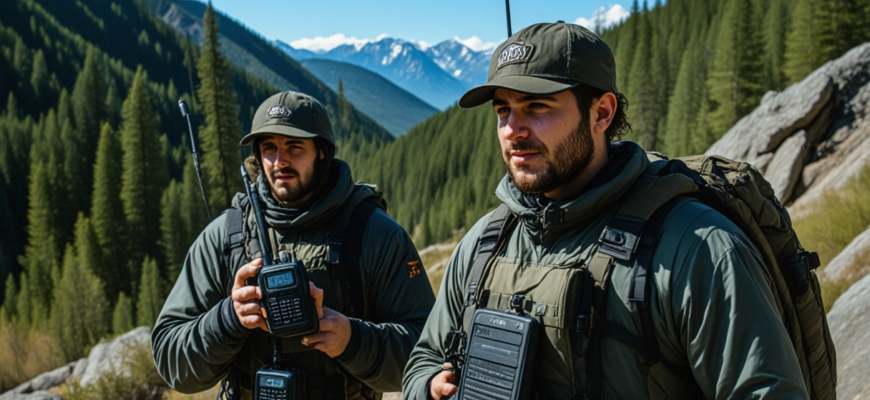
In the unpredictable environments where adventurers and fieldworkers operate, having dependable communication tools is essential. Traditional radios may falter under tough conditions, but rugged radios are specially designed to withstand the challenges posed by outdoor activities, remote locations, and demanding work environments. This comprehensive guide explores everything one needs to know about rugged radios, their features, benefits, types, and how they can enhance safety, efficiency, and coordination in challenging situations.
- Understanding Rugged Radios: What Makes Them Different?
- Definition and Key Characteristics
- Core Features of Rugged Radios
- Why Choose Rugged Radios for Adventurers and Fieldwork?
- Reliability in Challenging Environments
- Enhanced Safety and Coordination
- Cost-Effectiveness and Efficiency
- Types of Rugged Radios for Field Use
- Handheld Two-Way Radios (Walkie-Talkies)
- Mobile Radios
- Base Station Radios
- Satellite and Emergency Radios
- Key Technical Specifications to Consider
- How to Select the Right Rugged Radio for Your Needs
- Assess Your Environment
- Determine Required Range and Power
- Evaluate Battery Life and Power Options
- Prioritize Durability and Certification
- Consider Additional Features
- Best Practices for Using Rugged Radios in the Field
- Proper Maintenance and Care
- Effective Communication Protocols
- Training and Familiarization
- Battery Management
- Real-World Applications of Rugged Radios
- Outdoor Adventures and Expeditions
- Rescue and Emergency Response
- Construction and Industrial Work
- Scientific Research and Environmental Monitoring
- Case Study: Enhancing Safety in Mountain Rescue Missions
- Maintaining and Upgrading Rugged Radios
- Regular Firmware and Software Updates
- Integration with Modern Technologies
- Investing in Robust Communication for Field Readiness
- Summary Table: Key Takeaways
Understanding Rugged Radios: What Makes Them Different?
Definition and Key Characteristics
Rugged radios are specially engineered communication devices built to operate reliably in extreme conditions. Unlike standard consumer-grade walkie-talkies, these radios are tested and certified to withstand shocks, water, dust, and temperature fluctuations. Their robust construction ensures operational durability, making them indispensable for outdoor enthusiasts, rescue teams, military personnel, construction workers, and researchers conducting fieldwork.
Core Features of Rugged Radios
- Shock and Drop Resistance: Capable of withstanding falls from significant heights without damage.
- Waterproof and Dustproof Seals: Usually rated with IP (Ingress Protection) standards, such as IP67 or IP68, indicating high levels of sealing against water and particles.
- Extended Battery Life: Designed for long hours of operation without frequent recharging.
- High Power Output: Ensures communication over longer distances even in obstructed environments.
- Enhanced Audio Quality: Noise suppression and clear sound output, crucial in noisy outdoor settings.
- Durability in Extreme Temperatures: Functional in both scorching heat and freezing cold.
Why Choose Rugged Radios for Adventurers and Fieldwork?
Reliability in Challenging Environments
One of the primary reasons to opt for rugged radios is their reliability. In remote locations where cellular networks are unavailable, these radios serve as the primary means of communication, and their durability ensures continuous operation regardless of environmental conditions.
Enhanced Safety and Coordination
Effective communication can be a matter of life and death in expeditions, rescue missions, or construction projects. Rugged radios facilitate real-time coordination, quick response to emergencies, and ensure all team members stay connected even in adverse circumstances.
Cost-Effectiveness and Efficiency
Investing in a durable radio reduces downtime and repair costs. The robust build minimizes damage and maintenance needs, thereby increasing the lifespan of the device and overall operational efficiency.
Types of Rugged Radios for Field Use
Handheld Two-Way Radios (Walkie-Talkies)
The most common form of rugged radios, handheld units are portable, versatile, and easy to carry. They are suitable for activities like hiking, camping, search and rescue, and construction site management.
Mobile Radios
Usually installed in vehicles or fixed stations, mobile radios provide higher power output and longer communication ranges, ideal for extensive field operations.
Base Station Radios
Stationary units used as command centers during large-scale operations, allowing centralized communication with mobile units spread across broad areas.
Satellite and Emergency Radios
Advanced rugged radios equipped with satellite connectivity ensure communication even when terrestrial networks are unavailable, crucial for remote expeditions and disaster response.
Key Technical Specifications to Consider
| Parameter | Description | Importance |
|---|---|---|
| Frequency Range | VHF (Very High Frequency), UHF (Ultra High Frequency), or multi-band | Determines coverage and penetration abilities depending on environment |
| Power Output | Typically 1-10 Watts | Higher wattage extends communication range but consumes more power |
| Battery Life | Duration of continuous operation, often 8-24 hours | Vital for long field missions without access to charging |
| IP Rating | Ingress Protection standard, e.g., IP67 | Indicates durability against water and dust |
| Range | Dependent on power, terrain, and obstructions, from hundreds to several kilometers | Determines effectiveness over intended operational area |
| Additional Features | GPS, VOX, NOAA weather alerts, encryption | Enhanced functionality tailored to specific needs |
How to Select the Right Rugged Radio for Your Needs
Assess Your Environment
Understanding the conditions in which the radio will be used is crucial. Consider factors such as terrain, weather, potential exposure to water or dust, and the presence of electrical interference.
Determine Required Range and Power
Estimate the necessary communication distance. For dense forests or mountainous regions, higher power and specialized frequencies are essential.
Evaluate Battery Life and Power Options
Opt for models with extended battery life or options for external power sources in cases of prolonged outdoor operations.
Prioritize Durability and Certification
Select radios with appropriate IP ratings and military-grade certifications to ensure resilience against environmental impacts.
Consider Additional Features
- GPS modules for tracking
- VOX (voice-activated transmission) to allow hands-free operation
- Weather alerts for safety
- Encryption for secure communication
Best Practices for Using Rugged Radios in the Field
Proper Maintenance and Care
Regularly clean the device and check seals, connections, and battery health. Store radios in protective cases when not in use.
Effective Communication Protocols
Establish clear procedures, such as predefined channels, call signs, and message brevity, to maximize communication efficiency and avoid misunderstandings.
Training and Familiarization
Ensure all team members understand how to operate the radios, including emergency functions and troubleshooting steps.
Battery Management
Keep spare batteries handy and implement charging schedules to prevent device downtime during critical operations.
Real-World Applications of Rugged Radios
Outdoor Adventures and Expeditions
- Hiking and trekking in remote areas
- Backcountry skiing or snowboarding
- Camping with large groups
Rescue and Emergency Response
- Search and rescue operations in challenging terrains
- Disaster management and coordination
- Medical emergency communication in remote locations
Construction and Industrial Work
- Site management in harsh environments
- Coordination among mobile teams and machinery
- Safety monitoring and incident reporting
Scientific Research and Environmental Monitoring
- Data collection in wilderness areas
- Flora and fauna tracking
- Field stations communication
Case Study: Enhancing Safety in Mountain Rescue Missions
In mountainous terrains where cellular coverage is sporadic, rescue teams rely heavily on rugged VHF radios with high wattage and robust IP ratings. These radios enable team coordination during search operations, provide real-time communication with command centers, and include GPS features for precise positioning. The durability ensures operation despite falling or exposure to rain and snow, illustrating the critical role of rugged radios in saving lives.
Maintaining and Upgrading Rugged Radios
Regular Firmware and Software Updates
Keeping the radio’s firmware up to date ensures access to the latest features, security patches, and performance improvements. Manufacturers often release updates that enhance range, audio clarity, and functionality.
Integration with Modern Technologies
Many rugged radios now integrate with digital protocols such as DMR (Digital Mobile Radio), offering clearer communication and increased capacity. Pairing radios with mapping apps or data collection tools further enhances field efficiency.
Investing in Robust Communication for Field Readiness
Rugged radios are an indispensable asset for anyone operating in challenging environments. Their resilience, reliability, and advanced features ensure effective communication, safety, and coordination during outdoor expeditions, rescue missions, industrial work, or scientific research. Carefully assessing operational needs and environmental conditions will help select the optimal device, ultimately contributing to successful and safe field operations.
Summary Table: Key Takeaways
| Aspect | Details |
|---|---|
| Primary Benefit | Reliable communication in extreme conditions |
| Ideal For | Adventurers, rescue teams, construction, research |
| Major Features to Consider | Durability, waterproofing, range, battery life, additional functionalities |
| Common Types | Handheld, mobile, base station, satellite |
| Best Practice | Regular maintenance, proper training, protocol adherence |
Investing in the right rugged radio system can significantly elevate safety and operational efficiency, transforming complex or risky environments into manageable and safer endeavors. Whether navigating remote wilderness or managing large-scale industrial tasks, dependable communication remains a cornerstone of success.
Похожие записи:
 Top 10 Portable Ham Radios for On-the-Go Enthusiasts
  Building a Portable Ham Radio Station for Outdoor Expeditions: The Ultimate Guide
  Top Microphone and Speaker Combos for Clear Audio: The Ultimate Guide for Amateur Radio Enthusiasts
  Top-Rated HF Transceivers for Experienced Operators: The Ultimate Guide
  Top Choices for Budget-Friendly Amateur Radio Equipment: A Comprehensive Guide for Hobbyists
  Top Picks for Emergency Radio Kits: Essential Gear for Every Preparedness Kit
  Advances in Battery Technology for Portable Ham Radio Use: Powering the Future of Amateur Radio
  Ultimate Guide to Lightning Protection Gear for Your Radio Setup
  High-Gain Antennas for Long-Distance Communication: Unlocking Extended Reach in Amateur Radio
  Ultimate Guide: Best Practices for Maintaining and Extending the Lifespan of Your Radio Equipment
  Build Your Own Portable Solar Power Setup for Radio Operations: A Comprehensive Guide
  Ultimate Guide: Best Practices for Setting Up a Remote Radio Station Accessible Worldwide
  Emergency Communication Protocols for Ham Radio Operators: The Latest Updates and Best Practices
  Developing Effective Emergency Preparedness Plans with Ham Radio: A Comprehensive Guide for Amateur Radio Enthusiasts
  Using APRS for Real-Time Location Tracking and Messaging
  Integrating Software-Defined Radio into Your Daily Operations: A Comprehensive Guide for Amateur Radio Enthusiasts