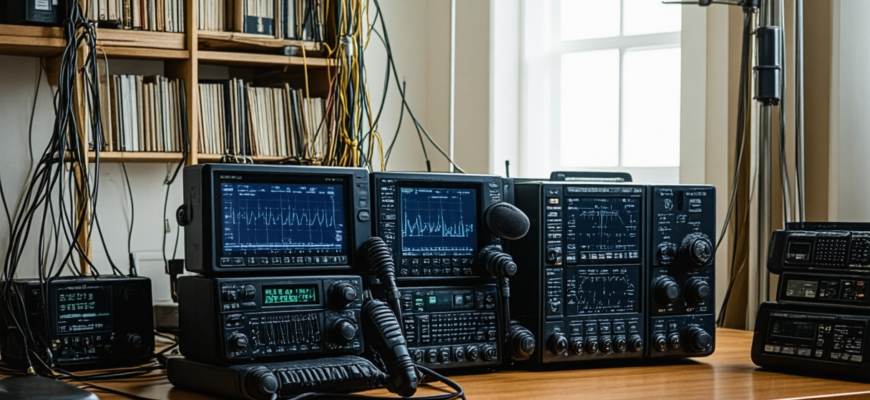
Upgrading an amateur radio station can be both exciting and overwhelming. Whether you’re a seasoned operator or just starting to explore the world of ham radio, ensuring your station is equipped with the latest gear can significantly enhance your communication capabilities and overall experience. This comprehensive guide offers practical tips and insights to help you upgrade your station intelligently, making the most of your investment and optimizing your setup for better performance.
- Understanding the Need for an Upgrade
- Common Reasons to Upgrade Your Ham Radio Station
- Step-by-Step Guide to Upgrading Your Station
- 1. Define Your Goals and Budget
- 2. Conduct a Current Station Evaluation
- 3. Research New Gear and Technologies
- Choosing the Right Equipment for Your Station
- Performance and Specifications
- Compatibility and Integration
- Size, Portability, and Installation
- Top Tips for Upgrading Your Station Effectively
- H3>Prioritize Your Upgrades
- H3>Invest in Quality Equipment
- H3>Leverage Modern Technologies
- H3>Consider Antenna Upgrades Carefully
- H3>Implement Proper Grounding and Shielding
- H3>Optimize Your Power System
- Practical Tips for Installing New Gear
- 1. Planning the Setup
- 2. Proper Mounting and Positioning
- 3. Cable Management
- 4. Testing and Calibration
- Maintaining and Upgrading Your Station Over Time
- Routine Maintenance Tips
- Staying Ahead: How to Keep Up with the Latest Equipment
- Making Your Upgrades Count
- Summary Table: Key Tips for Upgrading Your Ham Radio Station
- Final Thoughts
Understanding the Need for an Upgrade
Before diving into specific gear recommendations, it’s crucial to assess why you want to upgrade your station. This self-assessment helps in setting clear goals and ensuring your investment aligns with your needs.
Common Reasons to Upgrade Your Ham Radio Station
- Enhancing signal quality and transmission clarity
- Expanding operational bands and modes
- Increasing power output for longer-distance communication
- Improving station reliability and durability
- Adding new features such as digital modes or remote control
- Replacing outdated or malfunctioning equipment
Step-by-Step Guide to Upgrading Your Station
Upgrading your setup involves a systematic approach. Following these steps can streamline the process and ensure a successful enhancement of your station capabilities.
1. Define Your Goals and Budget
Start by clearly outlining what you want to achieve. Are you interested in contesting, casual chatting, digital modes, or building a robust emergency station? Your goals will influence the choice of new gear. Set a realistic budget, considering both immediate needs and future expansion possibilities.
2. Conduct a Current Station Evaluation
Assess your existing setup critically. Identify equipment that works well and components that need upgrading or replacement. Document your current antenna system, transceivers, power supplies, and accessories.
3. Research New Gear and Technologies
Stay informed about the latest developments in amateur radio technology. Online forums, manufacturer websites, and expert reviews can provide valuable insights. Consider the following categories when researching options:
- Transceivers: Newer models with enhanced features, higher performance, and better user interface
- Antennas: Multi-band, portable, or specialized antennas for specific bands/modes
- Power Supplies: Better filtering, output stability, and efficiency
- Accessories: Microphones, remotes, tuners, filters, and more
Choosing the Right Equipment for Your Station
Selecting equipment isn’t just about the latest tech but about fitting your specific needs. Consider the following criteria:
Performance and Specifications
- Frequency coverage and modes supported
- Power output and modulation quality
- Transmit and receive sensitivity
- Built-in features like digital processing or filtering
Compatibility and Integration
Ensure new gear seamlessly integrates with your existing setup, including software and hardware compatibility. Upgrading to a transceiver that supports digital modes requires compatible interfaces and connectors.
Size, Portability, and Installation
Consider spatial constraints and whether the equipment is suitable for stationary or portable use. Ease of installation can influence your final choice.
Top Tips for Upgrading Your Station Effectively
To maximize your investment and improve your station performance, keep these practical tips in mind:
H3>Prioritize Your Upgrades
Focus on the most impactful upgrades first. For example, upgrading your antenna system often yields more noticeable improvements than merely upgrading the transceiver. Here is a suggested priority list:
- Improve your antenna system
- Upgrade to a more capable transceiver or add digital modes
- Enhance power supplies and accessories
- Implement noise reduction and filtering solutions
- Add remote control or logging software
H3>Invest in Quality Equipment
While budget constraints are a reality, investing in reputable, quality gear ensures longevity and optimal performance. Cheaper equipment may save money initially but can lead to frustrations and additional costs later.
H3>Leverage Modern Technologies
Incorporate digital modes like FT8, JS8, or D-STAR to expand your operational capabilities. Modern radios often support these modes natively, simplifying setup.
H3>Consider Antenna Upgrades Carefully
Antenna systems significantly influence your station’s effectiveness. When upgrading antennas:
- Choose multi-band or beam antennas for versatility and gain
- Ensure proper installation height and location for optimal performance
- Use quality feedlines and connectors to reduce signal losses
H3>Implement Proper Grounding and Shielding
To minimize interference and protect equipment, invest in a solid grounding system and shielding solutions. This is particularly crucial for urban or noisy environments.
H3>Optimize Your Power System
A stable and clean power supply directly impacts your radio’s performance. Consider upgrading to a power supply with sufficient capacity, filtering, and overload protection.
Practical Tips for Installing New Gear
Effective installation maximizes the benefits of your upgrades. Follow these steps to ensure proper setup:
1. Planning the Setup
- Map out the station layout for accessibility and minimal interference
- Plan cable routing to prevent signal degradation
- Ensure proper ventilation and cooling for active components
2. Proper Mounting and Positioning
- Place antennas high and clear of obstructions
- Mount transceivers in stable, vibration-free positions
- Use insulated mounts and avoid proximity to noisy electronic devices
3. Cable Management
- Use quality coaxial cables and connectors
- Label cables for easy identification
- Employ strain reliefs and secure routing to prevent damage
4. Testing and Calibration
- Verify the operation of all components after installation
- Use testing equipment like SWR meters and spectrum analyzers to optimize antenna tuning
- Adjust filters and settings for the best signal clarity
Maintaining and Upgrading Your Station Over Time
Station upgrades are ongoing processes. Regular maintenance and staying informed about new technologies can keep your setup at peak performance.
Routine Maintenance Tips
- Inspect connectors and cables periodically for damage
- Update firmware and software as released
- Monitor and replace aging components proactively
- Keep your station clean and dust-free
Staying Ahead: How to Keep Up with the Latest Equipment
Follow industry publications, online forums, and manufacturer announcements. Participating in amateur radio clubs and conventions can also provide valuable insights and firsthand experience with new gear.
Making Your Upgrades Count
Upgrading an amateur radio station is a rewarding process that enhances your communication capabilities and enjoyment of the hobby. By carefully planning your investments, choosing high-quality gear, and implementing proper installation practices, you can build a versatile, reliable station tailored to your interests and goals. Remember that ongoing maintenance and staying informed about technological developments will ensure your setup remains cutting-edge and efficient for years to come.
Summary Table: Key Tips for Upgrading Your Ham Radio Station
| Step | Action | Key Considerations |
|---|---|---|
| Define Goals & Budget | Clarify what you want to achieve and allocate funds accordingly | Match equipment to your operating style and future plans |
| Assess Existing Setup | Identify equipment to upgrade or replace | Prioritize components that limit performance |
| Research & Select Gear | Choose high-quality, compatible equipment | Factoring in specifications, size, and features |
| Implement Upgrades | Install and fine-tune new components | Follow best practices for setup and safety |
| Maintain & Stay Updated | Regular checks and monitor new technology | Enhance longevity and capabilities over time |
Final Thoughts
Upgrading your amateur radio station is a strategic process that, when done thoughtfully, can greatly enhance your experience, expand your operational range, and increase the enjoyment of your hobby. By understanding your needs, making informed choices, and following best practices for installation and maintenance, you can build a state-of-the-art station that meets your current and future ambitions. Embrace continuous learning and experimentation to unlock the full potential of your ham radio endeavors.
Похожие записи:
 Ultimate Guide to Lightning Protection Gear for Your Radio Setup
  Building a Portable Ham Radio Station for Outdoor Expeditions: The Ultimate Guide
  Ultimate Guide: Best Practices for Setting Up a Remote Radio Station Accessible Worldwide
  Top Choices for Budget-Friendly Amateur Radio Equipment: A Comprehensive Guide for Hobbyists
  Top-Rated HF Transceivers for Experienced Operators: The Ultimate Guide
  Integrating Internet-Linked Repeater Systems with Traditional Ham Gear: A Comprehensive Guide
  Top Microphone and Speaker Combos for Clear Audio: The Ultimate Guide for Amateur Radio Enthusiasts
  Top Weather-Resistant Microphones for Outdoor Use: The Ultimate Guide for Amateur Radio Enthusiasts
  Portable Antenna Analyzers for Precise Tuning: The Ultimate Guide for Amateur Radio Enthusiasts
  Mastering DXing: Expert Tips for Contacting Rare Amateur Radio Stations
  Effective Tips for Organizing Successful Ham Radio Contests: A Comprehensive Guide
  Ultimate Guide: Best Practices for Maintaining and Extending the Lifespan of Your Radio Equipment
  Top Picks for Emergency Radio Kits: Essential Gear for Every Preparedness Kit
  Rugged Radios for Adventurers and Fieldwork: The Ultimate Guide to Reliable Communication
  Top Accessories to Maximize Your Performance in Digital Mode Amateur Radio Operations
  Integrating Software-Defined Radio into Your Daily Operations: A Comprehensive Guide for Amateur Radio Enthusiasts