Every passionate amateur radio operator cherishes the moments spent browsing through tables laden with vintage equipment, exchanging stories with fellow enthusiasts, and discovering unique gear that sparks new ideas. Radio swap meets are more than just markets; they are vibrant gatherings that foster camaraderie, rekindle passions, and preserve the history of amateur radio. In this comprehensive article, we delve into the quintessential experience of a radio swap meet day, capturing its essence through vivid descriptions, practical insights, and tips for making the most of such events. Whether you are a seasoned ham radio operator or a curious newcomer, this journey will evoke fond memories and inspire future visitations to these legendary gatherings.
- What Is a Radio Swap Meet?
- Origins and Evolution
- The Core Appeal
- Preparing for a Radio Swap Meet
- What to Bring
- Research and Planning
- The Atmosphere of a Swap Meet
- The Buzz of Activity
- The Cultural Significance
- Typical Items Found at a Radio Swap Meet
- Engaging in Trades and Purchases
- Smart Buying Tips
- Effective Trading Strategies
- Networking and Community Building
- Building Long-Term Connections
- Learning Opportunities
- Practical Tips for a Successful Swap Meet Experience
- 1. Arrive Early
- 2. Keep an Open Mind
- 3. Take Notes and Photos
- 4. Respect the Rules
- 5. Follow Up
- Cherishing the Spirit of the Swap Meet
- Additional Resources
What Is a Radio Swap Meet?
A radio swap meet, also known as a ham radio flea market, is a specialized event where amateur radio enthusiasts come together to buy, sell, trade, and showcase radio equipment, parts, accessories, and related memorabilia. These events are integral components of ham radio culture, fostering community, knowledge-sharing, and the preservation of radio heritage.
Origins and Evolution
Historically rooted in the early days of radio, swap meets have evolved from simple gatherings to large-scale events attracting hundreds, sometimes thousands, of participants. Originally organized locally by radio clubs, many modern swap meets are now annual or semi-annual events with regional or national significance.
The Core Appeal
What makes swap meets so appealing to attendees? Here are some factors:
- Unique Finds: Vintage transmitters, rare accessories, and collectible memorabilia.
- Affordable Prices: Opportunities to purchase gear at significantly reduced prices.
- Community Atmosphere: Connecting with like-minded enthusiasts, sharing stories, and exchanging knowledge.
- Educational Value: Learning about the latest advances or historic technologies in radio.
Preparing for a Radio Swap Meet
What to Bring
Effective preparation ensures a productive and enjoyable experience. Recommended items include:
- Cash and Payment Methods: While some vendors accept digital payments, cash remains king at many swap meets.
- Shopping List: A list of desired equipment, accessories, or specific parts.
- Labels or Tags: For items you are selling or trading.
- Notebook or Smartphone: To take notes or record contact information.
- Bag or Backpack: For transporting purchased items.
- Personal Identification: Often required for registration or for purchases of certain items.
Research and Planning
Before attending, it’s beneficial to review event details:
- Event date, time, and location.
- Vendor list or exhibitor list, if available.
- Event layout map.
- Rules and regulations concerning item sales or trades.
- Parking and logistics information.
The Atmosphere of a Swap Meet
The Buzz of Activity
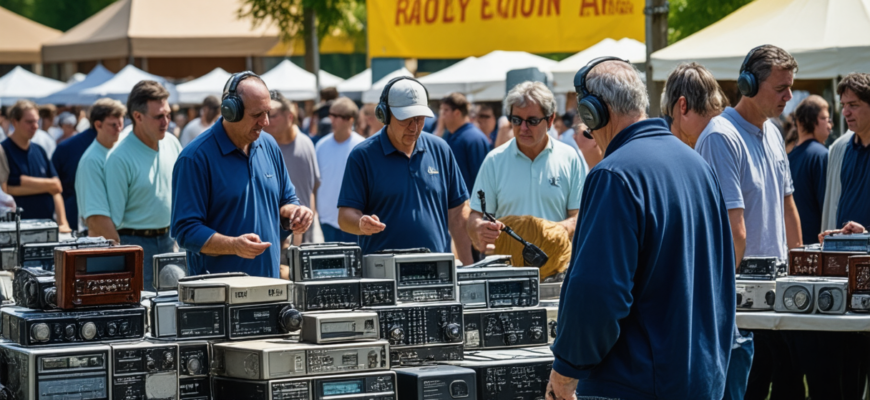
As the doors open, the energy in the air is palpable. Vendors set up tables filled with all manner of radio equipment—vintage receivers, transceivers, antennas, coils, and rare collectible items. Enthusiasts and collectors wander the aisles, inspecting items with keen interest, eagerly haggling over prices, and sharing stories of their own radio adventures.
The Cultural Significance
Swap meets serve as cultural melting pots where history, technology, and camaraderie converge. Experienced operators often share knowledge about restoration, modifications, or the history behind certain models. Newcomers gain insights into the hobby’s rich traditions and technological evolution.
Typical Items Found at a Radio Swap Meet
| Category | Examples | Description |
|---|---|---|
| Vintage Receivers | Hallicrafters, Drake, Collins | Classic radios from the golden age of amateur radio, often sought after by collectors. |
| Transceivers | Icom IC-7300, Yaesu FT-991, Kenwood TS-590 | Modern and vintage transceivers used for on-air communication. |
| Antennas and Coils | Wire dipoles, verticals, helical coils | Essential components to enhance signal transmission and reception. |
| Parts and Accessories | Vacuum tubes, connectors, meters | Replacement parts for repairs or restorations. |
| Historic Memorabilia | Posters, QSL cards, awards | Items reflecting the hobby’s rich history and personal achievements. |
Engaging in Trades and Purchases
Smart Buying Tips
To maximize value and satisfaction:
- Inspect Items Carefully: Check for damage, corrosion, or missing parts.
- Negotiate Politely: Price negotiation is common; always be courteous.
- Verify Authenticity: Especially for vintage or rare items.
- Ask Questions: Vendors often provide valuable insights about their items.
Effective Trading Strategies
Trading can be as rewarding as buying. Tips include:
- Bring items of value that you no longer need.
- Know the fair market value for your items.
- Be prepared to negotiate and consider trades as well as cash deals.
Networking and Community Building
Building Long-Term Connections
Many attendees find swap meets as opportunities to form ongoing relationships with fellow hams. Exchanging contact information, joining local amateur radio clubs, or collaborating on projects enhances the hobby’s social aspect.
Learning Opportunities
Swap meets often feature demonstrations, mini-workshops, or presentations, providing hands-on experience and knowledge about equipment repair, antenna building, or digital modes. Participating actively can deepen understanding and skills.
Practical Tips for a Successful Swap Meet Experience
1. Arrive Early
Arriving early provides the best selection of items and allows more time for engaging with vendors and other enthusiasts.
2. Keep an Open Mind
Sometimes the most unexpected finds can lead to exciting projects or rare collectibles. Be flexible with your wishlist.
3. Take Notes and Photos
Document items of interest, prices, and contact details for future reference or follow-up.
4. Respect the Rules
Follow event guidelines, respect vendor property, and be courteous to all attendees.
5. Follow Up
If you make a deal or exchange contact information, follow up promptly to complete trades or ask additional questions.
Cherishing the Spirit of the Swap Meet
Attending a radio swap meet is more than just a shopping experience; it is a celebration of a vibrant community passionate about communication, discovery, and technological history. These gatherings serve as crossroads where seasoned operators share wisdom, newcomers ignite new passions, and relics of the golden age of radio find new life through care and restoration. Memories forged during these events often turn into lifelong friendships, inspiring future generations to keep the spirit of amateur radio alive. Every swap meet is a unique chapter in the ongoing story of radio enthusiasts worldwide, fostering a sense of belonging, curiosity, and adventure that transcends technology itself.
Additional Resources
- ARRL — List of Ham Radio Fairs and Flea Markets
- QRZ.com — Radio Equipment Marketplace and Community
- eHam.net — Forums and Classifieds for Ham Radio Equipment
Embrace the nostalgia, the camaraderie, and the perpetual quest for knowledge at your next radio swap meet. It’s not just about buying and selling—it’s about becoming part of a global community united by a shared passion for the art of radio communication.
Похожие записи:
 Celebrating a Milestone with My Radio Club: A Journey of Achievement and Community Spirit
  Memories from a Challenging QRP Expedition: Lessons, Triumphs, and Insights
  How a Simple Antenna Repair Sparked a Long-lasting Friendship – An Amateur Radio Journey
  Building My First Transceiver and the Challenges Faced: An Amateur Radio Enthusiast’s Journey
  Sharing the Story of My First Satellite Contact: An Amateur Radio Journey
  How a Lost Radio Helped Reconnect a Community: The Power of Amateur Radio
  Beginner’s Guide to Operating Portable Ham Radio at Events: Mastering Communication for Event Support
  Ultimate Guide to Staying Organized with Your Radio Accessories: Tips for Amateur Radio Enthusiasts
  Experiencing the Magic of a Sporadic E Opening – An Amateur Radio Enthusiast’s Guide
  Legendary Operators Who Inspired Me: The Unsung Heroes of Amateur Radio
  Maximizing Ham Radio Community Engagement Through Social Media
  How to Mentor New Ham Radio Operators and Expand the Community
  In-Depth Analysis of the Latest Valve and Solid State Amplifiers: Which One Truly Elevates Your Radio Experience?
  Unlocking the Power of Connection: The Benefits of Joining Amateur Radio Contesting Communities
  Mastering Your Amateur Radio Setup: Essential Guidelines for Field Day and Emergency Drills
  Effective Tips for Organizing Successful Ham Radio Contests: A Comprehensive Guide