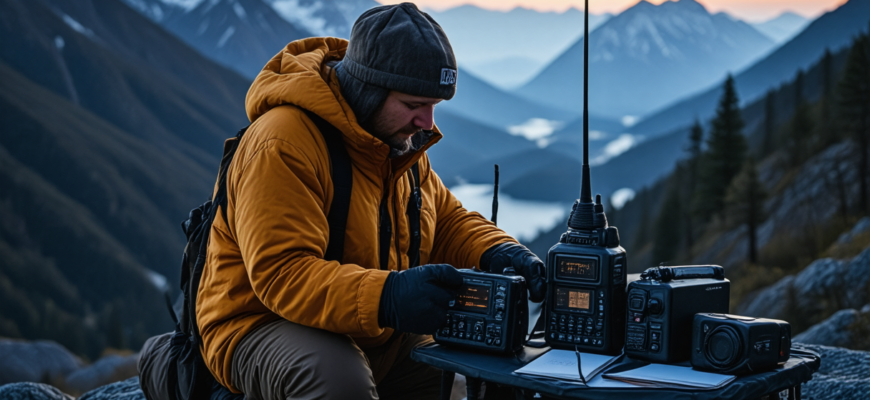
Embarking on a QRP (low power) amateur radio expedition is an experience filled with excitement, unforeseen challenges, and invaluable lessons. Operating with minimal transmission power tests the skill, patience, and ingenuity of amateur radio enthusiasts, often leading to unforgettable memories and personal growth. This article delves into the intricacies of a demanding QRP expedition, exploring the realities faced by operators, the strategies employed to overcome obstacles, and the lessons learned that can inspire both novice and seasoned ham radio operators.
- Introduction to QRP and Its Unique Challenges
- What Is QRP Operation?
- The Appeal and Challenges of QRP Expeditions
- Preparation and Planning for a Demanding QRP Expedition
- Choosing the Right Location
- Station Setup and Equipment Considerations
- Propagation Forecasting and Timing
- Executing the Expedition: Operational Strategies and Experience
- Operating During Adverse Conditions
- Maximizing Contact Success
- The Role of Logs and Station Records
- Memorable Moments and Unexpected Triumphs
- Unexpected Breakthroughs
- Community and Friendships
- Learning from Failures
- Post-Expedition Reflections and Lessons Learned
- Technical Lessons
- Operational Strategies
- Communication and Documentation
- Practical Tips for Future QRP Expeditions
- Advanced Preparation
- On-Site Operations
- Post-Expedition Activities
- The Enduring Value of Challenging QRP Journeys
- Additional Resources and Further Reading
- Final Thoughts
Introduction to QRP and Its Unique Challenges
What Is QRP Operation?
QRP refers to the practice of transmitting amateur radio signals at reduced power levels, typically between 1 watt and 10 watts, compared to the standard 100-watt output. This approach emphasizes the skillful use of antennas, propagation understanding, and efficient station setup. The allure of QRP lies in its challenge—it demands greater technical proficiency and patience, making each contact a victory worth savoring.
The Appeal and Challenges of QRP Expeditions
While QRP operations are often associated with portable, field-style setups, they pose unique difficulties beyond mere power constraints. Expedition operators face environmental variables, limited equipment, and logistical hurdles that amplify the complexity of maintaining reliable communications. The core challenges include:
- Limited transmission power resulting in weaker signals.
- Environmental disruptions such as weather, terrain, and electromagnetic interference.
- Equipment portability and reliability issues.
- Propagation variability, especially during solar minimum or adverse conditions.
Overcoming these obstacles requires meticulous planning, adaptability, and deep understanding of radio principles.
Preparation and Planning for a Demanding QRP Expedition
Choosing the Right Location
Effective location selection is critical. An ideal site offers low electromagnetic interference, unobstructed horizons, and minimal human-made noise. High elevations, remote natural areas, or seaside locations often provide excellent conditions for long-distance QRP contacts. Prior reconnaissance and environmental assessment help in choosing a site that maximizes propagation potential.
Station Setup and Equipment Considerations
Optimizing equipment for portability and durability is essential. Typical components include:
- QRP transceiver (usually with minimal additional features to reduce size and power consumption).
- Lightweight, efficient antenna systems (such as wire dipoles, verticals, or portable beams).
- Power sources: high-capacity batteries, solar panels, or portable generators.
- Compact accessories: tuners, tunable filters, headphones, and logging devices.
Each component must be carefully selected to balance performance, portability, and resilience against environmental stressors.
Propagation Forecasting and Timing
Understanding radio wave propagation plays a decisive role in planning. Operators utilize tools such as:
- Propagation prediction software (like VOACAP).
2. Solar activity data and indices (e.g., K-index, solar flux).
3. Historical field reports from online forums and networks.
Effective timing—preferably during periods of high solar activity, optimal band conditions, and favorable diurnal windows—can significantly influence success rates.
Executing the Expedition: Operational Strategies and Experience
Operating During Adverse Conditions
During a challenging QRP expedition, operators often face:
- Unpredictable propagation anomalies.
- Strong local interference.
- Equipment malfunctions or power fluctuations.
To mitigate these issues, operators employ strategies such as:
- Switching bands to find better propagation channels.
- Adjusting antennas for optimal radiation patterns.
- Implementing filtering techniques to suppress noise.
- Maintaining patience and persistence during low-activity periods.
Maximizing Contact Success
Achieving successful contacts with low power involves maximizing the efficiency of each transmission. Techniques include:
- Using a well-tuned, resonant antenna to improve signal strength.
- Crafting clear, concise call signs and reports.
- Engaging with stations on predictable schedules or during contests for higher activity.
- Learning the propagation windows of specific bands and times.
The Role of Logs and Station Records
Maintaining detailed logs is crucial. Not only does it aid in tracking contacts for awards and achievements, but it also helps in analyzing the expedition’s success and areas for improvement. Digital logging tools, combined with GPS coordinates, provide a comprehensive record of the field operation.
Memorable Moments and Unexpected Triumphs
Unexpected Breakthroughs
One of the most rewarding aspects of a QRP expedition is the occasional surprise contact—an elusive station in a rare location or during an unexpected propagation opening. These moments often become treasured memories that reaffirm the value of perseverance and careful planning. For example, picking up a distant station during a poor band condition or making a contact in a challenging terrain can be exhilarating.
Community and Friendships
QRP operations, especially in field conditions, foster camaraderie among operators. Sharing stories of difficulties faced and solutions found creates a sense of community. Many operators find that overcoming obstacles collectively leads to lasting friendships and valuable exchanges of technical knowledge.
Learning from Failures
Failures—such as equipment breakdowns, missed contacts, or bad weather—are integral to the expedition experience. Analyzing these moments teaches resilience, encourages creativity in problem-solving, and improves preparedness for future endeavors.
Post-Expedition Reflections and Lessons Learned
Technical Lessons
- Importance of lightweight, rugged equipment.
- Pre-expedition antenna tuning and site testing.
- Regular maintenance and quick troubleshooting skills.
- Backup plans for power and communication failures.
Operational Strategies
- Flexibility in band and frequency selection based on real-time conditions.
2. Patience and maintaining a positive attitude despite setbacks.
3. Effective time management to maximize contacts during limited windows.
4. Detailed planning of logistics, including transportation and environment adaptation.
Communication and Documentation
Maintaining thorough records, sharing experiences with the broader amateur community, and documenting the expedition through photos and logs enhance the educational value of these adventures. They can inspire others to undertake similar journeys and elevate collective knowledge within the hobby.
Practical Tips for Future QRP Expeditions
Advanced Preparation
- Test all equipment beforehand under real-world conditions.
- Scout the location if possible or conduct simulated field days.
- Gather and analyze propagation data specific to the planned time frame.
On-Site Operations
- Set up antennas early in good weather conditions.
2. Use portable power sources efficiently, monitoring battery levels regularly.
3. Keep an emergency kit handy, including spare cables, connectors, and tools.
4. Record everything diligently, including environmental conditions and propagation behavior.
Post-Expedition Activities
- Review logs for missed opportunities or patterns.
- Share accomplishments and technical insights through blogs and social media.
- Engage with other operators for feedback and tips.
- Plan next adventure, incorporating lessons learned.
The Enduring Value of Challenging QRP Journeys
Participating in a challenging QRP expedition is more than just making radio contacts; it is an immersive experience that tests ingenuity, resilience, and dedication. The triumphs, failures, and lessons form a tapestry of growth that enhances the skills and spirit of the amateur radio community. Each expedition, regardless of immediate success, contributes to a broader understanding of radio propagation, technical mastery, and personal achievement. Ultimately, these journeys cultivate a deep appreciation for the art and science of amateur radio, inspiring future generations to explore the possibilities within the limits of low power and remote operation.
Additional Resources and Further Reading
| Resource | Description |
|---|---|
| ARRL Handbook | Comprehensive guide on radio technology, operational techniques, and project ideas. |
| VOACAP Propagation Prediction | Useful tool for forecasting band conditions and planning expeditions. |
| QRZ.com and eQSL.net | Online communities for sharing logs, experiences, and gaining tips. |
| Field Day & Contesting Manuals | Practical insights into portable operation and contest strategies. |
Final Thoughts
Engaging in a demanding QRP expedition is a rewarding pursuit that elevates the amateur radio experience beyond the equipment and signals—transforming it into a journey of discovery, education, and community. By embracing the challenges and applying dedicated effort, operators forge memories that last a lifetime and contribute meaningfully to the rich tapestry of amateur radio adventures.
Похожие записи:
 Building a Portable Ham Radio Station for Outdoor Expeditions: The Ultimate Guide
  Effective Propagation Analysis Techniques Throughout the Year: Maximizing Ham Radio Performance
  Mastering DXing: Expert Tips for Contacting Rare Amateur Radio Stations
  Using Software to Enhance Your Amateur Radio Experience: Unlocking New Possibilities
  How a Lost Radio Helped Reconnect a Community: The Power of Amateur Radio
  Effective Tips for Organizing Successful Ham Radio Contests: A Comprehensive Guide
  Understanding Ham Radio Frequencies and Bands: A Comprehensive Guide for Amateur Radio Enthusiasts
  Mastering Your Amateur Radio Setup: Essential Guidelines for Field Day and Emergency Drills
  Getting Started with Digital Modes like FT8 and PSK31: A Complete Guide for Amateur Radio Enthusiasts
  Unlocking the Power of Connection: The Benefits of Joining Amateur Radio Contesting Communities
  How to Mentor New Ham Radio Operators and Expand the Community
  Top Weather-Resistant Microphones for Outdoor Use: The Ultimate Guide for Amateur Radio Enthusiasts
  Rugged Radios for Adventurers and Fieldwork: The Ultimate Guide to Reliable Communication
  Ultimate Guide to Staying Organized with Your Radio Accessories: Tips for Amateur Radio Enthusiasts
  Ultimate Guide: How to Stay Safe While Operating Outdoors with Amateur Radio