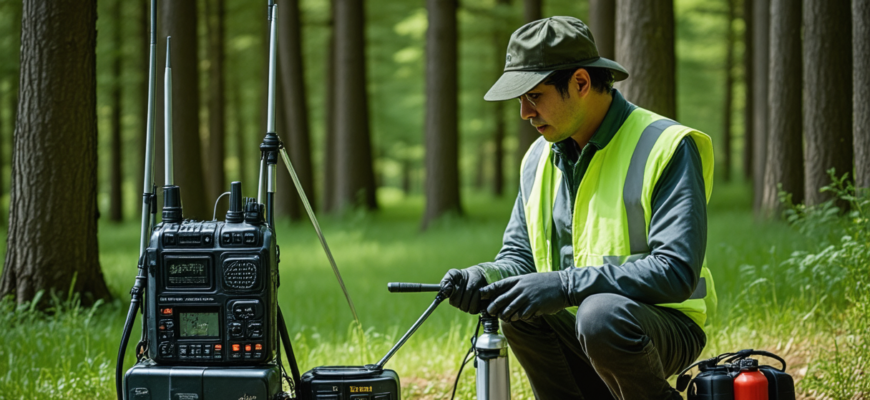
Operating amateur radio outdoors can be a thrilling and rewarding experience. It allows enthusiasts to connect with fellow operators worldwide while enjoying the natural environment. However, outdoor operations also come with inherent risks that require proper precautions and safety protocols. This comprehensive guide aims to provide amateur radio operators with essential knowledge and practical tips to ensure safety during outdoor activities, covering everything from environmental hazards to electromagnetic safety and emergency preparedness.
- Understanding the Importance of Outdoor Safety for Amateur Radio Enthusiasts
- Common Hazards Faced During Outdoor Radio Operations
- Weather-Related Risks
- Terrain and Physical Hazards
- Electrical and Electromagnetic Risks
- Human-Related Risks
- Essential Safety Preparation Before Going Outdoors
- Research and Planning
- Equipment Preparation
- Safety Gear and Personal Protective Equipment (PPE)
- Safe Operations During Outdoor Radio Activities
- Proper Setup of Antennas and Equipment
- Electromagnetic Safety
- Monitoring Weather Conditions
- Maintaining Personal Safety
- Emergency Preparedness and Response
- Creating an Emergency Plan
- Radio Emergency Protocols
- First Aid and Medical Readiness
- Legal and Ethical Considerations
- Concluding Remarks: Ensuring a Safe and Enjoyable Outdoor Radio Experience
- Additional Resources
- Final Thought
Understanding the Importance of Outdoor Safety for Amateur Radio Enthusiasts
While the outdoors offers a unique landscape for radio operations, it also exposes operators to various dangers that are not typically encountered indoors. These hazards include extreme weather, uneven terrain, potential for electrical shocks, and encounters with wildlife or other people. Ensuring safety is not only crucial for personal well-being but also essential for maintaining uninterrupted communication and avoiding unnecessary emergencies. Proper planning, knowledge, and protective measures greatly enhance safety and make outdoor amateur radio activities enjoyable and safe.
Common Hazards Faced During Outdoor Radio Operations
Weather-Related Risks
- Storms and Lightning: Lightning strikes are a significant danger, especially during thunderstorms. They can cause severe injury or equipment damage.
- High Winds and Rain: These conditions can cause structural instability of antenna setups and make terrain slippery and treacherous.
- Extreme Temperatures: Exposure to intense heat or cold can lead to heatstroke, hypothermia, or other health issues.
Terrain and Physical Hazards
- Uneven Ground: Roots, rocks, and slopes increase the risk of falls or twisted ankles.
- Wildlife Encounters: Biting insects, snakes, or larger animals can pose safety concerns.
- Inaccessible or Remote Areas: Difficulty in reaching help if an emergency occurs.
Electrical and Electromagnetic Risks
- Electromagnetic Interference: Can cause equipment malfunctions or unexpected shocks if not handled properly.
- Nearby Power Lines: Risk of electrocution when operating antenna systems or equipment near overhead power lines.
Human-Related Risks
- Unauthorized Access: Risks of theft or vandalism to equipment.
- Other People: Accidentally interfering with others or being in unsafe situations in crowded or public areas.
Essential Safety Preparation Before Going Outdoors
Research and Planning
Thorough preparation begins with detailed planning. Study the area you plan to operate from, noting terrain, potential hazards, and access points. Check weather forecasts to ensure conditions are safe for outdoor activities. Preparing a route map and informing someone about your plans significantly improves safety.
Equipment Preparation
| Essential Equipment | Purpose |
|---|---|
| Portable radio transceiver | Reliable communication device |
| Antenna system | Optimal signal transmission and reception |
| Power source (battery or generator) | Adequate power supply |
| First aid kit | Immediate medical assistance if needed |
| Weather-appropriate clothing | Protection from elements |
| Navigation tools (compass, GPS) | Orientation and route finding |
| Emergency communication device (e.g., satellite phone) | Additional safety communication |
Safety Gear and Personal Protective Equipment (PPE)
- Proper footwear: Sturdy, slip-resistant shoes or boots for uneven terrain.
- Protective clothing: High-visibility vests, weather-resistant jackets.
- Gloves and goggles: For handling equipment safely and protecting eyes.
- Sun protection: Sunscreen, hats, sunglasses.
- Insect repellent: To prevent bites from insects and ticks.
Safe Operations During Outdoor Radio Activities
Proper Setup of Antennas and Equipment
Ensuring the safety of antenna installation should be a prime concern. Use insulated poles and non-conductive supports whenever possible. Keep antennas away from power lines and tall trees that could fall or conduct electricity during storms. Always use gloves and tools when handling metallic components to avoid shocks.
Electromagnetic Safety
- Maintain Safe Distances: Keep a safe distance from antenna feedlines and high-power sources to prevent electromagnetic exposure.
- Use Proper Grounding: A good ground connection reduces the risk of static buildup and electrical shock.
- Follow Power Limits: Operate within recommended power levels, especially in crowded or sensitive areas.
Monitoring Weather Conditions
Consistently check weather updates during operations. If conditions deteriorate—such as the onset of thunderstorms or high winds—cease outdoor activities immediately to prevent accidents. Use portable weather radios or smartphone apps for real-time updates.
Maintaining Personal Safety
- Stay Hydrated: Drink plenty of water, especially in hot weather.
- Take Breaks: Rest periodically to avoid fatigue and dehydration.
- Use Sun Protection: Avoid prolonged exposure to sunlight.
- Be Aware of Surroundings: Constantly stay alert to changing environmental conditions.
Emergency Preparedness and Response
Creating an Emergency Plan
An emergency plan should include communication protocols, contacts, and steps to follow if someone gets injured or if emergencies like extreme weather occur. Keep a list of local emergency contacts, including nearby hospitals, fire stations, and park authorities.
Radio Emergency Protocols
Learn and practice protocols such as:
- Emergency Traffic: Using the standard “MAYDAY” or “SOS” calls to request assistance.
- Distress Signals: Familiarize with international distress signals.
- Check-in Procedures: Regularly update your status to a designated emergency contact or station.
First Aid and Medical Readiness
Basic first aid knowledge can be vital in case of injuries. Carry a well-stocked first aid kit and know how to treat cuts, burns, insect bites, and other common outdoor injuries. Taking a first aid course is strongly recommended for outdoor enthusiasts.
Legal and Ethical Considerations
- Permissions and Permits: Obtain necessary permissions for operating in protected or restricted areas.
- Respect Wildlife and Environment: Avoid disturbing natural habitats and wildlife.
- Respect Other Users: Be courteous to fellow outdoor enthusiasts and local community members.
Concluding Remarks: Ensuring a Safe and Enjoyable Outdoor Radio Experience
Operating amateur radio outdoors enhances both the technical skills and the appreciation of nature. However, safety should always be a top priority. Proper planning, adherence to safety protocols, awareness of environmental conditions, and emergency preparedness are crucial in avoiding accidents and ensuring a positive experience. Equipped with knowledge and practical safety measures, amateur radio operators can enjoy their outdoor activities responsibly and confidently, expanding their horizons while safeguarding their well-being.
Additional Resources
- ARRL Outdoor Safety Tips
- WR0ASE Safety Guidelines
- National Weather Service
- American Red Cross First Aid Courses
Final Thought
Outdoor amateur radio activities can be immensely enjoyable and fulfilling when approached with a mindset focused on safety. Preparing adequately, respecting nature, and understanding potential risks create a foundation for safe and successful operations that can be appreciated for years to come.
Похожие записи:
 Top Weather-Resistant Microphones for Outdoor Use: The Ultimate Guide for Amateur Radio Enthusiasts
  Rugged Radios for Adventurers and Fieldwork: The Ultimate Guide to Reliable Communication
  Ultimate Guide to Lightning Protection Gear for Your Radio Setup
  Ultimate Guide: Best Practices for Maintaining and Extending the Lifespan of Your Radio Equipment
  Mastering Multiple Frequency Programming: The Ultimate Guide for Amateur Radio Enthusiasts
  Ultimate Guide: Tips for Setting Up Your Home Radio Station
  Building a Portable Ham Radio Station for Outdoor Expeditions: The Ultimate Guide
  Ultimate Guide: Best Practices for Setting Up a Remote Radio Station Accessible Worldwide
  Ultimate Guide: Tips to Extend Your Radio’s Battery Life for Amateur Radio Enthusiasts
  Ultimate Guide to the Best Connectors and Adapters for RF Systems
  Portable Antenna Analyzers for Precise Tuning: The Ultimate Guide for Amateur Radio Enthusiasts
  Ultimate Guide to Upgrading Your Amateur Radio Station with New Gear: Top Tips and Strategies
  How to Build a Simple Dipole Antenna at Home: A Comprehensive Guide for Amateur Radio Enthusiasts
  Top Microphone and Speaker Combos for Clear Audio: The Ultimate Guide for Amateur Radio Enthusiasts
  Developing Effective Emergency Preparedness Plans with Ham Radio: A Comprehensive Guide for Amateur Radio Enthusiasts
  Top-Rated HF Transceivers for Experienced Operators: The Ultimate Guide