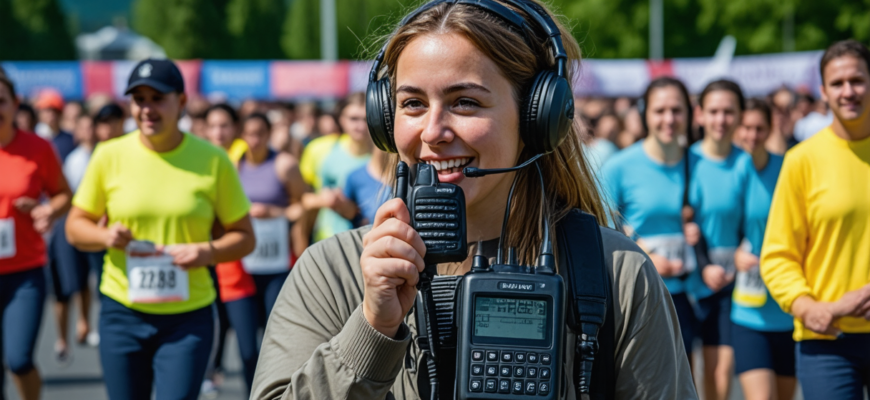
Amateur radio, often called ham radio, is a versatile hobby that combines technical skills with effective communication. When it comes to events—festivals, marathons, emergency drills—portable ham radios become invaluable tools for reliable, instant communication across various distances. This comprehensive guide aims to introduce beginners to the essentials of operating portable ham radios at events, covering everything from equipment selection to operational best practices. Whether you’re volunteering, organizing, or simply eager to expand your skills, this article provides the necessary knowledge to succeed.
- Understanding the Basics of Portable Ham Radio
- What is a Portable Ham Radio?
- Key Features of Portable Ham Radios
- Choosing the Right Equipment for Event Operations
- Types of Portable Ham Radios
- Essential Accessories
- Preparing for Operating at an Event
- Pre-Event Planning
- Frequency and Channel Management
- Operational Best Practices During the Event
- Proper Radio Communication Protocols
- Maintaining Radio and Equipment
- Handling Emergencies and Unexpected Situations
- Legal and Licensing Considerations
- Practical Tips for Successful Portable Ham Radio Operation at Events
- Tip 1: Practice Makes Perfect
- Tip 2: Maintain a Clear Line of Sight
- Tip 3: Use Proper Antennas
- Tip 4: Establish Clear Communication Hierarchies
- Tip 5: Keep a Log of Communications
- Sample Setup and Configuration for Event Communications
- Sample Frequency Allocation Table
- Sample Communication Protocol
- The Path to Confident and Effective Portable Ham Radio Operation
Understanding the Basics of Portable Ham Radio
What is a Portable Ham Radio?
Portable ham radios are compact, lightweight transceivers designed for mobility and ease of use in various environments. Unlike base stations, these radios are built to operate on battery power, making them ideal for outdoor and event settings. They provide reliable voice communication over short to moderate distances, often utilizing VHF or UHF bands, which are well-suited for local event coordination.
Key Features of Portable Ham Radios
- Compact size — easy to carry and handle during events.
- Battery-powered operation — portability and independence from external power sources.
- Selectable frequencies — flexibility to operate across various channels.
- Durability — rugged construction for outdoor use.
- Simple controls — user-friendly interfaces suitable for beginners.
Choosing the Right Equipment for Event Operations
Types of Portable Ham Radios
Choosing the appropriate radio depends on the specific needs of the event. Here are the common types:
| Type | Description | Best For |
|---|---|---|
| Handheld Transceiver (Walkie-Talkie) | Small, portable, battery-operated device with limited range (up to several kilometers). | Coordinating small teams, event staff, security. |
| Mobile Radio | Larger unit often installed in vehicles, greater output power, extended range. | Mobile operations, larger event sites, support vehicles. |
| Portable Base Station | Stationary or semi-mobile units with higher power, often connected to external antennas. | Event command centers, broadcast coordination. |
Essential Accessories
- Antenna — For improved signal quality and range.
- Extra Batteries — Ensures continuous operation during long events.
- Headsets and Microphones — For hands-free communication in noisy environments.
- Carrying Case — Protects equipment during transport and setup.
- Radio Programming Software — To facilitate quick setup and channel management.
Preparing for Operating at an Event
Pre-Event Planning
Effective communication depends heavily on organization and preparation. Consider the following steps:
- Define communication goals — What information needs to be transmitted?
- Select designated channels — Arrange specific frequencies for different teams or purposes.
- Coordinate with team members — Ensure everyone understands their roles and radio procedures.
- Check regulations — Adhere to local licensing and frequency use policies.
- Gather equipment — Secure all necessary devices and accessories.
- Conduct test runs — Practice operating the radio in conditions similar to the event environment.
Frequency and Channel Management
Choosing the right frequencies and establishing clear channels is critical. Here’s a simple method:
- Identify free or designated amateur radio channels — Use official band plans or consult local regulations.
- Set up repeaters if necessary — To extend communication range.
- Plan channels for specific teams or functions — For example, security, logistics, medical assistance.
- Establish a calling channel — For initiating communication and requesting assistance.
Operational Best Practices During the Event
Proper Radio Communication Protocols
Clear, concise, and professional communication enhances efficiency. Here are key practices:
- Use standard abbreviations and callsigns — To identify yourself and your team.
- Keep transmissions brief and to the point — Avoid unnecessary chatter.
- Listen before transmitting — To avoid interference and understand ongoing conversations.
- Use clear voice articulation — Especially in noisy environments.
- Follow designated channels and protocols — To maintain order and prevent confusion.
Maintaining Radio and Equipment
Regular maintenance during an event ensures continuous communication:
- Monitor battery levels and recharge or swap as needed.
- Check antenna connections and signal quality periodically.
- Keep equipment clean and protected from dust or moisture.
- Record any technical issues for troubleshooting afterward.
Handling Emergencies and Unexpected Situations
In case of emergencies, effective use of radio communication can save lives:
- Designate a specific emergency channel or code.
- Train team members on emergency procedures and priority messaging.
- Maintain a list of local emergency contacts and procedures.
- Use simple, standardized messages such as “Emergency, need assistance” or “Evacuate area.”
Legal and Licensing Considerations
Operating amateur radio involves adherence to regulations and licensing requirements:
- Obtain an amateur radio license — Depending on your country, license classes vary, but most require passing an exam.
- Use designated amateur radio frequencies — Commercial or other frequencies are off-limits without proper authorization.
- Follow operating procedures — Including power limits, identification protocols, and operational guidelines.
- Respect privacy and confidentiality — Avoid transmitting sensitive information.
Practical Tips for Successful Portable Ham Radio Operation at Events
Tip 1: Practice Makes Perfect
Before the event, spend ample time familiarizing yourself with your radio’s features, controls, and programming. Conduct test communications with team members to ensure everyone understands protocols and can operate effectively under real conditions.
Tip 2: Maintain a Clear Line of Sight
Most portable radios perform best with unobstructed signals. When possible, position antennas and personnel to optimize line-of-sight communication, especially in large outdoor areas.
Tip 3: Use Proper Antennas
Attach high-quality, appropriate antennas and avoid placing them near metal objects or other sources of interference for optimal signal integrity.
Tip 4: Establish Clear Communication Hierarchies
Define roles such as team leader, emergency coordinator, and typical team members, each with designated channels or call signs to streamline coordination.
Tip 5: Keep a Log of Communications
Record key messages, times, and incidents to facilitate post-event review and improve future operations.
Sample Setup and Configuration for Event Communications
Sample Frequency Allocation Table
| Team/Function | Recommended Frequency | Notes |
|---|---|---|
| Event Command | 147.150 MHz (Example) | Primary control channel, use for command communication. |
| Security | 147.180 MHz | Secure communication for safety and security teams. |
| Medical Support | 147.210 MHz | Coordination with first aid and medical teams. |
| Logistics | 147.240 MHz | For coordinating supplies, setups, and logistics. |
Sample Communication Protocol
[Call Sign], [Channel], [Message]
Example:
"Team Alpha, this is Patrol One, all secure at checkpoint 3."
"Security, this is Control, proceed to staging area."
The Path to Confident and Effective Portable Ham Radio Operation
Operating a portable ham radio at events requires a combination of technical skills, strategic planning, and clear communication. For beginners, focusing on proper equipment selection, understanding operating procedures, and practicing in controlled environments can significantly enhance confidence and effectiveness. As experience grows, operators can explore advanced topics such as repeater systems, digital modes, and emergency protocols, further enlarging their capabilities in amateur radio service at public events.
Remember, amateur radio is not only a hobby but also a vital service during emergencies and large-scale gatherings. Developing proficient operating skills not only benefits individual growth but also contributes to successful and safe event management.
For further learning, consider participating in local amateur radio clubs, attending training sessions, and engaging with online communities dedicated to amateur radio operations and event support.
Похожие записи:
 Mastering Multiple Frequency Programming: The Ultimate Guide for Amateur Radio Enthusiasts
  Rugged Radios for Adventurers and Fieldwork: The Ultimate Guide to Reliable Communication
  Ultimate Guide: How to Stay Safe While Operating Outdoors with Amateur Radio
  Portable Spectrum Analyzers for Field Frequency Testing: A Complete Guide for Amateur Radio Enthusiasts
  Top 10 Portable Ham Radios for On-the-Go Enthusiasts
  Mastering Your Amateur Radio Antenna: Comprehensive Guide to Tuning and Testing
  Building a Portable Ham Radio Station for Outdoor Expeditions: The Ultimate Guide
  Developing Effective Emergency Preparedness Plans with Ham Radio: A Comprehensive Guide for Amateur Radio Enthusiasts
  Emergency Communication Protocols for Ham Radio Operators: The Latest Updates and Best Practices
  Build Your Own Portable Solar Power Setup for Radio Operations: A Comprehensive Guide
  Effective Tips for Organizing Successful Ham Radio Contests: A Comprehensive Guide
  Portable Antenna Analyzers for Precise Tuning: The Ultimate Guide for Amateur Radio Enthusiasts
  Mastering DXing: Expert Tips for Contacting Rare Amateur Radio Stations
  Mastering Digital Voice Conferences: How to Participate Effectively in the Modern Amateur Radio Era
  Mastering Regulatory Changes: A Comprehensive Guide for Amateur Radio Enthusiasts
  Advances in Battery Technology for Portable Ham Radio Use: Powering the Future of Amateur Radio