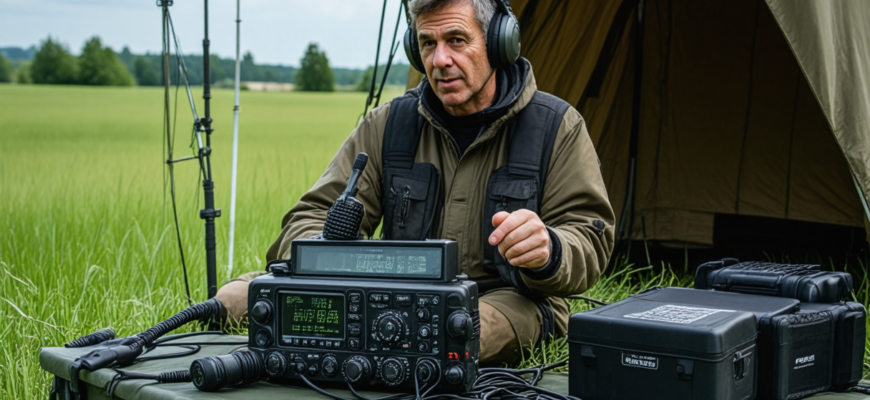
Amateur radio operators play a crucial role in emergency communication and community service, especially during field days and disaster scenarios. Properly preparing your radio setup not only ensures reliable communication when it matters most but also enhances your technical skills and confidence. This comprehensive guide covers everything from choosing the right equipment to setting up a resilient station, with practical tips, checklists, and technical insights to optimize your readiness for field activities and emergency situations.
- Understanding the Importance of Proper Preparation
- Key Elements of a Well-Prepared Amateur Radio Station
- Choosing the Right Equipment
- Transceivers
- Antenna Systems
- Power Supplies
- Setting Up for Success: The Technical Process
- Site Selection and Preparation
- Installing and Tuning the Antenna
- Power Management and Backup Planning
- Operating Procedures and Best Practices
- Proper Station Setup
- Communication and Logging
- Anticipating and Troubleshooting Common Issues
- Safety Considerations in the Field
- Electrical Safety
- Weather Preparedness
- Personal Safety and Team Coordination
- Checklist for Emergency and Field Day Readiness
- Achieving a Ready and Resilient Radio Station
- Additional Resources
Understanding the Importance of Proper Preparation
In any emergency or organized field operation, the reliability and efficiency of your amateur radio station can be a lifesaver. Proper preparation minimizes technical issues, maximizes signal quality, and ensures smooth operation under challenging conditions. Whether participating in a national Field Day event or practicing for disaster readiness, a well-prepared station is vital to effective communication.
Key Elements of a Well-Prepared Amateur Radio Station
- Appropriate Equipment — Transceivers, antennas, power sources
- Reliable Power Supply — Batteries, generators, solar panels
- Effective Antenna System — Design, placement, tuning
- Robust Grounding System — Safety and signal integrity
- Efficient Communication Accessories — Headsets, microphones, logging software
- Proper Site Selection and Shelter — Protection from elements, accessibility
- Backup Plans and Redundancies — Spare parts, alternative configurations
Choosing the Right Equipment
Transceivers
The heart of your station is the transceiver, which converts radio signals into audio and vice versa. For field operations, portable and mobile radios are preferred. Consider models that:
- Operate on multiple bands (HF, VHF, UHF)
- Have sufficient power output (at least 50W for HF, 25W for VHF/UHF)
- Feature durable construction for outdoor use
- Include built-in batteries or are compatible with external power sources
Antenna Systems
Choosing the right antenna and its placement are critical for effective communication. Types include vertical, dipole, long-wire, and beam antennas. Factors to consider:
- Frequency compatibility
- Ease of setup and packing
- Signal gain and directivity
Power Supplies
Reliable power is essential for uninterrupted operation. Options include:
- Rechargeable batteries — Lithium-ion or lead-acid, with known capacity
- Portable generators — Gasoline or propane-powered for high power needs
- Renewable sources — Solar panels and portable wind turbines for extended deployments
Setting Up for Success: The Technical Process
Site Selection and Preparation
Choose a location that maximizes signal reach and minimizes interference. Key considerations include:
- High ground or open fields
- Minimal obstructions between your antenna and the horizon
- Accessibility for transportation and logistics
Ensure the site has adequate shelter for equipment, protection against weather, and access to power sources. Mark the spot clearly and prepare for quick setup and teardown.
Installing and Tuning the Antenna
Proper antenna installation enhances signal strength and quality. Follow these steps:
- Assemble the antenna according to manufacturer instructions.
- Secure it firmly to resist wind and weather.
- Connect the feedline carefully, ensuring tight and waterproof connections.
- Adjust the antenna length or position for optimal tuning—use an SWR meter or antenna analyzer to verify.
Optimal SWR (Standing Wave Ratio) should be close to 1:1, indicating efficient power transfer.
Power Management and Backup Planning
Configure your power sources to ensure continuous operation. Test batteries thoroughly before deployment, and have spare batteries and connectors available. For generator use, conduct test runs to verify fuel and functionality. Solar panels should be positioned in sunlight with minimal shading.
Operating Procedures and Best Practices
Proper Station Setup
- Arrange all equipment for ergonomics and safety.
- Use proper grounding to reduce static and improve safety.
- Ensure all cables and connections are weatherproofed.
Communication and Logging
Maintain clear protocols for message handling, including using standard formats like ARRL radiogram or CW abbreviations. Use logging software to record contacts, signal reports, and frequencies. Digital logging options save time and reduce errors.
Anticipating and Troubleshooting Common Issues
- High SWR — Check antenna connections and resonance; re-tune if necessary.
- Power failures — Confirm battery charge and generator operation.
- Interference or noise — Relocate cables or equipment, add filters if needed.
- Weak signals — Improve antenna height, orientation, or switch bands.
Safety Considerations in the Field
Electrical Safety
Always adhere to electrical safety standards. Use grounded equipment, avoid contact with live wires, and operate generators in open air away from flammable materials.
Weather Preparedness
Protect equipment from rain and moisture with waterproof covers. Use wind-resistant setups, and be ready to dismantle equipment during severe weather alerts.
Personal Safety and Team Coordination
Maintain clear communication among team members. Use protective gear when necessary, and establish emergency procedures for medical or safety incidents.
Checklist for Emergency and Field Day Readiness
| Category | Items to Verify |
|---|---|
| Transceiver | Operational, charged battery, antenna connection |
| Antenna System | Assembled, properly tuned, securely mounted |
| Power Supplies | Batteries charged, generator fueled, solar panels positioned |
| Wiring and Cables | All connections waterproofed and organized |
| Tools and Spare Parts | SWR meters, screwdrivers, spare connectors, tools for repairs |
| Safety Equipment | Gloves, grounded mats, fire extinguisher |
| Documentation | Operating manuals, logging forms, emergency contact info |
Achieving a Ready and Resilient Radio Station
Preparing your amateur radio setup for field day or emergency drills requires meticulous planning, technical knowledge, and practical experience. By selecting suitable equipment, understanding proper setup techniques, and implementing safety protocols, operators can greatly enhance their effectiveness in critical situations. Regular drills and continuous learning are key to maintaining a high level of readiness. Ultimately, a well-prepared radio station can serve as a vital link in emergency response efforts, helping save lives and support communities in times of need.
Additional Resources
- ARRL Field Day Official Guidelines
- Antenna Tuning and Maintenance Tips
- Emergency Power Solutions for Amateur Radio
- Digital Logging and Communication Software
Похожие записи:
 Mastering Emergency Operations: Essential Tips for Responsible Amateur Radio Communication
  Top Picks for Emergency Radio Kits: Essential Gear for Every Preparedness Kit
  Build Your Own Portable Solar Power Setup for Radio Operations: A Comprehensive Guide
  Developing Effective Emergency Preparedness Plans with Ham Radio: A Comprehensive Guide for Amateur Radio Enthusiasts
  How to Choose Your First Amateur Radio Transceiver: Essential Tips for Beginners
  Portable Spectrum Analyzers for Field Frequency Testing: A Complete Guide for Amateur Radio Enthusiasts
  Mastering DXing: Expert Tips for Contacting Rare Amateur Radio Stations
  Ultimate Guide to Lightning Protection Gear for Your Radio Setup
  Beginner’s Guide to Operating Portable Ham Radio at Events: Mastering Communication for Event Support
  Mastering Radio Signal Recording and Analysis: Key Strategies for Improved Ham Radio Performance
  Mastering Your Amateur Radio Antenna: Comprehensive Guide to Tuning and Testing
  Emergency Communication Protocols for Ham Radio Operators: The Latest Updates and Best Practices
  Mastering Multiple Frequency Programming: The Ultimate Guide for Amateur Radio Enthusiasts
  Essential Tools for Cable and Connection Maintenance: A Complete Guide for Amateur Radio Enthusiasts
  Ultimate Guide to Staying Organized with Your Radio Accessories: Tips for Amateur Radio Enthusiasts
  Mastering Regulatory Changes: A Comprehensive Guide for Amateur Radio Enthusiasts