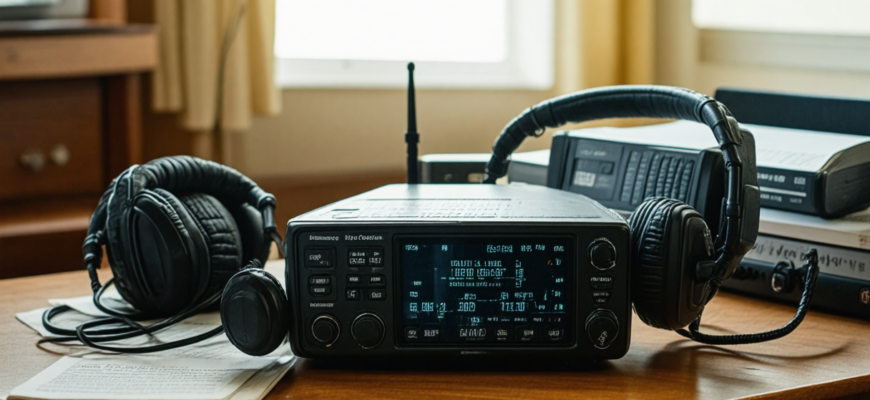
Embarking on the journey into amateur radio can be a rewarding experience, opening doors to worldwide communication, technical experimentation, and a vibrant community of enthusiasts. One of the most critical steps for newcomers is selecting the right transceiver—the heart of any amateur radio station. With numerous models, features, and price ranges available, making an informed choice can seem daunting. This comprehensive guide aims to demystify the process, providing practical advice, technical insights, and essential considerations to help beginners find their ideal first transceiver.
- Understanding the Basics of Amateur Radio Transceivers
- Key Functions of a Transceiver
- Important Factors When Choosing a First Transceiver
- 1. Budget and Cost Considerations
- 2. Frequency Bands and Modes
- 3. Ease of Use and Learning Curve
- 4. Power Output
- 5. Size and Portability
- Types of Amateur Radio Transceivers for Beginners
- 1. Desktop Transceivers
- 2. Mobile Transceivers
- 3. Handheld Transceivers (HTs)
- Technical Features to Compare in Transceivers
- Step-by-Step Guide to Selecting Your First Transceiver
- Step 1: Define Your Goals and Interests
- Step 2: Set a Realistic Budget
- Step 3: Research Suitable Models
- Step 4: Consider Compatibility and Accessories
- Step 5: Evaluate Ease of Use and Support Resources
- Step 6: Plan Your Antenna and Power Setup
- Additional Tips for First-Time Transceiver Buyers
- Future-Proofing Your Investment
- Sample Popular Entry-Level Transceivers
- Table of Recommended Models for Beginners
- Making the Right Choice for Your Amateur Radio Journey
- Additional Resources
Understanding the Basics of Amateur Radio Transceivers
Before diving into the specifics, it’s essential to grasp what an amateur radio transceiver (or “rig”) does and its role within a station. Essentially, a transceiver combines a transmitter and receiver in one device, enabling two-way communication over various frequency bands. These devices operate across different modes such as voice (AM, FM, SSB), data, and digital modes.
Key Functions of a Transceiver
- Transmit and receive signals: Allows contact with other operators locally or worldwide.
- Frequency control: Sets the exact frequency for transmission and reception.
- Mode selection: Switches between various modes like voice, CW ( Morse code), digital modes.
- Power management: Provides adjustable output power, usually from 5W to 100W or more.
Important Factors When Choosing a First Transceiver
Selecting the ideal beginner transceiver involves several key aspects. Understanding these factors helps narrow down choices, ensuring the device fits the skill level, interests, and future ambitions of the operator.
1. Budget and Cost Considerations
Amateur radios come in a wide price range, from economical entry-level models to advanced units costing thousands of dollars. Setting a clear budget assists in filtering options and avoiding overspending while ensuring quality and future compatibility.
2. Frequency Bands and Modes
Operators should consider which frequency bands and modes they wish to explore:
- HF (High Frequency, 3–30 MHz): Long-distance worldwide communications, ideal for DXing and contesting.
- VHF (Very High Frequency, 30–300 MHz): Local and regional communication, often used for repeaters.
- UHF (Ultra High Frequency, 300 MHz–3 GHz): Similar to VHF, with often better indoor coverage; useful for local contacts and satellite operation.
Additionally, modes such as FM, SSB (Single Side Band), CW, digital modes like PSK31, FT8, and D-STAR should align with the operator’s goals.
3. Ease of Use and Learning Curve
Beginners benefit most from transceivers with intuitive controls, clear interfaces, and comprehensive documentation. Some radios come with built-in tutorials or smart features to facilitate learning.
4. Power Output
Most beginner transceivers offer adjustable power, typically up to 50W, which is sufficient for local and regional contacts. Higher power radios (100W+) are available but often come with increased complexity and cost.
5. Size and Portability
Consider the physical size—desktop units are more powerful but less portable, while mobile or handheld transceivers allow operation on the move, perfect for field activities or portable operation.
Types of Amateur Radio Transceivers for Beginners
1. Desktop Transceivers
Stationary, full-featured radios designed for home use, often featuring advanced filters, multiple bandwidth options, and versatile modes. Examples include the ICOM IC-7300 and Yaesu FT-991A. They typically require external power supplies and antennas.
2. Mobile Transceivers
Designed for installation in vehicles but also usable as standalone units. They are compact and offer a good balance of features and portability. Models like the Kenwood TS-2000 are popular among enthusiasts.
3. Handheld Transceivers (HTs)
Portable radios ideal for field operations, emergency communications, and quick setups. Modern HTs often include multi-band capabilities, digital modes, and GPS support. Examples include the Yaesu FT-60R and BaoFeng UV-5R.
Technical Features to Compare in Transceivers
| Feature | Description | Importance for Beginners |
|---|---|---|
| Frequency Coverage | Range of frequencies the radio can tune into | Ensures access to desired bands and modes |
| Modes Supported | Voice (AM/FM/SSB), CW, digital modes | Allows exploring various communication styles |
| Power Output | Maximum transmission power (W) | Influences transmission range & station setup complexity |
| Display and User Interface | Screen size, backlight, menu design | Impacts ease of operation and learning curve |
| Connectivity Ports | USB, audio out, external control, GPS | Facilitates digital modes and logging |
| Build Quality & Durability | Material strength, weather resistance | Important for portable and outdoor use |
Step-by-Step Guide to Selecting Your First Transceiver
Step 1: Define Your Goals and Interests
Determine what you want to achieve with amateur radio. Are you interested in long-distance DX communications, local contacts, digital modes, or field operations? Clarifying these points helps choose the right bands and features.
Step 2: Set a Realistic Budget
Beginner-friendly models are available under $500, with mid-range options around $800–$1500. Higher-end units provide more features but may be unnecessary initially.
Step 3: Research Suitable Models
Compare models based on features, user reviews, and reputation among the amateur radio community. Popular beginner models include:
- Yaesu FT-70D (compact FM transceiver)
- Baofeng UV-5R (affordable, versatile handheld)
- ICOM IC-7300 (HF transceiver with advanced features)
Step 4: Consider Compatibility and Accessories
Ensure the transceiver supports standard accessories like microphones, external antennas, and software for digital modes. Compatibility with your existing or planned antenna system significantly impacts performance.
Step 5: Evaluate Ease of Use and Support Resources
Seek out user manuals, online tutorials, and active user communities. Brands with reliable customer support facilitate smoother learning experiences for beginners.
Step 6: Plan Your Antenna and Power Setup
The transceiver’s effectiveness depends on a suitable antenna and power supply. Budget for these components as part of your overall setup.
Additional Tips for First-Time Transceiver Buyers
- Attend local amateur radio events or clubs: Getting hands-on experience with different models helps in making an informed decision.
- Explore software-defined radios (SDRs): These radios digitize signals for flexible operation and often come with user-friendly interfaces, ideal for beginners keen on digital modes.
- Opt for radios with firmware updates: Ensures longevity and feature improvements over time.
- Read reviews and forums: Online communities like QRZ and eHam.net provide valuable insights into real-world performance.
Future-Proofing Your Investment
As skills grow, many amateur radio operators expand their stations with additional equipment, digital interfaces, and advanced antennas. Choosing a versatile transceiver with expandable features can be a wise strategy for beginners aiming for long-term engagement.
Sample Popular Entry-Level Transceivers
Table of Recommended Models for Beginners
| Model | Type | Key Features | Price Range (USD) |
|---|---|---|---|
| Yaesu FT-70D | Handheld / VHF/UHF | Compact, dual-band, DMR support, rugged | $120–$200 |
| Baofeng UV-5R | Handheld / VHF/UHF | Very affordable, versatile, GPS option | $25–$50 |
| ICOM IC-7300 | HF / 6 meters | Modern touchscreen, SDR technology, multiple bands | $1,200–$1,500 |
| Yaesu FT-991A | All-band (HF, VHF, UHF) | Multi-mode, compact design, good for all-around use | $900–$1,200 |
Making the Right Choice for Your Amateur Radio Journey
Choosing the first transceiver is a pivotal step in embarking on amateur radio, setting the foundation for future growth and enjoyment. An ideal beginner radio balances affordability, ease of use, adaptability, and future expandability. By understanding your goals, assessing technical features, and engaging with the community, you can confidently select a transceiver that ignites your passion for radio communication. Remember, the journey into amateur radio is as much about exploration and learning as it is about the equipment, so choose a device that inspires curiosity and offers room to grow.
Additional Resources
- QRZ.com – Community forums and resources
- eHam.net – Reviews and discussion boards
- ARRL.org – Amateur radio licensing and guidelines
By following these guidelines, aspiring operators can confidently navigate the multitude of options and select a transceiver that will bring years of enjoyment, learning, and communication across distances.
Похожие записи:
 Comprehensive Review of Radio Programming Software for Beginners
  Comprehensive Review of the Latest Transceiver Models on the Market: Innovations and Performance for Amateur Radio Enthusiasts
  How to Build Your Own Homemade QRP Transceiver: A Comprehensive Guide for Amateur Radio Enthusiasts
  Ultimate Guide to Upgrading Your Amateur Radio Station with New Gear: Top Tips and Strategies
  Top Choices for Budget-Friendly Amateur Radio Equipment: A Comprehensive Guide for Hobbyists
  Top Picks for Emergency Radio Kits: Essential Gear for Every Preparedness Kit
  Mastering DXing: Expert Tips for Contacting Rare Amateur Radio Stations
  Effective Tips for Organizing Successful Ham Radio Contests: A Comprehensive Guide
  Essential Tools for Cable and Connection Maintenance: A Complete Guide for Amateur Radio Enthusiasts
  Integrating Software-Defined Radio into Your Daily Operations: A Comprehensive Guide for Amateur Radio Enthusiasts
  Top-Rated HF Transceivers for Experienced Operators: The Ultimate Guide
  The Future of Amateur Radio with Emerging Technologies
  Comprehensive Review of the Latest Mobile Radio Apps and Software for Amateur Enthusiasts
  Top 10 Portable Ham Radios for On-the-Go Enthusiasts
  Building a Portable Ham Radio Station for Outdoor Expeditions: The Ultimate Guide
  Top Accessories to Maximize Your Performance in Digital Mode Amateur Radio Operations