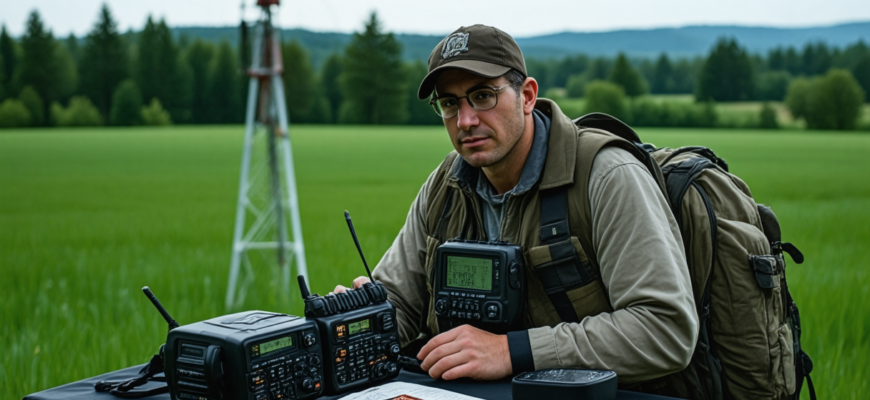
In times of crisis, effective communication is not just a matter of convenience but a critical factor that can save lives and coordinate vital aid. Amateur radio operators, often referred to as ham radio enthusiasts, play a crucial role during emergencies, providing reliable channels for communication when conventional systems fail. However, operating responsibly during such situations requires a clear understanding of best practices, ethical considerations, and technical guidelines.
- Understanding the Importance of Responsible Conduct in Emergency Situations
- Key Challenges in Emergency Radio Communication
- Foundational Tips for Responsible Operating in Emergencies
- 1. Prepare in Advance
- 2. Know the Legal and Regulatory Framework
- 3. Use Appropriate Frequencies and Protocols
- 4. Prioritize Life-Saving and Critical Communication
- 5. Practice Clear and Concise Communication
- 6. Demonstrate Courtesy and Respect
- 7. Maintain Technical Integrity
- Technical Best Practices for Emergency Operation
- 1. Ensure Equipment Reliability
- 2. Set Up Efficient Antenna Systems
- 3. Utilize Digital Modes When Appropriate
- 4. Implement Mitigating Techniques Against Interference
- 5. Record Communications When Feasible
- Ethical and Community Considerations
- 1. Respect Privacy and Confidentiality
- 2. Collaborate and Coordinate
- 3. Avoid Self-Assignment of Operational Authority
- 4. Support and Educate Less Experienced Operators
- Managing Emergency Communication Traffic: The Art of Efficiency
- 1. Use Structured Messaging Templates
- 2. Limit Personal Communications
- 3. Employ Digital Text Messaging When Possible
- Post-Emergency Responsibilities
- 1. Debrief and Document
- 2. Maintain Equipment for Future Readiness
- 3. Participate in Training and Community Education
- Emphasizing Responsibility for Effective Emergency Communication
Understanding the Importance of Responsible Conduct in Emergency Situations
Amateur radio operates under a code of ethics that emphasizes responsibility, courtesy, and technical competence. These principles become especially vital during emergencies, where mismanagement or unprofessional conduct can hinder relief efforts, cause confusion, or even exacerbate the crisis. Responsible operation ensures that communications are clear, respectful, and effective.
Key Challenges in Emergency Radio Communication
- High Traffic: Emergency situations often generate a surge of messages, overwhelming communication channels.
- Technical Limitations: Power outages, damaged infrastructure, and equipment failures can hinder communication.
- Interference and Congestion: Overlapping signals and crowded frequency bands can distort messages.
- Maintaining Clear and Reliable Communication: The need to prioritize essential communication and reduce noise.
Foundational Tips for Responsible Operating in Emergencies
1. Prepare in Advance
Proactive preparation is paramount. Operators should maintain updated emergency kits, verify their equipment regularly, and familiarize themselves with emergency procedures and local protocols. Practice drills foster confidence and ensure readiness.
2. Know the Legal and Regulatory Framework
Operating during emergencies still adheres to national and international regulations. Familiarize yourself with licensing requirements, permitted frequencies, and communication protocols established by authorities and governing bodies like the FCC (in the United States) or equivalent agencies in other countries.
3. Use Appropriate Frequencies and Protocols
Most regions designate specific frequencies and channels for emergency use. Employ those designated frequencies and follow standard “prosigns” and abbreviations to ensure concise and effective communication. For example, ” AKA” signifies acknowledgment, and “QTH” indicates your location.
4. Prioritize Life-Saving and Critical Communication
During emergencies, messages should be limited to vital information such as health status, resource needs, and safety updates. Non-essential conversations should be deferred to less congested channels.
5. Practice Clear and Concise Communication
Make messages straightforward, avoiding jargon and ambiguity. Use structured formats like the Radiogram or standardized message formats to improve clarity.
6. Demonstrate Courtesy and Respect
Always address others politely, listen actively, and avoid unnecessary chatter. Respect operational procedures and the efforts of other emergency responders.
7. Maintain Technical Integrity
Ensure your equipment is functioning correctly, verify that power sources are reliable, and operate within your skill level. Use backup power supplies like batteries or generators if necessary.
Technical Best Practices for Emergency Operation
1. Ensure Equipment Reliability
Regularly inspect and calibrate radios, antennas, and power sources. Keep spare batteries and necessary accessories on hand to prevent sudden failure during critical moments.
2. Set Up Efficient Antenna Systems
A well-designed antenna improves signal quality. Use portable, omnidirectional antennas during mobile or field operations, and ensure stability against environmental factors.
3. Utilize Digital Modes When Appropriate
Digital modes such as Winlink, VARA, or JS8Call offer enhanced efficiency, error correction, and encryption capabilities suitable for emergency communications. They are particularly useful in noisy environments or long-distance communications.
4. Implement Mitigating Techniques Against Interference
Use filters and select quieter frequencies. Employ techniques like frequency hopping or switching bands if interference becomes problematic.
5. Record Communications When Feasible
Maintaining logs of critical exchanges is valuable for accountability, situational analysis, and post-incident review. Ensure compliance with privacy laws and regulations regarding recording.
Ethical and Community Considerations
1. Respect Privacy and Confidentiality
Avoid sharing sensitive or private information unless authorized and necessary for emergency response.
2. Collaborate and Coordinate
Work seamlessly within established disaster response frameworks, such as the Incident Command System (ICS). Coordinate with official agencies and other volunteer groups to maximize efficacy.
3. Avoid Self-Assignment of Operational Authority
Operate under established plans and instructions. Refrain from taking initiative beyond your competence or authorization.
4. Support and Educate Less Experienced Operators
Share knowledge, and assist new operators in understanding responsible practices, fostering a resilient and skilled community.
Managing Emergency Communication Traffic: The Art of Efficiency
1. Use Structured Messaging Templates
Templates such as the ICS-213 Radiogram streamline important information. For example:
| Field | Sample Data |
|---|---|
| Message Type | Request for Medical Supplies |
| From | Callsign, Location |
| To | Receiving Agency |
| Message | Urgent need for first aid kits at Riverside Shelter. |
| Priority | High |
2. Limit Personal Communications
Reduce non-essential chatter to free bandwidth for emergency-critical messages. Use discretion to switch to less congested channels when possible.
3. Employ Digital Text Messaging When Possible
Digital modes allow for concise, clear, and recordable communication. They are less susceptible to noise and interference, making them ideal during high-traffic periods.
Post-Emergency Responsibilities
1. Debrief and Document
Record the events, signal conditions, and operational challenges faced during the response. This information is essential for future preparedness and official reports.
2. Maintain Equipment for Future Readiness
After an emergency, inspect, service, and upgrade equipment as needed to ensure preparedness for future incidents.
3. Participate in Training and Community Education
Continuing education enhances skills and awareness of best practices. Engage in local drills, workshops, and online courses for ongoing development.
Emphasizing Responsibility for Effective Emergency Communication
Amateur radio operators hold a vital position in emergency response networks. Their ability to operate responsibly, ethically, and effectively can significantly influence the success of relief efforts and the safety of affected populations. Preparedness, technical competence, adherence to protocols, and respectful communication form the backbone of responsible operation during emergencies. By fostering a disciplined approach, radio amateurs can ensure that their valuable skills are deployed for maximum positive impact when it is most needed.
In the realm of emergency situations, every message counts, every second matters, and responsible conduct can make all the difference. Operators are encouraged to continually refine their skills, understand their community’s needs, and uphold the highest standards of responsibility for the safety and well-being of all.
Похожие записи:
 Beginner’s Guide to Operating Portable Ham Radio at Events: Mastering Communication for Event Support
  Emergency Communication Protocols for Ham Radio Operators: The Latest Updates and Best Practices
  Top Picks for Emergency Radio Kits: Essential Gear for Every Preparedness Kit
  How to Choose Your First Amateur Radio Transceiver: Essential Tips for Beginners
  Developing Effective Emergency Preparedness Plans with Ham Radio: A Comprehensive Guide for Amateur Radio Enthusiasts
  Mastering Multiple Frequency Programming: The Ultimate Guide for Amateur Radio Enthusiasts
  Mastering DXing: Expert Tips for Contacting Rare Amateur Radio Stations
  Mastering Digital Voice Conferences: How to Participate Effectively in the Modern Amateur Radio Era
  Top Accessories to Maximize Your Performance in Digital Mode Amateur Radio Operations
  Ultimate Guide: Tips to Extend Your Radio’s Battery Life for Amateur Radio Enthusiasts
  Mastering Your Amateur Radio Antenna: Comprehensive Guide to Tuning and Testing
  Ultimate Guide: Tips for Setting Up Your Home Radio Station
  Essential Tools for Cable and Connection Maintenance: A Complete Guide for Amateur Radio Enthusiasts
  Integrating Software-Defined Radio into Your Daily Operations: A Comprehensive Guide for Amateur Radio Enthusiasts
  Rugged Radios for Adventurers and Fieldwork: The Ultimate Guide to Reliable Communication
  Simple Troubleshooting Tips for Common Radio Issues