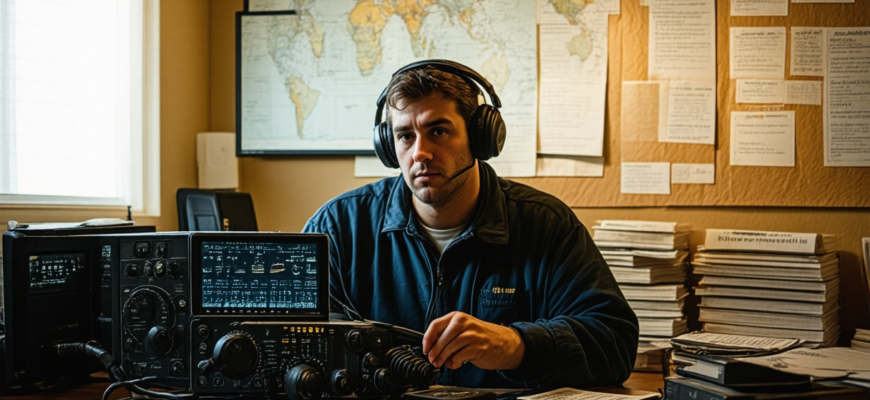
Engaging in a QSL card exchange is one of the most cherished traditions among amateur radio enthusiasts. These exchanges serve as a tangible record of communication, fostering camaraderie and technical connections worldwide. However, not all QSL exchanges proceed smoothly. Sometimes, operators encounter unexpected challenges, miscommunications, or technical difficulties that make the process more complex than anticipated. Learning from these difficult exchanges provides valuable insights that can improve future operations, reduce frustration, and enhance the overall enjoyment of amateur radio.
- Understanding the Importance of QSL Card Exchanges
- Common Challenges in QSL Card Exchanges
- Case Study: A Difficult QSL Card Exchange
- Lessons Learned from a Challenging QSL Card Exchange
- H1: Lesson 1 – Maintain Accurate and Complete Contact Information
- H3: Lesson 2 – Choose the Appropriate QSL Method
- H3: Lesson 3 – Develop a Systematic Approach to QSL Management
- H3: Lesson 4 – Be Patient and Flexible
- H3 – Lesson 5 – Leverage Technology for Clarity and Efficiency
- Advanced Strategies to Overcome Difficulties in QSL Exchanges
- H3: Building Strong Interpersonal Relationships
- H3: Understanding and Respecting Different Preferences
- H3: Recognizing and Managing Expectations
- Designing a Resilient QSL System
- Turning Challenges into Opportunities for Growth
- Additional Resources
- Final Thoughts
Understanding the Importance of QSL Card Exchanges
Before diving into lessons learned from challenging exchanges, it is crucial to understand what makes QSL cards an integral part of ham radio culture. These postcards or digital confirmations serve as proof of contacts, facilitating awards, contests, and personal satisfaction. Properly handling QSL exchanges involves technical, logistical, and interpersonal skills that ensure the process runs efficiently and accurately.
Common Challenges in QSL Card Exchanges
Amateur radio operators frequently face hurdles in QSL exchanges, especially when engaging with distant or unfamiliar stations. Some typical difficulties include:
- Miscommunication or incorrect addresses
- Technical issues with card printing or digital confirmation systems
- Language barriers
- Delays in postal or electronic delivery
- Incomplete or incorrect contact information
- Conflicting expectations (e.g., expecting a direct reply vs. a bureau service)
Case Study: A Difficult QSL Card Exchange
Consider a typical scenario where an experienced amateur operator attempts to confirm a contact with a rare station during a contest. Despite meticulous efforts, the exchange encounters numerous issues: the mailed card gets lost, the electronic QSL system fails to register the contact, and subsequent attempts to verify the contact produce conflicting information. This ordeal highlights the need for strategic planning and adaptability in QSL management.
Lessons Learned from a Challenging QSL Card Exchange
H1: Lesson 1 – Maintain Accurate and Complete Contact Information
The foundation of any successful QSL exchange is precise contact details. A common pitfall is using outdated or incorrect addresses, which leads to lost or undelivered cards. To prevent this:
- Verify contact information directly with the station if possible before sending a card.
- Update database records regularly to reflect new addresses or preferences.
- Use call signs as unique identifiers to avoid confusion with similar station identifiers.
Ensuring accuracy minimizes the risk of miscommunication and reduces the likelihood of lost correspondence.
H3: Lesson 2 – Choose the Appropriate QSL Method
Operators must decide whether to use traditional paper cards via postal service or digital confirmation systems such as eQSL or LOTW. Each has its advantages and constraints:
- Paper QSL cards: Ideal for collectors and personal exchanges; subject to postal delays and potential loss.
- Electronic QSLs: Instant confirmation; environmentally friendly; requires digital literacy.
Understanding the specific circumstances of the contact and mutual preferences will lead to more seamless exchanges.
H3: Lesson 3 – Develop a Systematic Approach to QSL Management
Handling numerous contacts can become overwhelming without a structured system. Effective practices include:
- Maintaining a digital database or logging system to track contacts, correspondence status, and preferences.
- Using standardized templates for QSL requests or confirmations to ensure consistency.
- Scheduling periodic reviews to follow-up on pending exchanges or discrepancies.
This organized approach reduces errors, saves time, and improves overall efficiency.
H3: Lesson 4 – Be Patient and Flexible
Despite careful planning, delays are inevitable. Postal services can be slow; electronic systems may experience outages; international mail might get lost. Adopting a patient attitude and flexibility is vital:
- Allow sufficient time for delivery before escalating or resending cards.
- Be open to using alternative confirmation methods if one fails.
- Communicate politely with contacts to resolve issues amicably.
This mindset fosters respectful relationships and long-term connections within the amateur radio community.
H3 – Lesson 5 – Leverage Technology for Clarity and Efficiency
Modern digital tools can significantly streamline QSL management. Some useful technologies include:
| Technology | Benefits | Examples |
|---|---|---|
| Database Software | Organization, tracking contacts and exchanges | Excel, LibreOffice Calc, specialized logging software |
| Digital Confirmation Platforms | Immediate verification, digital archiving | Logbook of The World (LOTW), eQSL, Club Log |
| Automation Tools | Mass processing, template generation | Macros, scripts, or specialized programs like QSL managing software |
Integrating these tools reduces manual errors and accelerates the confirmation process.
Advanced Strategies to Overcome Difficulties in QSL Exchanges
H3: Building Strong Interpersonal Relationships
Effective communication and establishing rapport with contacts can significantly ease the exchange process. Simple gestures like polite inquiries, quick responses, or expressing appreciation help foster trust. This is particularly useful for rare or distant stations.
H3: Understanding and Respecting Different Preferences
Every operator has preferences concerning how they handle QSLs. Some favor direct mailing; others prefer bureau services or electronic confirmation. Respect for these preferences reduces misunderstandings and increases the likelihood of successful exchanges.
H3: Recognizing and Managing Expectations
Clear communication about what participants expect—such as acknowledgment timeframes, preferred QSL methods, or types of content—prevents disappointment and clarifies mutual responsibilities.
Designing a Resilient QSL System
To prevent recurring issues, amateur radio operators should strive to develop a resilient QSL exchange system. Key components include:
- Regular Data Updates: Keep contact info current.
- Multiple Confirmation Channels: Use both paper and digital methods as appropriate.
- Documentation and Record Keeping: Maintain detailed logs for audit and follow-up.
- Engagement and Education: Inform contacts about best practices and preferences.
By doing so, operators minimize the impact of unexpected problems and create a positive experience for all parties involved.
Turning Challenges into Opportunities for Growth
A tough QSL card exchange, while frustrating, offers valuable lessons for amateur radio enthusiasts. From ensuring accurate contact details to leveraging technology and fostering respectful relationships, each obstacle can be transformed into an opportunity to improve skills and deepen connections within the ham radio community.
Finally, embracing patience, adaptability, and a systematic approach ensures that future exchanges — even those initially difficult — are successful and rewarding. The ultimate goal remains the same: building a rich network of international friendships and technical camaraderie, supported by well-managed and meaningful QSL exchanges.
Additional Resources
For further information on improving QSL management and troubleshooting common issues, consider exploring the following resources:
- ARRL – American Radio Relay League
- WIA – World International Amateur Radio Union
- eQSL
- Logbook of The World (LOTW)
Final Thoughts
Participating actively in QSL exchanges enhances the thrill of amateur radio by creating lasting bonds across borders. Despite challenges, continuous learning and adaptive strategies ensure that the experience remains fulfilling and enriching. Every tough exchange is an opportunity to refine skills, deepen relationships, and uphold the rich traditions of amateur radio.
Похожие записи:
 Memories from a Challenging QRP Expedition: Lessons, Triumphs, and Insights
  Revolutionizing Communications: The Latest Software Updates Enhancing Digital Modes in Amateur Radio
  Top Accessories to Maximize Your Performance in Digital Mode Amateur Radio Operations
  Mastering Emergency Operations: Essential Tips for Responsible Amateur Radio Communication
  Integrating Software-Defined Radio into Your Daily Operations: A Comprehensive Guide for Amateur Radio Enthusiasts
  Enhancing CW Skills with Cutting-Edge Training Software: Your Path to Radio Success
  Wireless Hotspot and Networking Devices for Remote Stations: Enhancing Connectivity for Amateur Radio Enthusiasts
  Build Your Own Portable Solar Power Setup for Radio Operations: A Comprehensive Guide
  Mastering Radio Signal Recording and Analysis: Key Strategies for Improved Ham Radio Performance
  Mastering DXing: Expert Tips for Contacting Rare Amateur Radio Stations
  Celebrating a Milestone with My Radio Club: A Journey of Achievement and Community Spirit
  How a Lost Radio Helped Reconnect a Community: The Power of Amateur Radio
  Getting Started with Digital Modes like FT8 and PSK31: A Complete Guide for Amateur Radio Enthusiasts
  The Day I Assisted in a Search and Rescue Operation: An Amateur Radio Operator’s Perspective
  How a Simple Antenna Repair Sparked a Long-lasting Friendship – An Amateur Radio Journey
  Legendary Operators Who Inspired Me: The Unsung Heroes of Amateur Radio