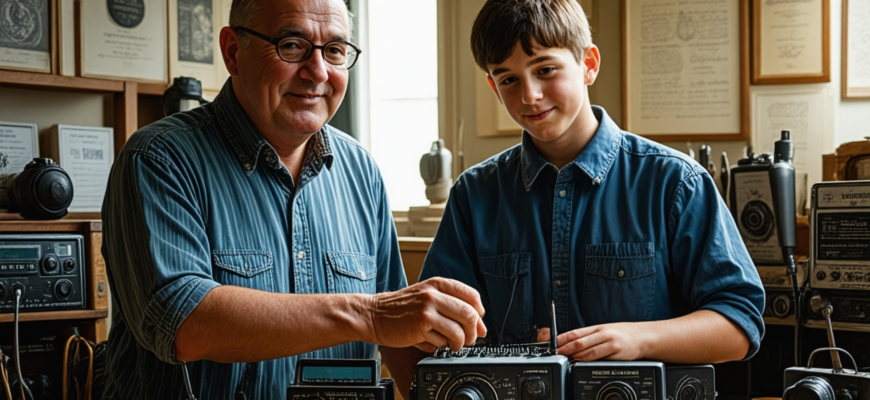
For many amateur radio enthusiasts, the journey into the world of ham radio is more than just a hobby — it’s a tradition embraced with passion and a sense of community. One of the most rewarding experiences is passing along personal radio equipment to someone just starting out. This act not only fosters the growth of the hobby but also cements bonds that span generations of radio operators. In this comprehensive article, we explore the significance of handing down radio gear, the emotional and practical aspects involved, and practical tips on making the transition smooth and meaningful for both the giver and the receiver.
- Understanding the Significance of Passing Down Radio Equipment
- The Spirit of Camaraderie in Amateur Radio
- Preserving Equipment as a Legacy
- The Emotional Benefits of Passing Down Radio Equipment
- Fostering Mentorship and Connection
- Creating Memorable Moments
- Practical Considerations for Handing Down Radio Equipment
- Assessing the Condition and Functionality
- Cleaning and Preparing Equipment for Transfer
- Compiling Documentation and Manuals
- Guidelines for a Smooth Transition
- Introducing the New Operator
- Offering Training and Support
- Encouraging Responsible Use
- Technical Tips for Effective Equipment Transfer
- Compatibility Checks
- Upgrading or Modifying Equipment
- Addressing Common Technical Challenges
- Legal and Ethical Aspects of Equipment Transfer
- Licensing and Certification
- Respecting Personal and Cultural History
- Case Studies: Stories of Joyful Handovers
- Passing on the Baton: A Veteran’s Legacy
- Supporting Newcomers in Remote Areas
- Long-term Benefits of Passing Down Radio Equipment
- Strengthening the Amateur Radio Community
- Encouraging Sustainability and Recycling
- The Unspeakable Joy of Giving
- Additional Resources
Understanding the Significance of Passing Down Radio Equipment
The Spirit of Camaraderie in Amateur Radio
Amateur radio, often called ham radio, thrives on camaraderie, knowledge sharing, and mentorship. When experienced operators transmit their equipment to newcomers, they perpetuate the spirit of community and preserve the traditions that define the hobby. It symbolizes trust, mutual respect, and the passing of intangible knowledge that goes beyond technical manuals.
Preserving Equipment as a Legacy
Many operators inherit their gear from relatives or mentors who cherished their equipment for decades. Handing down radios is a way to keep this legacy alive, transmitting not only the hardware but also stories, lessons, and passion. It transforms mere objects into symbols of shared history and collective effort.
The Emotional Benefits of Passing Down Radio Equipment
Fostering Mentorship and Connection
Sharing equipment creates a bridge between generations of radio operators. Mentoring helps beginners gain confidence and builds a lifelong bond. For the veteran operator, it’s a profound fulfillment to see a new operator thrive with gear that was once part of their own journey.
Creating Memorable Moments
Passing equipment often involves stories behind each piece—how it was acquired, used in memorable contacts, or participated in contests. These narratives enrich the act of transfer, making it more than just an exchange of hardware but a sharing of history and experiences.
Practical Considerations for Handing Down Radio Equipment
Assessing the Condition and Functionality
| Component | Assessment Criteria | Notes |
|---|---|---|
| Transmitters & Receivers | Operational, recently serviced, calibrated | Test with proper antenna connections |
| Antennas & Feed Lines | Intact, free of corrosion, good connectivity | Inspect for wear and tear, replace if necessary |
| Power Supplies | Stable voltage output, no unusual noise | Test with multimeter, clean connections |
| Accessories & Accessories | Microphones, SWR meters, tuners | Clean, functional, include manuals if available |
Cleaning and Preparing Equipment for Transfer
Before handing over the equipment, thoroughly clean all components. Use appropriate cleaning solutions for delicate parts and ensure that connectors and controls function smoothly. Providing the new operator with a clean, well-maintained setup encourages proper care and use.
Compiling Documentation and Manuals
An organized folder containing manuals, schematics, and past maintenance records adds value and clarity. It helps the new operator understand how to operate, troubleshoot, and maintain the gear effectively.
Guidelines for a Smooth Transition
Introducing the New Operator
- Schedule a time for the handover to allow for a detailed walkthrough.
- Explain the purpose and history of each piece of equipment.
- Demonstrate basic operation and safety precautions.
Offering Training and Support
Providing initial guidance on operating the equipment, local regulations, and operating etiquette boosts the confidence of the new ham. Encouraging questions and emphasizing ongoing support foster a continued learning environment.
Encouraging Responsible Use
Emphasize the importance of following licensing regulations, maintaining equipment, and practicing good operating manners (QRO, QRP, etc.). Instill a sense of responsibility to uphold the integrity of the hobby.
Technical Tips for Effective Equipment Transfer
Compatibility Checks
Ensure the equipment is compatible with the new operator’s license class and operational goals. For example:
- VHF/UHF vs. HF capabilities
- Digital modes support
- Power output levels
Upgrading or Modifying Equipment
If the equipment requires updates, consider installing modern modules or antennas to enhance its performance. However, ensure modifications are documented and reversible to prevent issues during inspections.
Addressing Common Technical Challenges
- Intermittent connections: Check connectors and replace damaged cables or adapters.
- Signal quality issues: Verify antenna configuration and grounding.
- Power problems: Confirm power supply stability and fuse integrity.
Legal and Ethical Aspects of Equipment Transfer
Licensing and Certification
Ensure the recipient holds the appropriate license class for the equipment’s capabilities. Discuss legal restrictions, operating frequencies, and power limits to prevent inadvertent violations.
Respecting Personal and Cultural History
Be sensitive to any sentimental value attached to specific gear. Respect the original owner’s attachments and stories, fostering an environment of respect and appreciation.
Case Studies: Stories of Joyful Handovers
Passing on the Baton: A Veteran’s Legacy
Describe a typical scenario where a seasoned ham, nearing retirement, decides to pass down their vintage station to a young enthusiast. The transfer includes heartfelt stories, technical guidance, and mutual smiles — solidifying a bond that transcends the gear itself.
Supporting Newcomers in Remote Areas
Illustrate how sharing equipment with underserved communities can empower new hams to participate actively in emergency communications, learning, and community service, fostering inclusivity and resilience.
Long-term Benefits of Passing Down Radio Equipment
Strengthening the Amateur Radio Community
By sharing gear across generations and geographies, the hobby remains vibrant, innovative, and connected. Such acts of generosity lead to new friendships, collaborations, and technological advancements.
Encouraging Sustainability and Recycling
Passing down equipment extends its lifecycle and reduces electronic waste. Responsible sharing promotes environmental sustainability while nurturing the next wave of operators.
The Unspeakable Joy of Giving
Handing down radio equipment transcends the act of merely transferring hardware; it embodies mentorship, legacy, and community spirit. It offers a unique opportunity to inspire newcomers, preserve traditions, and enrich the shared passion for amateur radio. As each piece of equipment finds a new home, it carries with it stories, aspirations, and the promise of countless future contacts — a testament to the enduring power of this timeless hobby.
Additional Resources
- Amateur Radio Licensing Guides
- Effective Radio Station Maintenance
- Building Your First Ham Radio Station
- Mentorship Programs in Ham Radio
Embrace the joy of passing down your radio equipment — it’s more than an exchange; it’s a tradition of sharing knowledge, fostering growth, and keeping the spirit of amateur radio alive for generations to come.
Похожие записи:
 Legendary Operators Who Inspired Me: The Unsung Heroes of Amateur Radio
  Memories of a Radio Swap Meet Day: A Nostalgic Journey into the World of Ham Radio
  Celebrating a Milestone with My Radio Club: A Journey of Achievement and Community Spirit
  Top Choices for Budget-Friendly Amateur Radio Equipment: A Comprehensive Guide for Hobbyists
  Ultimate Guide: Best Practices for Maintaining and Extending the Lifespan of Your Radio Equipment
 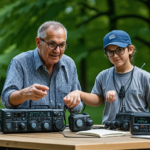 How to Mentor New Ham Radio Operators and Expand the Community
  Unlocking the Power of Connection: The Benefits of Joining Amateur Radio Contesting Communities
  Memories from a Challenging QRP Expedition: Lessons, Triumphs, and Insights
  How a Simple Antenna Repair Sparked a Long-lasting Friendship – An Amateur Radio Journey
  How a Lost Radio Helped Reconnect a Community: The Power of Amateur Radio
  The Time My Portable Station Surprised Everyone: A Spectacular Moment in Amateur Radio
  The Day I Helped Set Up a Remote Station for a Contest
  Experiencing the Magic of a Sporadic E Opening – An Amateur Radio Enthusiast’s Guide
  Maximizing Ham Radio Community Engagement Through Social Media
  Building My First Transceiver and the Challenges Faced: An Amateur Radio Enthusiast’s Journey
  The Day I Assisted in a Search and Rescue Operation: An Amateur Radio Operator’s Perspective