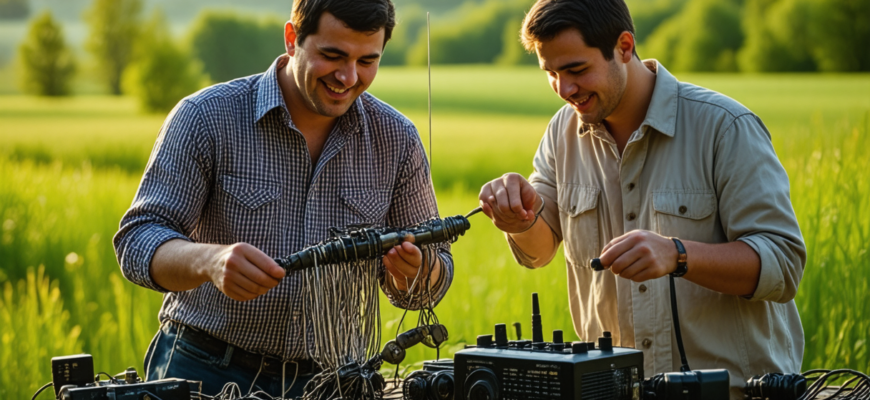
In the world of amateur radio, many stories of camaraderie, technical discovery, and unexpected friendships originate from simple acts—like fixing a broken antenna. This article explores how a minor repair not only restored communication but also blossomed into a meaningful, enduring friendship. Through this narrative, we delve into the technical aspects of antenna repair, the social bonds formed, and the invaluable lessons learned along the way within the vibrant community of amateur radio enthusiasts.
Amateur radio, or ham radio, is more than just a hobby—it’s a global community built on shared knowledge, passion for communication, and mutual support. It often begins with a simple curiosity: an antenna that no longer transmits properly. What unfolds from this initial technical challenge can be extraordinary, often leading to new friendships, collaborative projects, and lifelong memories.
- The Significance of Antennas in Amateur Radio
- Types of Common Amateur Radio Antennas
- Importance of Proper Maintenance
- The Story Begins: Discovering the Fault
- The Initial Problem
- Diagnosing the Issue
- Planning the Repair Process
- Gathering Tools and Materials
- Technical Considerations
- Executing the Repair
- Removing the Damaged Components
- Replacing Insulators and Wiring
- Ensuring Proper Electrical and Mechanical Connections
- Testing the Repaired Antenna
- Verifying SWR and Signal Strength
- Learning from the Experience
- The Unintended Friendship: Connecting with a Fellow Enthusiast
- The Unexpected Gift of Assistance
- From Technical Support to Personal Connection
- Collaborative Projects and Friendship Growth
- The Broader Impact of Friendly Collaborations
- Benefits for Amateur Radio Enthusiasts
- Encouraging Newcomers to Engage
- Technical Insights: How to Properly Repair and Maintain Antennas
- Step-by-Step Antenna Repair Checklist
- Preventative Maintenance Tips
- Additional Resources for Amateur Radio Enthusiasts
- Final Thoughts
The Significance of Antennas in Amateur Radio
Before exploring the story of repair and friendship, it’s essential to understand the central role antennas play in amateur radio. An antenna is the interface between the radio transceiver and the electromagnetic waves used to transmit and receive signals. The quality, design, and maintenance of an antenna directly impact communication quality and range.
Types of Common Amateur Radio Antennas
- Dipole Antennas
- Vertical Antennas
- Yagi Antennas
- Magnetic Loop Antennas
- Wire Antennas
Importance of Proper Maintenance
Antennas are exposed to environmental elements—wind, rain, snow, and corrosion—that can degrade their performance over time. Regular inspection and maintenance are vital to ensure optimal operation, especially for those involved in long-distance (DX) communications or participating in contests and emergency operations.
The Story Begins: Discovering the Fault
The Initial Problem
John, an avid amateur radio operator with a modest backyard station, noticed a significant drop in signal quality during his usual communications. He checked his transceiver but found no issues there. Upon inspection of his antenna, he realized that the SWR (Standing Wave Ratio) meter registered sky-high readings, indicating a mismatch or damage.
Diagnosing the Issue
After some basic troubleshooting—checking cable connections, ensuring proper grounding, and inspecting the antenna physically—John discovered a torn insulator and broken insulator wire at the antenna’s feed point. It was evident that the antenna had suffered damage from recent storms and exposure over time.
Planning the Repair Process
Gathering Tools and Materials
To fix the antenna, John prepared an array of tools and materials:
- Wire cutters and pliers
- Soldering iron and solder
- Replacement insulators and wire
- Clamps and cable ties
- Protective gloves and safety goggles
Technical Considerations
| Parameter | Ideal Values | Observations |
|---|---|---|
| SWR | < 1.5:1 | High SWR indicated mismatch |
| Wire Thickness | 10-14 AWG | Appropriate for the antenna length and durability |
| Insulator Resilience | Weather-resistant material | Required for outdoor exposure |
Executing the Repair
Removing the Damaged Components
Carefully detaching the broken wire and damaged insulators from the antenna structure was the first step. It was important to handle the parts gently, avoiding further damage to the remaining components.
Replacing Insulators and Wiring
The damaged insulators were replaced with weather-resistant, UV-stabilized materials designed for outdoor use. New wire segments were cut to appropriate lengths based on the antenna’s design specifications and soldered onto the feeding points.
Ensuring Proper Electrical and Mechanical Connections
All joints were soldered securely, ensuring low resistance connections. Cable ties and clamps were used to stabilize the wiring and prevent movement or strain during wind or storms.
Testing the Repaired Antenna
Verifying SWR and Signal Strength
After completing the repair, John used his antenna analyzer to measure the SWR. Successful repair was confirmed when the SWR dropped to the acceptable range (< 1.5:1). He also tested by making contacts on different bands, noting an impressive improvement.
Learning from the Experience
This practical repair not only restored functionality but also deepened John’s understanding of antenna design and maintenance. It empowered him to perform routine checks and minor repairs independently in the future.
The Unintended Friendship: Connecting with a Fellow Enthusiast
The Unexpected Gift of Assistance
While troubleshooting the antenna, John posted a photo and description of his repair process on a popular amateur radio forum. Soon, a message appeared from Alex, an experienced radio hobbyist living a few towns away, who offered advice and encouragement.
From Technical Support to Personal Connection
Their conversations extended beyond technical questions. They discussed antennas, radio bands, favorite equipment, and even personal interests. Alex, who had decades of experience, shared stories from his own lifetime of radio operation, instilling motivation and confidence in John.
Collaborative Projects and Friendship Growth
Within months, John and Alex organized local meetups, participated in joint field days, and exchanged parts and knowledge. Their friendship was built on mutual respect, shared interests, and a common passion for amateur radio. This relationship exemplifies how technical challenges can lead to meaningful social connections within the hobby community.
The Broader Impact of Friendly Collaborations
Benefits for Amateur Radio Enthusiasts
- Knowledge Sharing: Experienced operators help newcomers navigate complex technical issues.
- Community Building: Local clubs and online forums foster a sense of belonging.
- Skill Development: Collaborative projects improve practical skills and innovation.
Encouraging Newcomers to Engage
Stories like John and Alex’s highlight how even small acts of kindness and sharing expertise can inspire beginners to become more involved. Repairing an antenna is more than a technical task—it’s an opportunity to connect and learn from others.
Technical Insights: How to Properly Repair and Maintain Antennas
Step-by-Step Antenna Repair Checklist
- Inspect the antenna for physical damage or signs of corrosion.
- Test SWR readings to identify mismatch issues.
- Remove damaged components carefully.
- Replace insulators, wires, or damaged elements as needed.
- Ensure secure, weatherproof connections.
- Re-test SWR and signal quality.
- Document the repair process for future reference.
Preventative Maintenance Tips
- Regularly inspect antenna components, especially after storms.
- Keep cables and connections clean and dry.
- Apply protective coatings or sealants to prevent corrosion.
- Use durable insulators designed for outdoor use.
- Restrict physical stress on wires by ensuring proper tension and support.
The story of a simple antenna repair leading to a lasting friendship encapsulates the essence of amateur radio—technical curiosity, hands-on skills, and the camaraderie that brings enthusiasts together. Small acts of maintenance and willingness to seek help can open doors to meaningful relationships, knowledge sharing, and community engagement. Whether repairing a single wire or building a network of connections, amateur radio continues to foster bonds that transcend technical boundaries.
Additional Resources for Amateur Radio Enthusiasts
| Resource | Description |
|---|---|
| ARRL (American Radio Relay League) | Leading organization providing resources, guidelines, and community forums. |
| QRZ.com | Popular online platform for licensing, forums, and equipment reviews. |
| Ham Radio Outlet | Supplies equipment, tools, and educational materials. |
| Local Amateur Radio Clubs | Join your regional clubs to meet other enthusiasts and participate in events. |
Final Thoughts
In amateur radio, the journey from fixing an antenna to forging new friendships often proves more rewarding than the technical repair itself. It demonstrates that shared passions, patience, and a willingness to help others can transform a simple hobby into a lifelong pursuit filled with learning, adventure, and companionship. Embracing every repair as an opportunity to connect fosters a vibrant and enduring community—proof that sometimes, small acts truly make the biggest difference.
Похожие записи:
 How to Build a Simple Dipole Antenna at Home: A Comprehensive Guide for Amateur Radio Enthusiasts
  Building a Simple, Low-Cost Antenna Tuner at Home: A Comprehensive Guide for Amateur Radio Enthusiasts
  Simple Troubleshooting Tips for Common Radio Issues
  Mastering Your Amateur Radio Antenna: Comprehensive Guide to Tuning and Testing
  Simple Ways to Improve Your Radio’s Audio Quality: Expert Tips for Better Sound
  Basic Antenna Types and Their Uses for Beginners: A Comprehensive Guide for Amateur Radio Enthusiasts
  Innovative Antenna Designs for Enhanced HF Performance
  Portable Antenna Analyzers for Precise Tuning: The Ultimate Guide for Amateur Radio Enthusiasts
  Essential Tools for Cable and Connection Maintenance: A Complete Guide for Amateur Radio Enthusiasts
  How a Lost Radio Helped Reconnect a Community: The Power of Amateur Radio
  Legendary Operators Who Inspired Me: The Unsung Heroes of Amateur Radio
  Effective Troubleshooting Guide for Common Radio Hardware Issues in Amateur Radio
  Memories from a Challenging QRP Expedition: Lessons, Triumphs, and Insights
  How to Use Repeater Networks for Better Coverage: A Complete Guide for Amateur Radio Enthusiasts
  Unlocking the Power of Connection: The Benefits of Joining Amateur Radio Contesting Communities
  Ultimate Guide to Staying Organized with Your Radio Accessories: Tips for Amateur Radio Enthusiasts