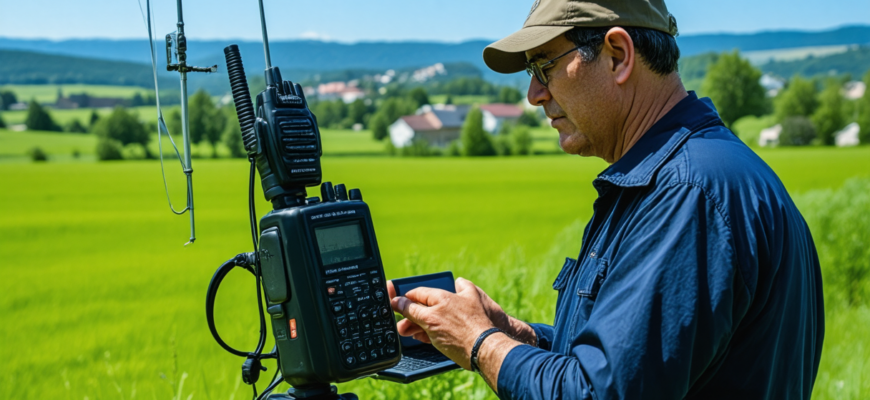
In the world of amateur radio, effective communication across vast distances often poses significant challenges. Traditional point-to-point communication methods may fall short in providing reliable and extended coverage, especially in challenging terrains or urban environments. This is where repeater networks come into play, offering a powerful solution to amplify signals and expand communication reach. This comprehensive guide will delve into the intricacies of using repeater networks, explaining how amateur radio operators can leverage these systems to enhance their signal coverage, improve reliability, and unlock new possibilities in their hobby.
- Understanding Repeater Networks in Amateur Radio
- What Is a Repeater?
- Why Use Repeater Networks?
- Components of a Repeater Network
- Repeater Station
- Linking Infrastructure
- Control and Object-Oriented Software
- Types of Repeater Networks
- Simplex vs. Duplex Systems
- Link-Connected Repeaters
- Reflectors and Web-Based Networks
- Advantages of Using Repeater Networks
- How to Set Up and Utilize Repeater Networks Effectively
- Step 1: Selecting the Right Repeater Network
- Step 2: Acquiring Appropriate Equipment
- Step 3: Programming Your Radio
- Step 4: Connecting to the Network
- Step 5: Operating Within the Network
- Optimizing Coverage with Repeater Networks
- Placement of Repeater Stations
- Linking Multiple Repeaters
- Utilizing Digital Modes and Trunking
- Security and Etiquette in Repeater Networks
- Authentication and Access Controls
- Maintaining Good Operating Practices
- Challenges and Limitations
- Future Trends in Repeater Networking
- Integration with Internet and Digital Technologies
- Improved Automation and Management
- Expanding Reach with Software-Defined Radio (SDR)
- Summary: Unlocking the Potential of Repeater Networks
Understanding Repeater Networks in Amateur Radio
What Is a Repeater?
A repeater is a device that receives signals on one frequency and automatically retransmits them on another frequency. By doing so, repeaters effectively extend the communication range, allowing signals to reach further than the distance between individual radios.
Why Use Repeater Networks?
Repeater networks connect multiple repeaters across a region, forming a web of coverage that enables amateur radio operators to maintain contact over long distances. These networks are especially valuable for:
- Covering large geographic areas such as cities, suburbs, and rural regions
- Ensuring reliable communication during public events or emergencies
- Connecting operators in remote locations
- Creating a sense of community among hams through shared communication channels
Components of a Repeater Network
Repeater Station
The core of any network, comprising hardware such as transceivers, antennas, duplexers, and controllers that manage the receive and transmit functions.
Linking Infrastructure
Hardware and infrastructure such as radio links, internet gateways, and RF repeaters that connect multiple repeaters into a cohesive network.
Control and Object-Oriented Software
Software systems that manage node connections, route calls, and maintain the overall integrity and security of the network.
Types of Repeater Networks
Simplex vs. Duplex Systems
While simplex systems operate on a single frequency, duplex systems utilize separate transmit and receive frequencies, enabling simultaneous communication.
Link-Connected Repeaters
Repeaters are interconnected via RF links or internet-based systems, forming a linked network that can span city-wide or even continent-wide coverage.
Reflectors and Web-Based Networks
Some amateur radio networks use internet-connected reflectors and web gateways to enable worldwide communication, transcending physical RF links.
Advantages of Using Repeater Networks
| Benefit | Description |
|---|---|
| Extended Coverage | Enables communication over distances significantly longer than simple radio links. |
| Improved Reliability | Multiple interconnected repeaters provide redundancy, reducing the risk of communication failure. |
| Better Signal Quality | Repeater stations often have higher power and better antennas, which improve signal strength and clarity. |
| Diverse Communication Options | Networks may include voice, digital modes, and data links, expanding the range of communication methods available. |
| Community Building | Allow hams across wide areas to connect easily, fostering collaboration and shared activities. |
How to Set Up and Utilize Repeater Networks Effectively
Step 1: Selecting the Right Repeater Network
Begin by researching available repeater networks in your region. Consider factors such as:
- Coverage area and network density
- Type of communication modes supported
- Accessibility and membership requirements
- Reliability and maintenance records
Step 2: Acquiring Appropriate Equipment
To connect to a repeater network, you’ll need:
- Transceiver: Capable of operating on the network’s designated frequencies.
- Antenna: Suitable for the frequency and environmental conditions.
- Controller and Interface Devices: Such as sound cards, digital interface units, or network gateways.
Step 3: Programming Your Radio
Configure your radio with the correct repeater frequencies, offsets, and tone codes (if applicable). Ensure that you set your radio to match the network’s specifications for access.
Step 4: Connecting to the Network
Once configured, you can initiate contact by tuning into the repeater’s input frequency, transmitting your call sign, and then listening for responses. Many networks also require authentication or authentication codes, which you should obtain from the network administrator.
Step 5: Operating Within the Network
Follow standard amateur radio etiquette: identify yourself clearly, maintain polite communication, and adhere to any specific rules set by the network to ensure smooth operation.
Optimizing Coverage with Repeater Networks
Placement of Repeater Stations
Effective placement of repeaters maximizes coverage and reduces dead zones. Key considerations include:
- Elevated Locations: Mounting antennas on tall structures, hills, or mountains improves line-of-sight and reduces obstructions.
- Urban Environments: Strategic placement on rooftops, towers, or high-rise buildings to overcome interference and obstacles.
- Remote and Rural Areas: Use of high-gain antennas and solar power sources where grid power is unavailable.
Linking Multiple Repeaters
Creating a network that links repeaters through RF or internet connections expands coverage. Factors to consider:
- Type of link (radio RF link, VoIP, internet gateway)
- Bandwidth and latency requirements
- Security measures to prevent unauthorized access
Utilizing Digital Modes and Trunking
Digital modes like DMR, D-STAR, Fusion, and P25 allow for efficient and clearer communication, especially over congested or long-distance links. Trunking systems dynamically allocate channels, increasing the efficiency and capacity of a network.
Security and Etiquette in Repeater Networks
Authentication and Access Controls
Use encryption, passwords, or registration systems to prevent misuse and unauthorized access.
Maintaining Good Operating Practices
- Always identify your station clearly according to FCC or national regulations.
- Keep transmissions brief and relevant, especially during high-traffic times.
- Avoid transmitting sensitive or confidential information.
- Respect other operators and adhere to the network’s operational guidelines.
Challenges and Limitations
While repeater networks significantly improve coverage, they are not without challenges:
- Maintenance and operational costs for repeater stations and auxiliary infrastructure.
- susceptibility to interference, especially in cluttered urban areas.
- Dependence on reliable power sources and network links.
- Need for coordination among operators to prevent frequency conflicts.
Future Trends in Repeater Networking
Integration with Internet and Digital Technologies
Modern amateur radio networks increasingly incorporate internet gateways, live streaming, and integration with digital platforms to facilitate worldwide connectivity.
Improved Automation and Management
Automated routing, real-time monitoring, and remote control systems enhance network resilience and accessibility for operators.
Expanding Reach with Software-Defined Radio (SDR)
SDR technology provides flexibility in frequency management, digital modes, and adaptive signal processing, making repeater networks more versatile and efficient.
Summary: Unlocking the Potential of Repeater Networks
Using repeater networks in amateur radio dramatically extends communication capabilities, allowing enthusiasts to connect across vast regions with clarity and reliability. Proper understanding, strategic placement, and adherence to best practices enable operators to harness the full potential of these systems. As technology advances, especially with digital modes and internet integration, the reach, resilience, and versatility of amateur radio repeater networks will only continue to grow, fostering a vibrant, connected community of hobbyists and emergency responders alike.
In summary, mastering the use of repeater networks is essential for any serious amateur radio operator seeking to maximize their communication range and reliability. By selecting appropriate equipment, understanding network configurations, and practicing responsible operation, enthusiasts can enjoy uninterrupted, high-quality transmissions across large areas. Whether for casual conversations, public service, or emergency communications, repeater networks stand as a cornerstone of the amateur radio hobby, offering endless opportunities for exploration, learning, and community engagement.
Похожие записи:
 Integrating Internet-Linked Repeater Systems with Traditional Ham Gear: A Comprehensive Guide
  Getting Started with Digital Modes like FT8 and PSK31: A Complete Guide for Amateur Radio Enthusiasts
  Wireless Hotspot and Networking Devices for Remote Stations: Enhancing Connectivity for Amateur Radio Enthusiasts
  Portable Spectrum Analyzers for Field Frequency Testing: A Complete Guide for Amateur Radio Enthusiasts
  Essential Tools for Cable and Connection Maintenance: A Complete Guide for Amateur Radio Enthusiasts
  Understanding Ham Radio Frequencies and Bands: A Comprehensive Guide for Amateur Radio Enthusiasts
  Developing Effective Emergency Preparedness Plans with Ham Radio: A Comprehensive Guide for Amateur Radio Enthusiasts
  Basic Antenna Types and Their Uses for Beginners: A Comprehensive Guide for Amateur Radio Enthusiasts
  Integrating Software-Defined Radio into Your Daily Operations: A Comprehensive Guide for Amateur Radio Enthusiasts
  How to Build a Simple Dipole Antenna at Home: A Comprehensive Guide for Amateur Radio Enthusiasts
  Latest Developments in Spectrum Licensing and Frequency Allocations: A Comprehensive Overview for Amateur Radio Enthusiasts
  Building a Simple, Low-Cost Antenna Tuner at Home: A Comprehensive Guide for Amateur Radio Enthusiasts
  Comprehensive Review of the Latest Mobile Radio Apps and Software for Amateur Enthusiasts
  The Future of Amateur Radio with Emerging Technologies
  Comprehensive Review of the Latest Transceiver Models on the Market: Innovations and Performance for Amateur Radio Enthusiasts
  Emergency Communication Protocols for Ham Radio Operators: The Latest Updates and Best Practices