Amateur radio, often called ham radio, is more than just a hobby—it’s a community that connects people across distances, fostering camaraderie, sharing adventures, and exchanging stories that rival the best eye-opening tales across any field of interest. One of the most memorable ways this vibrant community comes together is through festive gatherings such as community picnics, where stories are shared, friendships are forged, and the love for radio is celebrated in a lively, open-air atmosphere. In this comprehensive article, explore the fascinating world of radio stories at community picnics, discover what makes such gatherings special, and learn how they help strengthen the amateur radio family worldwide.
- Understanding Amateur Radio: The Basics
- What Is Amateur Radio?
- The Importance of Community in Amateur Radio
- The Role of Community Picnics in the Amateur Radio World
- What Is a Community Radio Picnic?
- Objectives and Significance
- Highlights of a Radio Community Picnic
- 1. Sharing Radio Stories: Tales from the Airwaves
- 2. Practical Demonstrations and Live Communications
- 3. Technical Workshops and Storytelling Panels
- 4. Competitions and Contests
- Popular Radio Stories Shared at Community Picnics
- Types of Stories:
- Sample Story: The Trans-Pacific Contact
- Technical Elements Behind the Stories
- Propagation Conditions and Their Impact
- Equipment and Modes of Communication
- Technical Formulas for Propagation
- Strengthening Community Bonds Through Storytelling
- Storytelling as a Bridge
- Creating a Legacy
- Organizing a Successful Community Radio Picnic
- Choosing the Location and Date
- Planning Activities
- Encouraging Participation
- The Heartbeat of Amateur Radio Communities
- Additional Resources
Understanding Amateur Radio: The Basics
What Is Amateur Radio?
Amateur radio is a popular hobby and service that allows licensed individuals to operate radio transmitters and receivers for personal, non-commercial purposes. It serves alongside emergency communication efforts, technical experimentation, and international goodwill. Amateur radio operators, often called hams, communicate via voice, Morse code, digital modes, and even satellite links, often exchanging iconic stories of adventure, technical innovation, and friendship.
The Importance of Community in Amateur Radio
The essence of amateur radio lies in community-building. Operators worldwide participate in events, contests, and social gatherings to share knowledge, experiences, and stories that inspire and educate. Community picnics act as both celebrations and educational platforms—offering opportunities to swap memorable radio stories, demonstrate new technologies, and teach newcomers about the hobby.
The Role of Community Picnics in the Amateur Radio World
What Is a Community Radio Picnic?
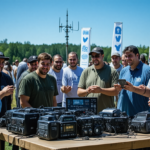
A community radio picnic is an informal event where amateur radio enthusiasts gather outdoors, often in parks or recreational areas, to socialize, operate their stations, and exchange stories. These picnics serve as fun, relaxed environments to enjoy the hobby, showcase equipment, conduct demonstrations, and narrate experiences spanning decades.
Objectives and Significance
- Fostering Fellowship: Bringing like-minded enthusiasts together, strengthening bonds, and encouraging mentorship.
- Sharing Stories and Experiences: Celebrating memorable contacts, technical challenges overcome, and unique encounters.
- Promoting Public Awareness: Demonstrating the hobby to newcomers and community members.
- Educational Opportunities: Conducting workshops, test sessions, and discussions about radio technology.
Highlights of a Radio Community Picnic
1. Sharing Radio Stories: Tales from the Airwaves
The core of any community picnic revolves around storytelling. Participants recount their adventures—from long-distance contacts with operators on the other side of the world to humorous mishaps with equipment. These stories often highlight the thrill of communication, technical ingenuity, or moments of emergency response. For many, these narratives form the backbone of their amateur radio journey.
2. Practical Demonstrations and Live Communications
Operators demonstrate their stations, showcase different modes such as CW (Morse code), digital voice, or satellite links. Live contacts with distant stations are often made, giving attendees a glimpse of radio’s global reach. Such demonstrations not only entertain but serve as teaching moments for newcomers.
3. Technical Workshops and Storytelling Panels
Experienced hams lead workshops on building antennas, troubleshooting equipment, or digital modes. Panel discussions often feature veterans sharing their most memorable contacts or stories behind treasured equipment, adding depth and personality to the community experience.
4. Competitions and Contests
Some picnics include friendly contests—such as who can make the most QSOs (contacts), or craft the best antenna design. Participants recount their most interesting contacts during these activities, sharing the behind-the-scenes stories of their radio endeavors.
Popular Radio Stories Shared at Community Picnics
Types of Stories:
- Misadventures and Technical Glitches: Humor-filled accounts of antennas falling, gear malfunctioning, or unexpected interference.
- Long-Distance Contacts (DXing): Stories of reaching remote parts of the world, sometimes involving elaborate setups or fortunate propagation conditions.
- Emergency Communications: Tales of how amateur radio responded during natural disasters or emergencies, demonstrating the hobby’s vital societal role.
- Adventure and Travel: Experiences of operating portable stations in remote locations or during special events.
- Historical Encounters: Nostalgic reflections on early days of radio, vintage equipment, or pioneering moments in their ham careers.
Sample Story: The Trans-Pacific Contact
One memorable story involves an operator who managed to establish a contact across the Pacific during a rare propagation event. He recounts the hours spent tuning, swapping signals, and the thrill when the station in Japan responded. This story exemplifies patience, technical skill, and the camaraderie that dominates amateur radio communication.
Technical Elements Behind the Stories
Propagation Conditions and Their Impact
The success of many radio stories hinges on radio wave propagation, which varies depending on sun activity, time of day, and season. Understanding these factors helps explain why some contacts are memorable and rare. For example, during solar maximum, signals can travel thousands of miles, facilitating stories of global connections.
Equipment and Modes of Communication
| Mode | Description | Typical Use |
|---|---|---|
| FM (Frequency Modulation) | Voice mode with high fidelity, used mainly for local communication | Repeaters, local nets |
| SSB (Single Side Band) | Efficient voice mode suitable for long-distance contacts | DXing, contesting |
| CW (Continuous Wave) | Morse code communication, requiring skill and precision | Contests, emergency signaling |
| Digital Modes | Data transmission using computers and specialized software (e.g., RTTY, FT8) | Efficient long-distance data exchange |
Technical Formulas for Propagation
The maximum distance ( D ) a radio wave can travel depends on the frequency ( f ), the height of the antenna ( h ), and ionospheric conditions, which can be simplified in the form:
D ≈ 3.57 × ( √h1 + √h2 )
where ( h_1 ) and ( h_2 ) are the heights of the transmitting and receiving antennas in meters. This formula demonstrates how antenna height influences the potential reach and thus the storytelling of successful long-distance contacts.
Strengthening Community Bonds Through Storytelling
Storytelling as a Bridge
Sharing stories creates a powerful bond among amateur radio enthusiasts. It transforms technical challenges into memorable episodes, making the hobby more accessible and engaging for newcomers. When veterans recount their first DX contact or a heroically handled emergency, they inspire others to pursue their own radio adventures.
Creating a Legacy
Each story shared at a picnic becomes part of the collective memory of the community. These narratives are preserved through photographs, recordings, and written accounts, inspiring future generations to continue the tradition of storytelling through amateur radio.
Organizing a Successful Community Radio Picnic
Choosing the Location and Date
Optimal venues include parks with open spaces conducive to outdoor antennas. Considerations include accessibility, facilities, and local regulations. The event date often coincides with weekends or national amateur radio celebrations.
Planning Activities
- Set up radio stations for live contacts
- Prepare storytelling sessions
- Organize technical workshops
- Arrange demonstrations of equipment and modes
- Invite guest speakers or veteran operators
Encouraging Participation
Promotion through local radio clubs, social media, and community boards increases attendance. Offering incentives like awards for best stories or equipment displays fosters enthusiasm and sharing.
The Heartbeat of Amateur Radio Communities
Community picnics filled with radio stories exemplify the enduring spirit of amateur radio—an intricate tapestry woven from technical mastery, personal adventures, and shared aspirations. These gatherings energize the hobby, inspire newcomers to explore the airwaves, and uphold the tradition of storytelling that keeps the community vibrant. Whether it’s a humorous account of a misadventure or a triumphant long-distance contact, each story contributes to the ongoing legacy of amateur radio—a testament to human curiosity, ingenuity, and the power of connection across borders and oceans.
Additional Resources
- American Radio Relay League (ARRL)
- Ham Radio QSL Sites and Forums
- Official Ham Radio Events Calendar
Engaging in community picnics and sharing radio stories reinforce the bonds that make amateur radio a lifelong passion. These gatherings are not just about antennas and frequencies—they’re about the stories that connect us all, transcending language, borders, and backgrounds to reflect the true spirit of global friendship through communication.
Похожие записи:
 Celebrating a Milestone with My Radio Club: A Journey of Achievement and Community Spirit
  Commemorating a Personal Radio Milestone: Celebrating Your Achievements in Amateur Radio
  Celebrating a Septuagenarian’s First HF Contact: A Joyous Milestone in Amateur Radio
  How a Lost Radio Helped Reconnect a Community: The Power of Amateur Radio
  Maximizing Ham Radio Community Engagement Through Social Media
  Unforgettable QSO with a Celebrity Radio Operator: A Deep Dive into Memorable Ham Radio Experiences
  How to Mentor New Ham Radio Operators and Expand the Community
  Celebrating the Club Station Anniversary: A Special Event with Unique Sounds and Exciting Activities
  Exclusive Awards and Recognitions for the Annual Digital Communications Contest: Celebrating Excellence in Amateur Radio
  The Joy of Handing Down My Radio Equipment to a New Ham Special Event Station Celebrates Local Heritage Announced: A Unique Opportunity for Amateur Radio Enthusiasts Unforgettable Field Day Adventures: A Comprehensive Guide for Radio Enthusiasts
  Memories of a Radio Swap Meet Day: A Nostalgic Journey into the World of Ham Radio
  Legendary Operators Who Inspired Me: The Unsung Heroes of Amateur Radio
  Sharing My Experience at a National Ham Convention: Insights, Tips, and Highlights Funny Antenna Mishaps and How We Fixed Them: Amateur Radio Insights