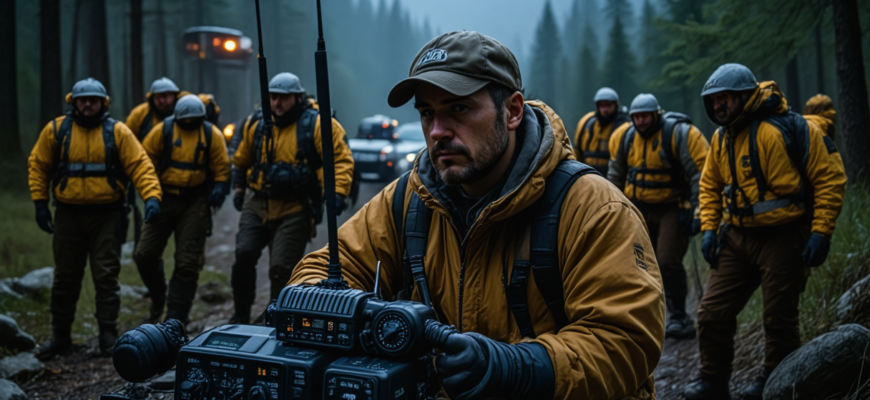
Participating in search and rescue (SAR) operations is often considered the pinnacle of community service for amateur radio enthusiasts. These events showcase the vital role that skilled operators and reliable communication systems play in saving lives. The following account provides an in-depth look into the day I was called upon to assist in a real-life SAR operation, highlighting the technical preparations, coordination efforts, and emotional experiences involved. Whether you are an amateur radio enthusiast or simply interested in emergency services, this detailed narrative aims to shed light on how volunteer radio operators can make a significant difference in critical situations.
- Understanding the Role of Amateur Radio in Search and Rescue
- What is Search and Rescue (SAR)?
- The Contribution of Amateur Radio Operators
- Preparations for a Search and Rescue Mission
- Essential Equipment
- Training and Coordination
- The Day of the Operation: From Alert to Action
- Receiving the Call for Assistance
- Mobilization and Deployment
- Establishing Communication Networks
- Setting Up Portable Stations
- Testing and Confirming Links
- Active Search and Coordination
- Tracking and Relaying Information
- Utilizing Technology During the Search
- Overcoming Challenges During the Search
- Terrain and Weather Obstacles
- Communication Interference
- Maintaining Composure and Clarity
- Successful Resolution and Reflection
- Finding the Missing Hiker
- The Role of Amateur Radio in Saving Lives
- Technical Analysis of the Operation
- Communication Systems Used
- Formulas for Signal Range Estimation
- Lessons Learned and Best Practices
- Preparation is Key
- Effective Communication Protocols
- Community Engagement
- The Impact of Amateur Radio in Life-Saving Operations
- Additional Resources
Understanding the Role of Amateur Radio in Search and Rescue
What is Search and Rescue (SAR)?
Search and Rescue operations involve locating and providing aid to people who are missing, injured, or in peril, often in remote or inaccessible terrains. These missions are critical and demand rapid response, effective communication, and coordinated teamwork among various agencies, including local authorities, emergency services, and volunteers.
The Contribution of Amateur Radio Operators
Amateur radio operators (also known as hams) are uniquely positioned to support SAR efforts due to their technical skills, portable equipment, and flexible communication capabilities. During emergencies, conventional communication networks may fail or become overloaded. In such cases, amateur radio stations often serve as a vital backup, relaying information between teams, tracking search progress, and coordinating logistics.
Preparations for a Search and Rescue Mission
Essential Equipment
- Portable transceivers: High-power handheld and mobile radios capable of operating on various bands (HF, VHF, UHF).
- Antennas: Portable and directional antennas suited for different terrains.
- Power sources: Batteries, solar panels, or generators for reliable power supply.
- Navigation tools: GPS devices and topographical maps.
- Survival gear: First aid kits, food, water, and appropriate clothing for outdoor conditions.
Training and Coordination
Prior to deployment, amateur radio operators undergo specialized training in emergency communication protocols, message handling, and coordination with rescue teams. Many operate within formal organizations such as the Radio Amateur Civil Emergency Service (RACES) or local emergency communication groups.
The Day of the Operation: From Alert to Action
Receiving the Call for Assistance
It was an early morning when the emergency coordination center dispatched a message requesting volunteer radio support for a missing hiker in a dense forested area. The weather was clear, but the terrain was challenging—steep slopes, thick foliage, and unpredictable weather patterns made the search arduous.
Mobilization and Deployment
Within minutes, operators mobilized the equipment and headed to designated staging points. As part of a team, I packed essential gear and traveled to the assigned search sector. The team included rescue personnel, drone operators, and fellow radio volunteers, all working collaboratively to maximize coverage and efficiency.
Establishing Communication Networks
Setting Up Portable Stations
Upon arrival, the first task was to set up portable radio stations, ensuring stable links between the search teams, command center, and aerial units. We deployed directional antennas to extend our range and minimize interference, establishing a network that could function in challenging outdoor conditions.
Testing and Confirming Links
Rigorous testing involved sending test messages, verifying signal strength, and confirming clear reception at different points across the search area. This rigorous check ensured that communication would remain reliable during active operations.
Active Search and Coordination
Tracking and Relaying Information
The primary role of amateur radio during SAR is to facilitate real-time communication. This includes:
- Relaying updates from rescue teams on the ground about search progress and obstacles encountered.
- Receiving reports from drone operators circling the area, providing aerial imagery and movement tracking.
- Coordinating transportation logistics and resource deployment.
- Maintaining a continuous, clear channel for emergency messages and urgent calls.
Utilizing Technology During the Search
Advanced radio features played a significant role, such as:
- Digital modes: Sending text messages and images efficiently over radio frequencies.
- Repeater systems: Extending communication range by relaying signals through intermediate stations.
- Frequency management: Allocating specific channels for different search zones to prevent congestion.
Overcoming Challenges During the Search
Terrain and Weather Obstacles
The dense forests obstructed signals, requiring us to reposition antennas frequently. Sudden weather changes, such as a light rain, also impacted equipment performance. Quick adaptations, including using higher-gain antennas and switching frequencies, proved critical.
Communication Interference
External interference from natural sources or nearby electronics occasionally disrupted signals. Employing narrowband filters and switching to less congested frequencies mitigated these issues.
Maintaining Composure and Clarity
In high-stress situations, clear and concise communication became vital. We adhered strictly to emergency communication protocols, ensuring messages were well-structured and unambiguous.
Successful Resolution and Reflection
Finding the Missing Hiker
After several hours of continuous search, a team located the hiker injured but conscious. The rapid relay of position coordinates and situation reports enabled timely medical assistance and safe extraction.
The Role of Amateur Radio in Saving Lives
This operation exemplified how amateur radio can bridge gaps in emergency communication, especially in remote or disaster-stricken areas. Our collective effort ensured information flowed seamlessly under challenging conditions, directly contributing to a successful rescue.
Technical Analysis of the Operation
Communication Systems Used
| System | Description | Advantages |
|---|---|---|
| Analog VHF/UHF Radio | Standard portable transceivers operating on typical emergency frequencies. | Reliable, straightforward, and widely supported. |
| Digital Modes (D-STAR, System Fusion) | Sending digital data streams, including text and images. | More efficient use of spectrum, clearer voice quality. |
| Packet Radio | Sending digital data in small packets using the AX.25 protocol. | Suitable for relaying GPS coordinates, sending detailed reports. |
| Repeater Networks | Stations that retransmit signals to extend coverage. | Essential in broad or obstructed terrains. |
Formulas for Signal Range Estimation
The effective communication range (R) can be roughly estimated using the following formula:
R = √(h1 × h2) × K
Where:
- h1 = Height of transmitting antenna (meters).
- h2 = Height of receiving antenna (meters).
- K = Environment factor (typically between 3 to 10, depending on terrain and obstructions).
This formula illustrates why elevating antennas improves communication distance, especially in challenging terrains.
Lessons Learned and Best Practices
Preparation is Key
Thorough planning, equipment checks, and knowledge of the terrain are vital. Familiarity with local geography and radio protocols saves precious time in emergencies.
Effective Communication Protocols
Using standardized message formats and maintaining calmness enhances clarity. Training regularly improves response times and decision-making under stress.
Community Engagement
Building a network of trained volunteers ensures broader coverage and operational redundancy. Participation in local emergency preparedness drills strengthens overall response capabilities.
The Impact of Amateur Radio in Life-Saving Operations
The experience of assisting in a search and rescue operation underscores the invaluable contribution of amateur radio operators in emergency scenarios. Beyond the technical skills, it emphasizes community service, teamwork, and the importance of preparedness. For enthusiasts, it is a reminder of the profound impact that dedicated, skilled individuals can have in moments of crisis. As technology advances, the role of amateur radio in SAR operations continues to evolve, but the core values of reliability, readiness, and service remain unchanged.
Additional Resources
- ARRL Emergency Communications Resources
- RACES Program Information
- Amateur Radio Emergency Service (ARES)
- Wikipedia: Search and Rescue
Participation in SAR activities not only enriches the skills of amateur radio operators but also significantly benefits local communities. The day I took part in this operation reaffirmed the vital importance of communication, teamwork, and preparedness in lifesaving efforts.
Похожие записи:
 New Regulations Affecting Amateur Radio Licensing and Operation: What You Need to Know
  How a Lost Radio Helped Reconnect a Community: The Power of Amateur Radio
  Rugged Radios for Adventurers and Fieldwork: The Ultimate Guide to Reliable Communication
  Developing Effective Emergency Preparedness Plans with Ham Radio: A Comprehensive Guide for Amateur Radio Enthusiasts
  Emergency Communication Protocols for Ham Radio Operators: The Latest Updates and Best Practices
  Beginner’s Guide to Operating Portable Ham Radio at Events: Mastering Communication for Event Support
  Legendary Operators Who Inspired Me: The Unsung Heroes of Amateur Radio
  Using APRS for Real-Time Location Tracking and Messaging
  How a Simple Antenna Repair Sparked a Long-lasting Friendship – An Amateur Radio Journey
  Memories from a Challenging QRP Expedition: Lessons, Triumphs, and Insights
  Mastering Your Amateur Radio Setup: Essential Guidelines for Field Day and Emergency Drills
  Mastering Emergency Operations: Essential Tips for Responsible Amateur Radio Communication
  Wireless Hotspot and Networking Devices for Remote Stations: Enhancing Connectivity for Amateur Radio Enthusiasts
  Ultimate Guide: How to Stay Safe While Operating Outdoors with Amateur Radio
  The Future of Amateur Radio with Emerging Technologies
  Comprehensive Review of the Latest Mobile Radio Apps and Software for Amateur Enthusiasts