Amateur radio, also known as ham radio, is a fascinating hobby that combines technical skills, communication expertise, and a sense of community. Whether you’re a novice just starting or an experienced operator aiming to optimize your setup, having the right tools is crucial for effective and enjoyable operation. This comprehensive guide explores the essential tools every amateur radio enthusiast should possess, offering insights into their functions, importance, and practical applications. Dive into the world of ham radio with confidence, equipped with the knowledge needed to succeed and thrive.
- Introduction to Amateur Radio Tools
- Core Communication Devices
- 1. Transceivers
- 2. Antennas
- Measurement and Testing Instruments
- 3. SWR Meter (Standing Wave Ratio Meter)
- 4. Multimeter
- 5. Signal Analyzers and Spectrum Analyzers
- Maintenance and Repair Tools
- 6. Soldering Kit
- 7. Screwdrivers and Wrenches
- 8. Wire Cutters and Strippers
- 9. RF Connectors and Adapter Kits
- Safety Equipment
- 10. Grounding Kits
- 11. RF Safety Meters
- 12. Fire Extinguisher and First Aid Kit
- Additional Essential Tools and Accessories
- 13. Headphones and Microphones
- 14. Computer and Software
- 15. Power Supplies and Batteries
- Recommended Tools and Their Specifications
- Integrating Tools into a Functional Station
- Final Tips for Amateur Radio Enthusiasts
- References and Further Reading
Introduction to Amateur Radio Tools
Amateur radio involves a variety of tasks, from setting up and maintaining equipment to troubleshooting and experimenting with new technologies. The right tools not only facilitate smooth operation but also ensure safety, improve signal quality, and prolong the lifespan of radio hardware. This guide categorizes essential tools into several key groups, including communication devices, measurement instruments, maintenance tools, safety equipment, and accessories.
Core Communication Devices
1. Transceivers
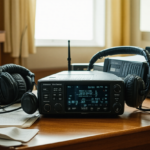
The centerpiece of any amateur radio station is the transceiver — a device that transmits and receives radio signals. Modern transceivers come with a range of features, from basic analog models to sophisticated digital units capable of bridging multiple bands and modes.
- Types: HF, VHF, UHF, all-band, and specified mode transceivers.
- Features to consider: Power output, selectivity, sensitivity, built-in filters, and connectivity options.
2. Antennas
Antennas are vital for effective signal transmission and reception. Choosing the right antenna depends on your operating frequency, location, and available space.
- Types include: Dipole, vertical, Yagi, whip, discone, and loop antennas.
- Tools for installation: Antenna analyzers, grounding kits, and mounting hardware enhance performance.
Measurement and Testing Instruments
3. SWR Meter (Standing Wave Ratio Meter)
The SWR meter helps measure the efficiency of your antenna system by indicating how well the antenna matches the transmitter’s frequency. A low SWR value indicates most power is transmitted effectively without reflection.
| SWR Value | Efficiency |
|---|---|
| 1.0 – 1.5 | Excellent |
| 1.5 – 2.0 | Good |
| 2.0 – 3.0 | Acceptable, but check for problems |
| > 3.0 | Adjust the antenna or feed line |
4. Multimeter
A multimeter is crucial for electrical diagnostics, checking continuity, voltage, resistance, and current in your setup.
- Features to look for: Digital display, auto-ranging, True RMS capability.
5. Signal Analyzers and Spectrum Analyzers
These instruments allow detailed analysis of the RF spectrum, identifying interference, spurious signals, and signal strength across frequencies.
- Usage: Tuning antennas, troubleshooting interference, and optimizing transmitter settings.
Maintenance and Repair Tools
6. Soldering Kit
Perfect for repairing or constructing circuit boards and connections. A high-quality soldering iron with adjustable temperature control is recommended.
7. Screwdrivers and Wrenches
Essential for assembling, disassembling, and adjusting station components. Insulated tools are preferred for safety.
8. Wire Cutters and Strippers
Necessary for preparing cables and connections, ensuring clean and efficient electrical contact.
9. RF Connectors and Adapter Kits
Facilitate connecting different types of cables and components reliably.
Safety Equipment
10. Grounding Kits
Proper grounding prevents electrical surges and protects equipment from static and lightning strikes. Use grounding rods, straps, and grounding plates effectively.
11. RF Safety Meters
Measure exposure levels to RF radiation to ensure safe operation, especially when operating at high power levels.
12. Fire Extinguisher and First Aid Kit
Standard safety measures include having fire extinguishers suitable for electrical fires and a well-stocked first aid kit nearby.
Additional Essential Tools and Accessories
13. Headphones and Microphones
High-quality audio equipment enhances communication clarity during long QSOs and contests. Noise-canceling headphones are recommended for noisy environments.
14. Computer and Software
Modern amateur radio often involves digital modes and logging software. A reliable computer with appropriate software can significantly enhance operational capabilities.
15. Power Supplies and Batteries
Stable and clean power supplies ensure steady operation. Backup batteries or portable power banks are essential for field operations.
Recommended Tools and Their Specifications
| Tool | Key Specifications | Importance |
|---|---|---|
| Multimeter | Auto-ranging, True RMS, digital display | Electrical diagnostics and testing |
| Soldering Iron | Adjustable temperature, ergonomic handle | Radio circuit repairs and building |
| SWR Meter | Wide frequency range, easy calibration | Optimizing antenna performance |
| RF Connectors | Standardized interfaces like SO-239, BNC, SMA | Reliable cable connections |
| Grounding Kit | Multiple grounding rods, straps, clamps | Safety and equipment protection |
Integrating Tools into a Functional Station
Creating an efficient amateur radio station involves selecting and organizing tools appropriately. Here are some tips:
- Categorize tools by function — measurement, repair, safety, and operation.
- Maintain an organized workspace with designated storage for each tool type.
- Regularly calibrate and test tools to ensure accuracy and safety.
- Invest in quality tools to reduce downtime and improve reliability.
- Update your toolkit as your skills and station expand.
Having the right set of tools is essential for every amateur radio operator aiming for effective operation, safety, and ongoing technical development. From fundamental devices like transceivers and antennas to measurement instruments like SWR meters and multimeters, each tool plays a pivotal role in maintaining and optimizing the station. Additionally, safety equipment and proper accessories ensure a secure and pleasant experience. Investing in quality tools and understanding their applications paves the way for successful and enjoyable ham radio activities, whether in the shack or in the field.
Final Tips for Amateur Radio Enthusiasts
- Stay updated: Technology advances rapidly; keep your tools and knowledge current.
- Network with other operators: Sharing tools and expertise can enhance your station’s capabilities.
- Document your setup: Maintain logs of your tools, configurations, and troubleshooting procedures for future reference.
- Prioritize safety: Always adhere to safety protocols, especially concerning RF exposure and electrical hazards.
- Enjoy the hobby: Remember that a well-equipped station is a gateway to endless learning and communication opportunities.
References and Further Reading
- ARRL (American Radio Relay League) — Expert resources on ham radio tools and techniques.
- Ham Radio Online — Articles, reviews, and tutorials for amateur radio enthusiasts.
- RF World — In-depth guides and product reviews on RF equipment.
Empowering amateur radio operators with the right tools fosters smarter, safer, and more enjoyable communication. Equip yourself wisely, and take your ham radio experience to the next level!
Похожие записи:
 Essential Tools for Cable and Connection Maintenance: A Complete Guide for Amateur Radio Enthusiasts
  Mastering Your Amateur Radio Setup: Essential Guidelines for Field Day and Emergency Drills
  Essential Accessories for Your Ham Radio Station: Maximize Performance and Enjoyment Mastering the Art of Radio Listening and Monitoring: Essential Tips for Amateur Radio Enthusiasts
  How to Use Repeater Networks for Better Coverage: A Complete Guide for Amateur Radio Enthusiasts
  Getting Started with Digital Modes like FT8 and PSK31: A Complete Guide for Amateur Radio Enthusiasts Using APRS for Real-Time Tracking and Messaging: A Complete Guide for Amateur Radio Enthusiasts
  Portable Spectrum Analyzers for Field Frequency Testing: A Complete Guide for Amateur Radio Enthusiasts How to Safely Install and Mount Outdoor Antennas: A Comprehensive Guide for Amateur Radio Enthusiasts
  Mastering Emergency Operations: Essential Tips for Responsible Amateur Radio Communication
  The Day I Assisted in a Search and Rescue Operation: An Amateur Radio Operator’s Perspective Essential Digital Signal Processing Tips for Beginners in Amateur Radio Unlocking the Future: How AI Tools Revolutionize Ham Radio Troubleshooting
  Ultimate Guide: Tips for Setting Up Your Home Radio Station
  How to Choose Your First Amateur Radio Transceiver: Essential Tips for Beginners Essential Tips for Keeping Your Amateur Radio License Valid and Up to Date