The upcoming Fall QSO Party has generated considerable excitement among amateur radio enthusiasts worldwide. This annual event not only offers an excellent opportunity for operators to showcase their skills and equipment but also serves as a platform for fostering camaraderie within the amateur radio community. Recently, the contest organizers announced a comprehensive update to the rules governing this year’s event. To ensure participants are well-prepared, this article thoroughly examines all the key changes, providing clarity on how they impact your participation, strategies, and station operations.
- Understanding the Significance of the Fall QSO Party
- Overview of the New Contest Rules
- Key Changes to the Contest Rules
- 1. Contest Dates and Duration
- 2. Allowed Bands and Modes
- 3. Station Identification and Exchange Requirements
- 4. Scoring System and Multipliers
- ### New Scoring Formula:
- 5. Special Awards and Categories
- 6. Safety and Legal Considerations
- Safety Tip:
- Impact of the Rule Changes on Participants
- Enhanced Accessibility and Inclusivity
- Better Engagement and Fair Competition
- Focus on Responsibility and Safety
- Tips for Preparing for the Fall QSO Party
- 1. Review the Updated Rules
- 2. Optimize Your Station Setup
- 3. Plan Your Operating Strategy
- 4. Practice Digital Modes and Exchanges
- 5. Emphasize Safety and Compliance
- Additional Resources
Understanding the Significance of the Fall QSO Party
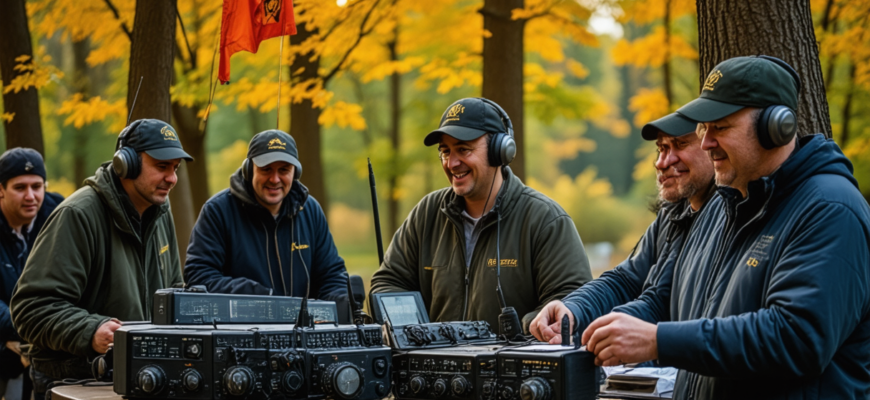
The Fall QSO (communications) Party is a popular amateur radio contest that typically takes place during the autumn months. It encourages operators to establish as many contacts as possible across various modes and frequency bands within a specified time frame. Unlike some more competitive contests, the Fall QSO Party emphasizes community engagement, skill development, and promoting the hobby’s friendly spirit. Participants usually operate from home stations, mobile setups, or portable locations, making it a versatile and accessible event.
Overview of the New Contest Rules
In anticipation of this year’s Fall QSO Party, the contest committee has issued a set of updated rules aimed at promoting safety, fairness, and inclusivity. These rules cover everything from operational procedures and scoring to station identification and band/mode restrictions. Below is a detailed breakdown of the most critical modifications:
Key Changes to the Contest Rules
1. Contest Dates and Duration
The Fall QSO Party will run from October 14th at 1800 UTC through October 15th at 2359 UTC. Participants are encouraged to plan their activity periods accordingly, ensuring they maximize their operation within this window. A notable change is the extension of operating hours compared to previous years, allowing for more flexible participation.
2. Allowed Bands and Modes
| Band | Modes Allowed |
|---|---|
| 160 meters | CW, SSB, digital modes (e.g., FT8, JS8) |
| 80 meters | CW, SSB, digital modes |
| 40 meters | CW, SSB, digital modes |
| 20 meters | All modes |
| 15 meters | All modes |
| 10 meters | All modes |
One of the updates involves an expanded allowance of digital modes across all bands, reflecting the growing popularity of these modes among operators. Notably, digital modes such as FT8, JS8, and WSJT-X are encouraged for their efficiency and ease of use in challenging propagation conditions.
3. Station Identification and Exchange Requirements
Participants must clearly identify their station callsign at least once every 10 minutes during transmission. For contact exchanges, the following information must be exchanged:
- Participants’ callsigns.
- State, province, or country.
- Sponsor’s designated contest serial number.
To improve clarity and uniformity, the rules now specify the use of modern digital calling procedures, including mandatory exchange formats for digital modes. This promotes better interoperability between operators using diverse modes and equipment setups.
4. Scoring System and Multipliers
The contest scoring has undergone a significant revision to better reward participation across different bands and modes. The new formula for calculating points per contact is:
### New Scoring Formula:
Total Score = Sum of (Points per contact × Multipliers)
Where:
- Points per contact depend on the band and mode. For example, contacts on HF bands (160m, 80m, 40m) using CW or digital modes are worth 2 points, whereas SSB contacts are worth 1 point.
- Multipliers are awarded for each unique state, province, or country worked.
A new multiplier system has been introduced: working a station on at least three different bands grants an additional “Band-Hopper” bonus, increasing overall score potential.
5. Special Awards and Categories
The rules now include new award categories aimed at encouraging wider participation:
- First-time Operator Award for newcomers who make their first contest contact.
- Mobile and Portable Operator Categories to promote portable and mobile station operation.
- Technical Innovation Award for stations utilizing innovative equipment or digital modes in creative ways.
- Team Participation Award for groups operating together from multiple locations.
6. Safety and Legal Considerations
The updated rules emphasize the importance of operating safely and legally, especially when participating in mobile or portable categories. Operators are required to adhere to all relevant local laws concerning radio operation, licensing, and safety protocols. Additionally, there is a specific restriction against operating from restricted, private, or prohibited areas, to promote responsible operating practices.
Safety Tip:
- Ensure mobile operations are conducted with secure mounting and proper electrical setups.
- Avoid operating near emergency or restricted zones.
Impact of the Rule Changes on Participants
Enhanced Accessibility and Inclusivity
The expansion to digital modes and flexible operating hours helps lower the barrier to entry for new operators and those with limited equipment. Encouraging portable and mobile participation further broadens the scope, inviting more diverse involvement within the amateur radio community.
Better Engagement and Fair Competition
The revised scoring system and new awards categories promote healthy competition while acknowledging different types of operation. Participants are motivated to operate across multiple bands and modes, enhancing skill development and station versatility.
Focus on Responsibility and Safety
With clear safety guidelines and legal compliance emphasized, the rules aim to foster a culture of responsible operation. This is especially crucial for mobile and portable operators working in varying environments.
Tips for Preparing for the Fall QSO Party
1. Review the Updated Rules
Familiarize yourself with all contest rules, scoring procedures, and exchange formats detailed on the official contest website. Pay particular attention to new scoring formulas and multipliers to maximize your points.
2. Optimize Your Station Setup
- Ensure your antenna system is tuned and compliant with safety standards.
- Configure digital mode software for seamless operation.
- Verify your callsign and exchange information are correctly programmed into your logging software.
3. Plan Your Operating Strategy
- Identify preferred bands and modes based on expected propagation conditions.
- Coordinate with team members if participating in team or multi-operator categories.
- Schedule operation periods to cover different times of the contest for maximum exposure.
4. Practice Digital Modes and Exchanges
If utilizing digital modes, test your digital setup beforehand. Practice exchange procedures to ensure accurate and efficient logging of callsigns and location data.
5. Emphasize Safety and Compliance
Ensure all operations adhere to local regulations, especially when operating mobile or in portable locations. Have necessary permits or licenses ready and follow safety practices at all times.
The recent updates to the Fall QSO Party rules reflect the evolving nature of amateur radio. By expanding allowed modes, introducing new scoring methods, and emphasizing safety, organizers aim to create an engaging, inclusive, and responsible event. Whether a seasoned operator or a newcomer, understanding these changes is vital to making the most of the contest experience. Participants are encouraged to prepare thoroughly, embrace the spirit of friendly competition, and enjoy the thrill of connecting with fellow enthusiasts across the globe during this exciting autumn event.
Additional Resources
- Official Contest Rules and Details
- Guide to Digital Modes in Amateur Radio
- ARRL – American Radio Relay League
Participating in the Fall QSO Party not only deepens your understanding of radio operations but also strengthens the bonds within the amateur radio community. Stay informed, operate responsibly, and most importantly, enjoy the contacts!
Похожие записи:
 Join the Virtual Contest Workshops This Weekend: Your Ultimate Guide for Amateur Radio Enthusiasts
  Official Announcement for the International QRP Sprint: Everything You Need to Know
  The Day I Helped Set Up a Remote Station for a Contest
  How to Mentor New Ham Radio Operators and Expand the Community
  Effective Tips for Organizing Successful Ham Radio Contests: A Comprehensive Guide
  Emergency Communication Protocols for Ham Radio Operators: The Latest Updates and Best Practices
  Top-Rated HF Transceivers for Experienced Operators: The Ultimate Guide
  Legendary Operators Who Inspired Me: The Unsung Heroes of Amateur Radio
  Amateur Radio Emergency Services Drill Scheduled for Next Month: Preparing for Critical Communication Readiness
  Unlocking the Power of Connection: The Benefits of Joining Amateur Radio Contesting Communities
  New Dxpedition Dates for the Summer Announced: What Amateur Radio Enthusiasts Need to Know
  Celebrating a Milestone with My Radio Club: A Journey of Achievement and Community Spirit
  The Inspiring Journey of Dedication and Victory: Achieving the KD9 Award in Amateur Radio
  Comprehensive Review of the Latest Mobile Radio Apps and Software for Amateur Enthusiasts
  Mastering Digital Voice Conferences: How to Participate Effectively in the Modern Amateur Radio Era
  New Regulations Affecting Amateur Radio Licensing and Operation: What You Need to Know