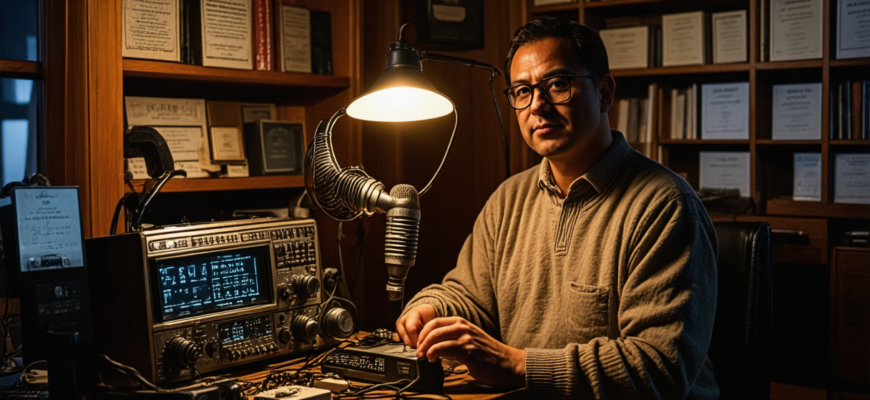
In the world of amateur radio, achieving recognition comes through relentless effort, technical proficiency, and a passion for communication. One of the most prestigious milestones for dedicated operators is earning the coveted KD9 award—an accolade that signifies exceptional commitment and skill within the amateur radio community. This article delves into the compelling story of persistence, strategy, and triumph on the path to earning the KD9 award, providing inspiring lessons for newcomers and seasoned enthusiasts alike.
- Understanding the KD9 Award: What It Represents
- History and Significance
- The Criteria for Earning the KD9 Award
- The Journey: From Novice to KD9 Achiever
- Initial Foundations and Learning the Ropes
- Building Experience and Technical Skills
- Engaging in Contesting and Special Events
- Strategic Approach to Achieving the KD9 Award
- Planning and Goal Setting
- Optimizing Equipment and Conditions
- Leveraging Digital Tools and Software
- Overcoming Challenges: The Role of Persistence
- Dealing with Propagation and Competition
- Maintaining Motivation and Consistency
- Learning from Failures and Mistakes
- Case Study: The Path to KD9 – An Operator’s Perspective
- Year 1: Laying the Groundwork
- Year 2: Intensification and Skill Enhancement
- Year 3: Strategic Focus and Award Achievement
- Metrics and Calculations for Success
- Contact Rate Calculation
- Propagation Probability Analysis
- The Power of Dedication in Amateur Radio
- Additional Resources for Aspiring KD9 Achievers
- Final Thoughts
Understanding the KD9 Award: What It Represents
History and Significance
The KD9 award is a recognition granted by certain national and international amateur radio institutions, often associated with specific contests, special event stations, or long-term activity achievements. Named after the “KD” prefix, which historically denotes a particular location or organization in amateur radio call signs, the KD9 award symbolizes extraordinary dedication, technical expertise, and active participation.
Typically, earning such an award involves meeting strict criteria, such as logging a set number of contacts within a specified timeframe, demonstrating proficiency in operating procedures, and engaging in diverse communication modes.
The Criteria for Earning the KD9 Award
| Criterion | Description |
|---|---|
| Total Number of Contacts | Minimum of 500 confirmed QSOs with stations bearing the KD9 prefix or participating stations during specific events. |
| Operational Modes | Participation in various modes, including CW, SSB, Digital, and Satellite. |
| Log Accuracy | Maintaining precise logs with verified contacts and minimal errors. |
| Contest Participation | Active engagement in qualifying contests that contribute toward the award. |
| Duration of Activity | Consistent operation over a defined period, often spanning several months or years. |
The Journey: From Novice to KD9 Achiever
Initial Foundations and Learning the Ropes
For any aspiring amateur radio operator, the journey begins with acquiring basic knowledge of radio technology, understanding licensing procedures, and learning operating conventions. Early experiments often involve simple contacts on local repeaters or the 2-meter band, gradually expanding to nationwide communications.
During this initial phase, operators focus on mastering equipment, understanding propagation characteristics, and developing effective communication skills. These foundational steps are crucial, as they set the stage for more complex pursuits like contesting and long-term award programs.
Building Experience and Technical Skills
Progressing toward achieving the KD9 award involves expanding operational scope and improving technical proficiency. Operators often participate in workshops, join amateur radio clubs, and engage with online communities to exchange knowledge.
Key skills developed during this stage include:
- Antennas design and setup
- Optimal station configuration
- Understanding radio propagation and scheduling contacts for optimal conditions
- Logging and verification of contacts with software tools
Engaging in Contesting and Special Events
Active participation in contests is pivotal for accumulating the required contacts and demonstrating operating competence. Many operators dedicate specific weekends or days to contest activities, often working in teams or solo to maximize their contact count.
Special event stations, often activated for celebrations or anniversaries, also contribute significantly. These operations attract stations worldwide, increasing the chances of making contacts with KD9 stations and thereby boosting the chances of earning the award.
Strategic Approach to Achieving the KD9 Award
Planning and Goal Setting
Achieving a KD9 award is a marathon, not a sprint. Successful operators plan their activities meticulously, setting realistic goals and timelines. Strategies include:
- Comprehensive log-keeping and tracking progress
- Scheduling regular activity sessions
- Identifying priority contacts and contest opportunities
- Prioritizing modes and bands with higher propagation potential
Optimizing Equipment and Conditions
Reliable equipment plays a crucial role. This includes:
- High-quality transceivers and antennas
- Effective power supplies and filtering systems
- Operating in bands with favorable propagation conditions
Operators also look for optimal times for radio propagation, such as sunrise, sunset, and geomagnetic activity periods, to maximize contact opportunities.
Leveraging Digital Tools and Software
Modern operators utilize logging software, propagation prediction tools, and online databases to streamline their efforts. Examples include:
- Logbook programs (e.g., Log4OM, N1MM)
- Propagation prediction websites (e.g., VOACAP)
- Contest planning platforms
Overcoming Challenges: The Role of Persistence
Dealing with Propagation and Competition
Radio propagation is inherently unpredictable. Operators often face periods of poor band conditions, requiring patience, strategic timing, and sometimes, wait-and-see attitude. Overcoming frustration and maintaining motivation during these times is vital.
Maintaining Motivation and Consistency
Long-term goals like the KD9 award demand consistency. Many successful operators set smaller, achievable milestones (e.g., monthly contact goals) and celebrate each success to stay motivated.
Learning from Failures and Mistakes
Every operator faces missed contacts, logging errors, or technical failures. Viewing these setbacks as learning opportunities fosters resilience and improves future performance.
Case Study: The Path to KD9 – An Operator’s Perspective
A hypothetical case illustrates the typical journey:
Year 1: Laying the Groundwork
- Obtained initial license and basic equipment
- Participated in local and national contests
- Logged about 200 verified contacts with KD9 stations
Year 2: Intensification and Skill Enhancement
- Upgraded antennas and station gear
- Joined regional radio clubs and took part in DX-peditions
- Completed 300 contacts in various modes and bands
Year 3: Strategic Focus and Award Achievement
- Focused on contest participation to meet contact criteria
- Ensured consistent logging and verification of contacts
- Successfully achieved the KD9 award after surpassing required thresholds
Metrics and Calculations for Success
Achieving the KD9 award often involves tracking quantitative metrics. Here are some formulas and techniques commonly used:
Contact Rate Calculation
To monitor progress, operators use the contact rate:
Contact Rate = (Number of Verified Contacts) / (Time Spent Operating in Hours)
Maximizing this rate involves strategic operation during high-propagation periods and contest windows.
Propagation Probability Analysis
Estimating the chances of successful contacts involves understanding propagation models. For example:
- Using VOACAP to predict HF band availability based on solar activity
- Analyzing historical data to identify optimal times for contact
The Power of Dedication in Amateur Radio
The story of achieving the KD9 award embodies perseverance, strategic planning, technical proficiency, and a true passion for the art of radio communication. Each stage of the journey teaches valuable lessons—patience during propagation challenges, resilience in the face of setbacks, and continuous learning to improve skills.
For amateur radio enthusiasts, this achievement serves as a testament that persistence can turn dreams into reality. Whether starting out or striving for the next milestone, the relentless pursuit of excellence and the love of radio communication remain at the heart of every success story in this vibrant community.
Additional Resources for Aspiring KD9 Achievers
- Official amateur radio licensing and regulations (FCC, IARU, etc.)
- Contest and special event station directories
- Educational platforms and online forums for technical support
- Propagation prediction software tutorials
Final Thoughts
Embarking on the path to earning the KD9 award requires dedication, strategic planning, and unwavering persistence. It is an inspiring journey that not only deepens technical knowledge but also fosters a profound appreciation for the global nature of amateur radio. With consistent effort and love for the craft, every operator can write their own success story, culminating in the achievement of prestigious recognitions like the KD9 award.
Похожие записи:
 Celebrating a Milestone with My Radio Club: A Journey of Achievement and Community Spirit
  Sharing the Story of My First Satellite Contact: An Amateur Radio Journey
  Building My First Transceiver and the Challenges Faced: An Amateur Radio Enthusiast’s Journey
  Memories of a Radio Swap Meet Day: A Nostalgic Journey into the World of Ham Radio
  How a Simple Antenna Repair Sparked a Long-lasting Friendship – An Amateur Radio Journey
  Reflecting on My First Homebrew Radio Project: A Journey into Amateur Radio
  The Time My Portable Station Surprised Everyone: A Spectacular Moment in Amateur Radio
  Memories from a Challenging QRP Expedition: Lessons, Triumphs, and Insights
  Mastering DXing: Expert Tips for Contacting Rare Amateur Radio Stations
  Experiencing the Magic of a Sporadic E Opening – An Amateur Radio Enthusiast’s Guide
  Using Software to Enhance Your Amateur Radio Experience: Unlocking New Possibilities
  Effective Tips for Organizing Successful Ham Radio Contests: A Comprehensive Guide
  Lessons Learned from a Tough QSL Card Exchange: Enhancing Your Ham Radio Operations
  The Day I Helped Set Up a Remote Station for a Contest
  Effective Propagation Analysis Techniques Throughout the Year: Maximizing Ham Radio Performance
  Understanding Ham Radio Frequencies and Bands: A Comprehensive Guide for Amateur Radio Enthusiasts