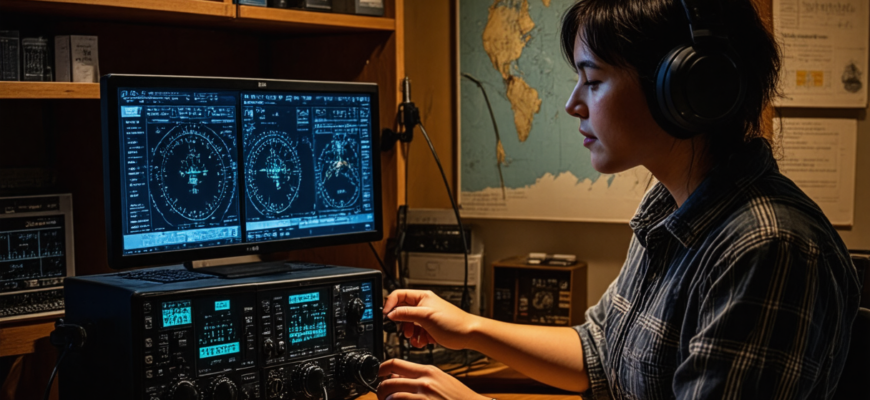
Amateur radio, also known as ham radio, has long been a passion for countless enthusiasts around the world. Its appeal lies in the blend of technological challenge, community service, and global communication. In recent years, the advent of digital platforms has made learning about ham radio more accessible than ever before. For those eager to deepen their understanding or start their journey in amateur radio, participating in an online lecture series offers an excellent opportunity to gain knowledge, connect with experts, and enhance practical skills. This comprehensive guide explores the upcoming online ham radio lecture series, why participation is beneficial, and how to make the most of this educational experience.
- What Is an Online Ham Radio Lecture Series?
- Reasons to Join the Upcoming Series
- 1. Expert-Led Content
- 2. Structured Learning Path
- 3. Flexibility and Convenience
- 4. Networking Opportunities
- 5. Preparation for Licensing Exams
- Key Topics Covered in the Series
- 1. Basic Radio Theory and Principles
- 2. Licensing and Regulation
- 3. Equipment and Antennas
- 4. Operating Modes and Procedures
- 5. Digital Communications and Software
- 6. Emergency Communications and Public Service
- 7. Antenna Design and Construction
- How to Prepare for the Online Series
- Technical Requirements for Participation
- Maximizing Your Learning Experience
- Key Benefits of Participating in an Online Ham Radio Lecture Series
- Upcoming Series: How and When to Register
- Cost and Certification
- Post-Lecture Opportunities and Continued Learning
What Is an Online Ham Radio Lecture Series?
An online ham radio lecture series is a structured sequence of educational webinars, workshops, and presentations conducted via the internet. These sessions are designed to cater to a wide audience, from complete beginners to seasoned operators. They typically cover a broad range of topics, including radio theory, licensing requirements, equipment setup, operating procedures, digital modes, antennas, and emergency communication protocols.
Unlike traditional classroom settings, online series provide the flexibility of participating from anywhere, often including recordings for later review. They are led by experienced amateur radio operators, technical experts, and industry professionals committed to sharing their knowledge and fostering a vibrant community of learners.
Reasons to Join the Upcoming Series
1. Expert-Led Content
One of the primary advantages of participating in an online lecture series is access to renowned experts who bring real-world experience and deep technical knowledge. Participants gain insights that go beyond textbooks, learning practical tips and troubleshooting techniques directly from seasoned operators.
2. Structured Learning Path
The series typically follows a logical progression—from fundamentals to advanced topics—making it suitable for learners at various skill levels. This systematic approach helps build a solid foundation and facilitates gradual mastery of complex concepts.
3. Flexibility and Convenience
Online formats allow attendees to participate from home or any location, eliminating travel time and costs. Many series also offer recordings, enabling learners to revisit complex topics at their own pace, accommodating different schedules and learning paces.
4. Networking Opportunities
Although virtual, these series foster community engagement by connecting like-minded individuals. Participants can interact via chat, forums, and Q&A sessions, building friendships and professional networks that can support further growth in amateur radio pursuits.
5. Preparation for Licensing Exams
Many lecture series explicitly prepare students for licensing exams—such as the US FCC, UK Foundation, or other national certifications—by covering relevant regulations, technical knowledge, and practical operating procedures.
Key Topics Covered in the Series
An effective online ham radio lecture series addresses broad thematic categories to ensure comprehensive learning:
1. Basic Radio Theory and Principles
- Understanding radio waves and propagation
- Frequency spectrum and bands used by amateurs
- Modulation types and signal transmission
2. Licensing and Regulation
- Licensing requirements and procedures
- Operating privileges and restrictions
- International regulations and agreements
3. Equipment and Antennas
| Equipment Component | Description |
|---|---|
| Transceiver | Device that both transmits and receives radio signals |
| Antenna | Transmits and receives radio waves; types include dipole, ground-plane, Yagi, and vertical |
| Power Supply | Provides stable electrical power to the radio setup |
| HF, VHF, UHF Components | Different frequency ranges used for various modes and applications |
Understanding how to select and assemble equipment is essential for effective operation.
4. Operating Modes and Procedures
- Voice (AM, FM, SSB)
- Digital Modes (FT8, PSK31, RTTY)
- Morse Code (CW)
5. Digital Communications and Software
- Setting up digital mode interfaces
- Introduction to popular software tools such as WSJT-X, Logger32
- Encoding and decoding digital signals
6. Emergency Communications and Public Service
- Role of amateur radio in disaster response
- Setting up emergency stations
- Protocols and best practices for safety and reliability
7. Antenna Design and Construction
- Basic principles of antenna radiation patterns
- DIY antenna projects
- Tuning and testing methods
How to Prepare for the Online Series
To maximize learning, prospective participants should:
- Ensure a reliable internet connection
- Set up a quiet, comfortable space for participation
- Gather necessary equipment or study materials beforehand
- Review basic concepts of radio communication if new to the field
- Register early to secure a spot and access preparatory materials
Technical Requirements for Participation
Most online lecture series utilize popular virtual platforms like Zoom, Webex, or Microsoft Teams. Typical requirements include:
- A computer or tablet with internet access
- Audio output (speakers or headphones)
- Webcam (optional but useful for interactive sessions)
- Microphone for asking questions or participating in discussions
Participants should also familiarize themselves with the platform’s interface before the start date.
Maximizing Your Learning Experience
Effective engagement during the series can dramatically improve outcomes. Consider the following tips:
- Take notes during webinars
- Prepare questions in advance
- Participate actively in Q&A sessions and discussions
- Review recorded sessions after the live event for reinforcement
- Connect with instructors and fellow participants through social media or forums
Key Benefits of Participating in an Online Ham Radio Lecture Series
| Benefit | Description |
|---|---|
| Accessibility | Participate from any location, regardless of geographic constraints |
| Cost-Effectiveness | Reduces travel and accommodation expenses |
| Comprehensive Content | Wide range of topics covered systematically |
| Flexibility | Learn at your own pace with recorded sessions |
| Community Building | Connect with global amateur radio enthusiasts |
Upcoming Series: How and When to Register
The schedule for upcoming online ham radio lecture series varies depending on the organizing entity. Typically, registration opens several weeks before the session begins. Interested individuals should:
- Visit official websites of amateur radio clubs, organizations like the ARRL, or educational platforms
- Subscribe to newsletters for updates and announcements
- Check social media groups dedicated to amateur radio for instant news
Early registration often offers benefits such as discounted fees, access to pre-course materials, and priority in limited-seat classes.
Cost and Certification
Most online series are offered free of charge or for a nominal fee, especially when organized by non-profit groups. Some advanced courses aiming to prepare students for licensing exams may include certification upon completion. Certification signifies that the participant has attained a certain level of knowledge, which is often a prerequisite for taking official licensing exams.
Common certifications include:
- Technician Class (FCC in the US)
- Foundation License (UK)
- VLF/UVLF License (varies by country)
Post-Lecture Opportunities and Continued Learning
Joining an online lecture series is just the beginning. Here are ways to continue developing skills and knowledge:
- Participate in local ham radio clubs and hobby groups
- Attend in-person or virtual contests and field days
- Engage in digital modes and satellite operations
- Contribute to emergency communication efforts
- Take advanced courses and certification programs
Continuous learning helps stay updated with technological advancements and evolving regulations, enriching your amateur radio experience.
Participating in an upcoming online ham radio lecture series is an invaluable opportunity for beginners and experienced operators alike. It offers structured, expert-guided education that empowers individuals to operate confidently, abide by regulations, and contribute meaningfully to the amateur radio community. As the digital age continues to connect people worldwide, engaging in such educational programs ensures enthusiasts stay at the forefront of technological and operational developments, enabling them to enjoy all the facets of amateur radio—communication, experimentation, public service, and global camaraderie.
Seize the chance to expand your knowledge, hone your skills, and join a vibrant global community. Register early, prepare diligently, and prepare to embark on an exciting journey into the world of ham radio.
Похожие записи:
 Join the Virtual Contest Workshops This Weekend: Your Ultimate Guide for Amateur Radio Enthusiasts
  Amateur Radio Emergency Services Drill Scheduled for Next Month: Preparing for Critical Communication Readiness
  Effective Tips for Organizing Successful Ham Radio Contests: A Comprehensive Guide
  Top Choices for Budget-Friendly Amateur Radio Equipment: A Comprehensive Guide for Hobbyists
  Understanding Ham Radio Frequencies and Bands: A Comprehensive Guide for Amateur Radio Enthusiasts
  Harnessing Your Smartphone as a Radio Control and Logging Device: A Comprehensive Guide for Amateur Radio Enthusiasts
  New Contest Rules Published for the Fall QSO Party: What Ham Radio Operators Need to Know
  How to Build Your Own Homemade QRP Transceiver: A Comprehensive Guide for Amateur Radio Enthusiasts
  Mastering Regulatory Changes: A Comprehensive Guide for Amateur Radio Enthusiasts
  Building a Simple, Low-Cost Antenna Tuner at Home: A Comprehensive Guide for Amateur Radio Enthusiasts
  Developing Effective Emergency Preparedness Plans with Ham Radio: A Comprehensive Guide for Amateur Radio Enthusiasts
  New Dxpedition Dates for the Summer Announced: What Amateur Radio Enthusiasts Need to Know
  Mastering Your Amateur Radio Antenna: Comprehensive Guide to Tuning and Testing
  Integrating Internet-Linked Repeater Systems with Traditional Ham Gear: A Comprehensive Guide
  How to Build a Simple Dipole Antenna at Home: A Comprehensive Guide for Amateur Radio Enthusiasts
  Official Announcement for the International QRP Sprint: Everything You Need to Know