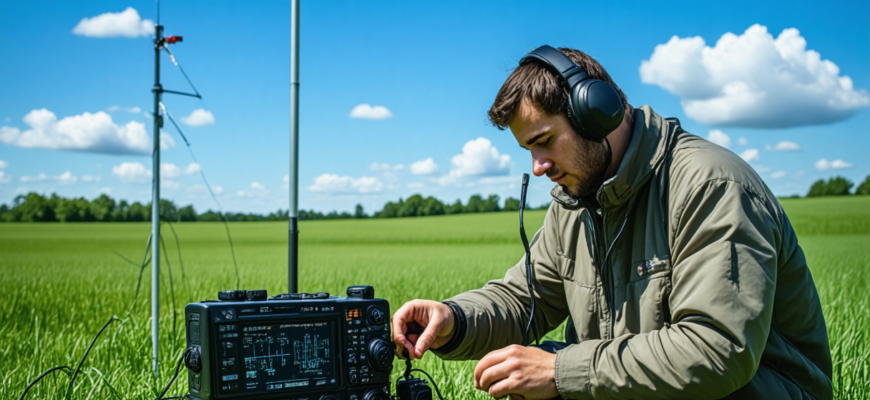
The 10-meter amateur radio band has long been a favorite among both novice and seasoned operators. Its unique characteristics, propagation conditions, and exciting contest opportunities make it a vital part of any ham radio enthusiast’s calendar. Preparing for an upcoming 10-meter contest requires serious planning, technical readiness, and strategic operation to maximize your success and enjoyment. This comprehensive guide will walk you through everything you need to know to get prepared for the next big event on the 10-meter band.
- Understanding the 10 Meter Band: A Brief Overview
- What Is the 10 Meter Band?
- Propagation Characteristics
- Preparing Your Station for the 10 Meter Contest
- Essential Equipment and Technical Setup
- Choosing the Right Antennas
- Conducting Equipment Checks
- Maximizing Contest Strategy and Logging
- Developing a Multi-Phase Operating Plan
- Typical Operating Strategies
- Logging and Record Keeping
- Understanding Contest Rules and Scoring
- The Importance of Rule Familiarization
- Typical Contest Scoring System
- Sample Scoring Formula
- Monitoring Solar and Propagation Data
- Using Solar Data to Time Your Operations
- Optimizing Timing for Peak Activity
- Preparing Mentally and Physically for the Contest
- Pre-Contest Planning
- During the Contest
- Post-Contest Analysis and Reflection
- Reviewing Your Logs
- Sharing Your Experience
- Make the Most of the Upcoming 10 Meter Contest
- Remember:
Understanding the 10 Meter Band: A Brief Overview
What Is the 10 Meter Band?
The 10-meter band occupies the frequency range from 28.000 MHz to 29.700 MHz, offering a wide spectrum for voice, CW (Morse code), digital modes, and contests. The band is renowned for its beautiful long-distance (DX) propagation during solar maximum periods but can also support reliable contacts over shorter distances during more quiet ionospheric conditions.
Propagation Characteristics
Propagation on 10 meters largely depends on the sun’s activity cycle, ionospheric conditions, and time of day. During peaks of the solar cycle, high sunspot activity causes enhanced ionospheric ionization, allowing for world-wide communication. Conversely, during solar minimum, signals tend to be more localized.
| Propagation Mode | Best Time | Conditions |
|---|---|---|
| Skywave (DX) | Daytime & Solar Max | High sunspot activity, solar flares increasing ionization |
| Tropospheric & Sporadic E | Summer months & sporadic E season | Short-range, enhanced VHF/VHF+ propagation |
| Leakage & Groundwaves | Nighttime & Solar Minimum | Localized signaling, less expansive coverage |
Preparing Your Station for the 10 Meter Contest
Essential Equipment and Technical Setup
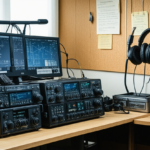
Effective participation in a 10-meter contest hinges on a well-prepared station. The core components include:
- Transmitter & Receiver: High-quality transceiver capable of operating in the 10-meter band, with good filtering and audio quality.
- Antennas: Directional antennas like Yagis or horizontal dipoles tuned specifically for 10 meters optimize gain and directivity.
- Power Supply: Stable, clean power source to ensure consistent transmission quality.
- Rotators & Positioning: For directional antennas, rotators enable precise aiming at DX stations.
- Logging & Operation Software: Reliable logging software and contest-specific tools help maximize efficiency and ensure accurate record-keeping.
Choosing the Right Antennas
Antennas are the backbone of effective contest operation. When prepping for the upcoming contest, consider the following types:
- Yagi Antennas: Offer high gain and directivity, ideal for targeting specific areas or weak signals.
- Dipoles & Vertical Dipoles: Simpler to set up and effective for general coverage.
- Inverted V & Tilted Arrays: Suitable for limited space yet capable of providing good radiation patterns.
Proper tuning and positioning are crucial. Use antenna analyzers to accurately match impedance and ensure maximum power transfer.
Conducting Equipment Checks
Before the contest, test all equipment thoroughly. Ensure:
- The antenna system is correctly tuned and mechanically secure.
- All cables are intact, with connectors tightly fitted.
- The transceiver is calibrated, and filters are set appropriately.
- Backup power solutions (battery, generator) are operational.
- Logging software is configured and tested.
Maximizing Contest Strategy and Logging
Developing a Multi-Phase Operating Plan
Effective contest operation often involves phases such as initial search-and-pounce, running stations, and QRX (listening for new contacts). Planning your strategy helps optimize your time and station effectiveness.
Typical Operating Strategies
- Search and Pounce: Actively seeking new stations and making quick contacts. Useful during periods of low cycle activity or band openings.
- Running: Focusing on contacting stations calling CQ. Maximizes QSO count when signals are strong and stable.
- Hybrid Mode: Balancing both approaches, switching as needed based on propagation and activity levels.
Logging and Record Keeping
Accurate logging is essential not only for contest submission but also for future reference and analysis. Use digital logging software that supports contest modes, such as N1MM+, Logger32, or similar. Maintain clear records of frequencies, call signs, times, and modes for each QSO.
Understanding Contest Rules and Scoring
The Importance of Rule Familiarization
Each contest has specific rules related to band use, operating procedures, scoring, and exchange formats. Understanding these rules prevents disqualifications and helps maximize your score.
Typical Contest Scoring System
Most 10-meter contests are based on:
- Number of QSOs (contacts)
- QSO points, often correlating with the distance – longer-distance contacts earn more points
- Multiplier factors, such as unique stations, geographic zones, or zones specified by the contest rules
Sample Scoring Formula
Total Score = (Total QSOs) × (Multiplier) × (Distance Factor)
Where:
- Distance Factor: Usually based on the distance between the stations, sometimes weighted by country or zone.
- Multiplier: Number of unique stations or zones contacted.
Monitoring Solar and Propagation Data
Using Solar Data to Time Your Operations
Since the 10-meter band heavily depends on solar activity, monitoring real-time space weather data is crucial. Websites like:
- NOAA Space Weather Prediction Center
- SolarHam.com
- DXHeat
provide alerts and reports on sunspot numbers, solar flux, geomagnetic indices, and coronagraph images. This data helps predict favorable propagation windows.
Optimizing Timing for Peak Activity
Seek to operate during peak daytime hours when ionospheric conditions are optimal. During high solar activity, band openings can sometimes extend overnight, but early afternoon often provides the best DX prospects.
Preparing Mentally and Physically for the Contest
Pre-Contest Planning
- Set clear goals (e.g., number of contacts, geographic coverage)
- Ensure your station environment is comfortable and free of interruptions
- Prepare foods and hydration to maintain energy levels during long operating periods
- Establish a sleep schedule prior to the contest to prevent fatigue
During the Contest
Stay focused, keep track of your progress, and adapt to changing conditions. Take short breaks if possible, and remain patient during low-activity periods.
Post-Contest Analysis and Reflection
Reviewing Your Logs
After the contest, analyze your logs to evaluate performance, identify missed opportunities, and plan improvements for future events.
Sharing Your Experience
Engaging with the amateur radio community by sharing logs, experiences, and photos can provide valuable feedback and enhance camaraderie among operators.
Make the Most of the Upcoming 10 Meter Contest
The 10-meter contest offers a thrilling opportunity to test your skills, expand your station’s capabilities, and connect with radio amateurs around the world. Proper preparation—both technical and strategic—can significantly impact your performance and enjoyment. Keep abreast of current solar and ionospheric conditions, refine your station setup, plan your operating strategy, and participate enthusiastically to make the most of this exciting event.
Remember:
- Stay informed about the contest rules and scoring guidelines.
- Ensure your station is in optimal condition well before the contest day.
- Use real-time propagation data to maximize your chances.
- Enjoy the process and the unique opportunities the 10-meter band provides.
Good luck, and happy operating on the 10-meter band!
Похожие записи:
 Join the Virtual Contest Workshops This Weekend: Your Ultimate Guide for Amateur Radio Enthusiasts
  Exciting New Local Contest Series Launching Next Month for Amateur Radio Enthusiasts
  New Contest Rules Published for the Fall QSO Party: What Ham Radio Operators Need to Know
  Understanding Ham Radio Frequencies and Bands: A Comprehensive Guide for Amateur Radio Enthusiasts
  New Contest Logging Software Launch Event Scheduled: The Future of Amateur Radio Competition Management
  Join the Upcoming Online Ham Radio Lecture Series: Your Comprehensive Guide to Amateur Radio Mastery
  Exclusive Awards and Recognitions for the Annual Digital Communications Contest: Celebrating Excellence in Amateur Radio
  Portable Antenna Analyzers for Precise Tuning: The Ultimate Guide for Amateur Radio Enthusiasts
  Exclusive Preview of the Upcoming Ham Radio Magazine Special Edition
  Top Microphone and Speaker Combos for Clear Audio: The Ultimate Guide for Amateur Radio Enthusiasts
  New Dxpedition Dates for the Summer Announced: What Amateur Radio Enthusiasts Need to Know
  Mastering Multiple Frequency Programming: The Ultimate Guide for Amateur Radio Enthusiasts
  Ultimate Guide: Tips for Setting Up Your Home Radio Station
  Top Weather-Resistant Microphones for Outdoor Use: The Ultimate Guide for Amateur Radio Enthusiasts
  Exciting News: Complete Results of the Recent SSB Fun Run Announced
  Ultimate Guide to Staying Organized with Your Radio Accessories: Tips for Amateur Radio Enthusiasts