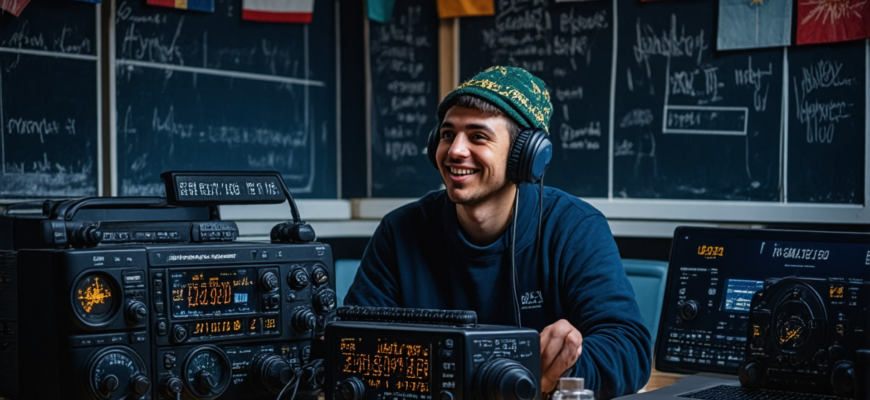
The amateur radio community is buzzing with anticipation as a unique and festive event is set to take place in the coming week. This special radio operation, themed around welcoming the New Year, promises to bring radio enthusiasts from around the world together in celebration, camaraderie, and the pursuit of new contacts. In this comprehensive guide, delve into all aspects of this remarkable event—its history, significance, how to participate, and what makes it a must-attend occasion for amateur radio operators.
- The Significance of Special Radio Events in Amateur Radio
- Historical Background of Special Events
- Looking Forward: The New Year Special Radio Event
- Event Details and Schedule
- Objectives of the Event
- How to Participate in the New Year Special Radio Event
- Preparing Your Station
- Operational Tips for Participants
- Post-Event: QSLing and Documentation
- Modes and Frequencies: Maximizing Your Experience
- Understanding Operating Modes
- Recommended Frequencies and Operating Practices
- Special Features and Unique Aspects of the Event
- Custom QSL Cards and Digital Badges
- Online Contest Platforms and Real-Time Logs
- Involving Non-licensed Hobbyists
- Benefits of Participating in the New Year Radio Event
- Additional Resources and Links
The Significance of Special Radio Events in Amateur Radio
Special radio events serve as pivotal moments in the amateur radio calendar, fostering connection across borders and celebrating various occasions, themes, or anniversaries. They are characterized by unique station identifiers, custom QSL cards, and sometimes special frequencies or modes. These gatherings not only promote camaraderie but also provide opportunities for skill development, contesting, and global outreach.
Historical Background of Special Events
Historically, amateur radio operators have used special event stations to commemorate milestones such as:
- Anniversaries of radio clubs or organizations
- National or international holidays
- Major world events and anniversaries
- New advances in radio technology
Such events contribute to the rich tradition of amateur radio, emphasizing its role as a tool for worldwide communication and community building.
Looking Forward: The New Year Special Radio Event
Event Details and Schedule
The upcoming special radio event is scheduled for the week starting January 1, 2024. It aims to mark the beginning of the New Year with a global celebration, inviting amateur radio stations worldwide to participate. The event will span from January 1 to January 7, inclusive, providing ample opportunity for operational activity across various time zones.
| Parameter | Details |
|---|---|
| Date | January 1 – January 7, 2024 |
| Time Zone | All time zones |
| Frequencies | All amateur bands (including HF, VHF, UHF) |
| Modes of Operation | CW, SSB, Digital Modes (FT8, PSK31, RTTY, etc.) |
| Special Prefix | Station-specific prefix “NYR” (New Year Radio) |
Objectives of the Event
- Celebrate the arrival of the New Year with worldwide contact exchanges.
- Promote international goodwill and friendship among amateur radio operators.
- Encourage newcomers to participate and learn the nuances of radio operation.
- Create unique QSL cards for collectors and enthusiasts.
How to Participate in the New Year Special Radio Event
Preparing Your Station
Participation in such a global event requires some preparation to optimize success and enjoyment. Here are essential steps:
- Verify Equipment: Make sure your radio equipment, antennas, and power supplies are functioning correctly.
- Choose Modes and Frequencies: Select modes compatible with your station and monitor the recommended frequency bands.
- Set Up Logging Software: Use digital logging tools or paper logs to keep track of contacts.
- Apply for Special Call Signs: If your license allows, request the special callsign associated with the event, such as stations with “NYR” prefix.
- Review Rules: Familiarize yourself with event rules and requirements for logging contacts and QSLing.
Operational Tips for Participants
- Identify Your Station: Use the special prefix and provide your location and signal report during each contact.
- Communicate Clearly: Ensure clarity in your transmissions, especially during high-traffic periods.
- Maximize Contacts: Try to contact stations from different countries to diversify your coverage.
- Respect Fair Play: Follow all operating guidelines and avoid interference.
- Capture Your Contacts: Save logs and take screenshots if digital logging is used for contest proof or QSL verification.
Post-Event: QSLing and Documentation
After the event concludes, participants are encouraged to confirm contacts via QSL cards or electronic confirmation services like Logbook of The World (LoTW). Many stations produce special QSL cards commemorating the event, which adds to your amateur radio collectibles.
Modes and Frequencies: Maximizing Your Experience
Understanding Operating Modes
The event embraces a variety of modes to accommodate amateurs with different equipment and preferences:
| Mode | Description | Optimal Bands |
|---|---|---|
| CW (Morse Code) | Classic mode, efficient for low power and long-distance communication. | 160m to 10m bands |
| SSB (Single Sideband) | Voice mode, the most common in amateur radio. | 80m to 10m bands |
| Digital Modes | Includes FT8, PSK31, RTTY, and others for digital exchanges. | 160m to 2m bands |
Recommended Frequencies and Operating Practices
To facilitate smooth communication, it is advisable to monitor designated calling frequencies, such as:
- 20m: 14.070 MHz (digital modes), 14.200 MHz (USB voice)
- 40m: 7.070 MHz (CW), 7.150 MHz (SSB)
- 15m: 21.070 MHz (digital), 21.200 MHz (SSB)
Always listen before transmitting, follow proper etiquette, and be courteous to other operators during peak hours.
Special Features and Unique Aspects of the Event
Custom QSL Cards and Digital Badges
Many organizers print distinctive QSL cards or offer digital badges that display upon successful contact, serving as memorabilia and proof of participation. These often feature New Year motifs such as fireworks, clocks striking midnight, or festive symbols.
Online Contest Platforms and Real-Time Logs
Participants can track their claimed contacts, verify spotlights, and share logs via dedicated event websites or social media pages, fostering community interaction.
Involving Non-licensed Hobbyists
Some organizations host workshops or online webinars teaching new enthusiasts about radio operation during the event period, expanding the amateur radio family.
Benefits of Participating in the New Year Radio Event
- Global Networking: Connect with operators from dozens of countries, strengthening international friendships.
- Skill Enhancement: Practice operating, logging, and troubleshooting equipment under festive conditions.
- Event Collecting: Obtain unique QSL cards and digital memorabilia.
- Community Building: Be part of a worldwide celebration that fosters unity among radio amateurs.
- Recognition and Awards: Some contests or events offer certificates or awards for impressive participation or unique accomplishments.
The upcoming New Year special radio event offers a fantastic opportunity for amateur radio enthusiasts to ring in the new year with a toast to global friendship and technical skill. With its broad mode and frequency options, flexible schedule, and festive spirit, the event guarantees enjoyment for newcomers and seasoned operators alike. Preparing adequately, observing operating protocols, and engaging with the community will ensure a memorable experience that celebrates the best traditions of amateur radio. Don’t miss this chance to make history, create connections, and start the year on a high note—happy frequencies and clear skies in the New Year!
Additional Resources and Links
- ARRL Official Website
- Logbook of The World (LoTW)
- QRZ.com – Ham Radio Call Sign Database
- QSL Card Collectors’ Community
- Russian Radio Communications Authority
Stay tuned to local amateur radio clubs, online forums, and social media groups for updates about the event and tips on participation. Wishing all operators a successful and joyful New Year’s celebration on the airwaves!
Похожие записи:
 Celebrating the Club Station Anniversary: A Special Event with Unique Sounds and Exciting Activities
  Effective Propagation Analysis Techniques Throughout the Year: Maximizing Ham Radio Performance
  Exciting News: Complete Results of the Recent SSB Fun Run Announced
  Celebrate with Us at the Annual Radio Club Anniversary Event
  Get Ready for the Upcoming 10 Meter Contest: The Ultimate Guide for Amateur Radio Enthusiasts
  Exciting Announcement: International Field Day Location and Details Unveiled
  Exciting New Local Contest Series Launching Next Month for Amateur Radio Enthusiasts
  Exclusive Preview of the Upcoming Ham Radio Magazine Special Edition
  New Contest Logging Software Launch Event Scheduled: The Future of Amateur Radio Competition Management
  The Joy of Making Contact During a Rare Propagation Event
  Join the Upcoming Online Ham Radio Lecture Series: Your Comprehensive Guide to Amateur Radio Mastery
  Beginner’s Guide to Operating Portable Ham Radio at Events: Mastering Communication for Event Support
  Official Announcement for the International QRP Sprint: Everything You Need to Know
  Reserve Your Spot for the November Radio Symposium: The Ultimate Guide to Amateur Radio Events
  New Dxpedition Dates for the Summer Announced: What Amateur Radio Enthusiasts Need to Know
  New Contest Rules Published for the Fall QSO Party: What Ham Radio Operators Need to Know